
Why Aphid Control for Indoor Plants Can’t Wait
Aphid control indoor plants is something every houseplant owner will face sooner or later. These tiny sap-suckers are one of the most common — and most frustrating — pests you’ll find on your houseplants.
Here’s a quick overview of how to get rid of them:
- Isolate the infested plant immediately, at least 2 meters from other plants
- Blast aphids off with a strong stream of water
- Spray with insecticidal soap (1 tsp mild liquid soap per liter of water), focusing on leaf undersides
- Apply neem oil every few days as a follow-up treatment
- Repeat treatments every 3-4 days for 2-3 weeks to break the life cycle
- Monitor regularly and inspect new plants before adding them to your collection
The problem is easy to miss at first. You might notice your plant looking a little dull, or feel a sticky residue on the leaves. By the time you spot the actual insects — tiny, pear-shaped bugs clustering on new growth — the infestation may already be well underway.
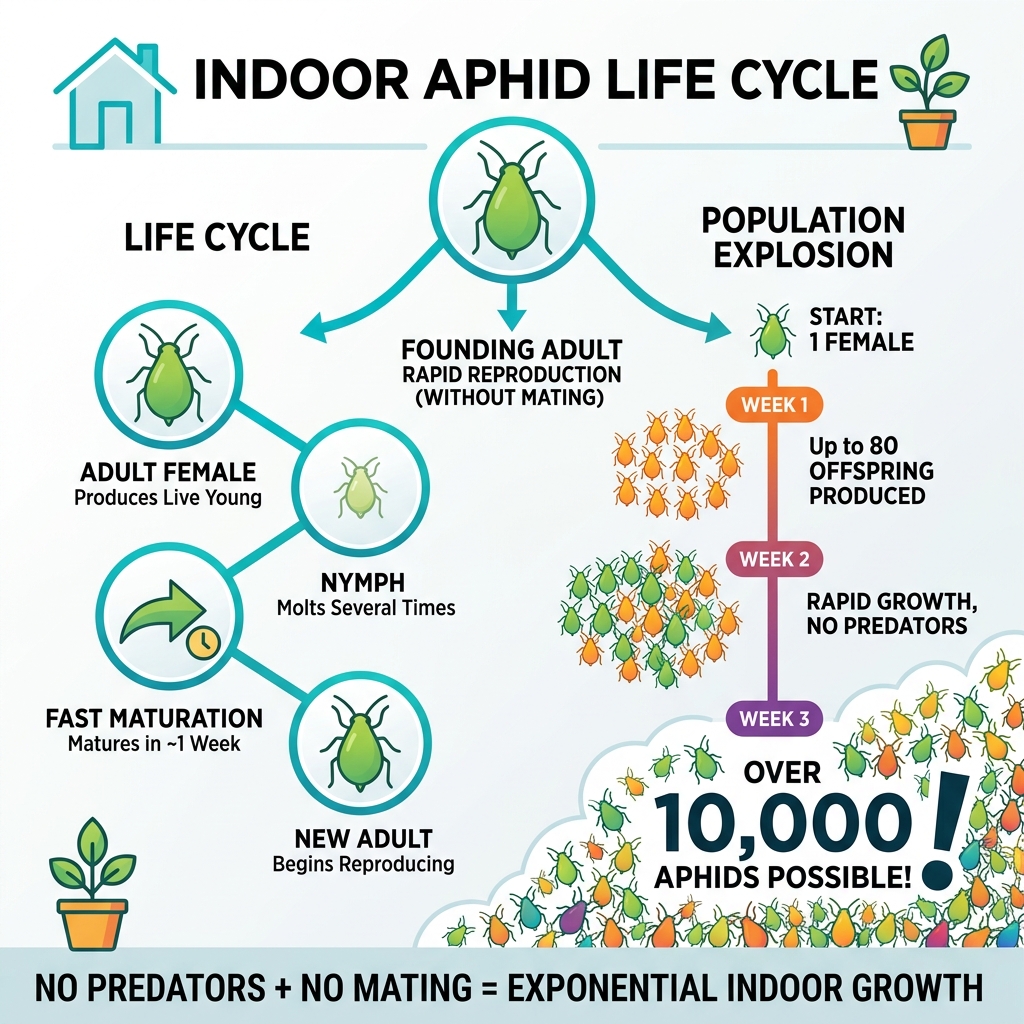
What makes aphids especially dangerous indoors is their speed. A single female can produce up to 80 live offspring in a week without ever mating. With no natural predators inside your home, one small colony can grow to 10,000 insects in under three weeks.
The good news? You don’t need to throw out your plants. With the right approach, aphids are very manageable — even on a busy schedule.
Identifying Aphids and Their Damage on Indoor Plants
Before we can tackle the problem, we need to know exactly what we are looking for. Aphids are small, piercing-sucking insects belonging to the order Hemiptera. They are rarely larger than 1/8 inch (3mm), but what they lack in size, they make up for in sheer numbers.
When you inspect your plants, look for tiny, pear-shaped bodies. While most people associate them with the color green (hence the name “greenfly”), indoor aphids can be yellow, orange, red, pink, brown, or even black. Some species, like the woolly aphid, even produce a white, waxy secretion that makes them look like tiny bits of cotton.
Common Signs of an Infestation
According to the Aphid identification and signs indoors guide, there are several tell-tale symptoms:
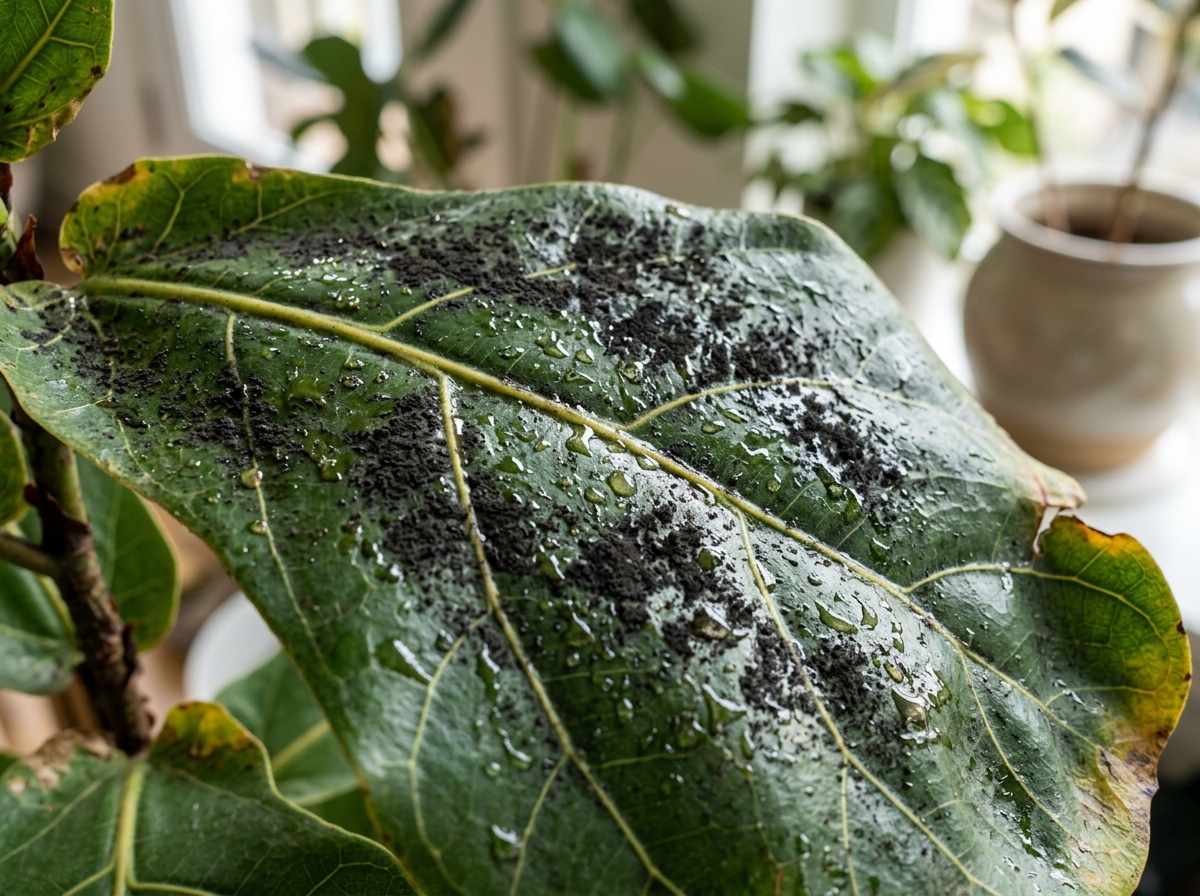
- Sticky Honeydew: As aphids suck sap, they excrete a sugary substance called honeydew. If your plant leaves feel tacky or look shiny, aphids are likely present.
- Sooty Mold: In moist indoor environments, a black fungus called sooty mold can grow on the honeydew. While the mold itself doesn’t eat the plant, it blocks sunlight and looks unsightly.
- White Cast Skins: As nymphs grow, they molt four times. They leave behind tiny white “ghosts” of their former selves. These white specks are often the first sign owners notice.
- Curled or Yellowing Leaves: Aphids prefer tender new growth. Their feeding causes leaves to twist, pucker, or turn yellow prematurely.
- Stunted Growth: Because they are literally stealing the plant’s life force (the sap), heavily infested plants will stop growing or produce deformed flowers.
To keep your home a “tranquil oasis,” it is vital to catch these signs early. You can find more detailed descriptions in our guide on indoor-plant-pests-and-how-to-remove-them-2/.
The Role of Ants in Aphid Infestations
If you see ants marching up your Monstera or Fiddle Leaf Fig, you almost certainly have an aphid problem. Ants and aphids share a fascinating, albeit annoying, symbiotic relationship. Ants “farm” the aphids, protecting them from predators and even moving them to healthier parts of the plant. In exchange, the ants harvest the sweet honeydew.
If you have ants, you must treat them alongside the aphids. Using ant baits (like Terro) near the base of the pot is a crucial step in how-to-combat-houseplant-pests/. If the ants remain, they will simply re-introduce aphids to the plant as soon as your back is turned!
Why Aphids Appear and How They Multiply Indoors
It feels like magic—one day your plant is fine, and the next, it’s covered in bugs. Where do they come from?
- Open Windows and Doors: Winged aphids are weak fliers but can be carried indoors by a light breeze through screens.
- Contaminated Soil: Some species, particularly root aphids, can hitch a ride in unsterilized potting soil.
- New Plant Additions: This is the most common “Trojan Horse.” A single pregnant female on a new purchase can start an empire.
- Clothing and Pets: If you’ve been gardening outside, aphids can cling to your sweater or your dog’s fur and drop off onto your indoor collection.
The “Nightmare Mode” of Reproduction
The reason aphid control indoor plants is so urgent is a biological process called parthenogenesis. In the stable, warm environment of your home, female aphids don’t need to mate to reproduce. They give birth to live, already-pregnant young.
A single female can produce 3 to 6 young per day for several weeks. Because these nymphs reach maturity in just 5 to 7 days, the population grows exponentially. This lack of a “winter slowdown” indoors means an infestation can go from a few bugs to 10,000 in less than 21 days.
Environmental stress also plays a role. Dry indoor air, often caused by winter heating, weakens plant cell walls and makes it easier for aphids to pierce the tissue. Avoiding common-indoor-plant-care-mistakes/ like underwatering or placing plants near heaters can help keep your plants’ natural defenses strong.
The Ultimate Protocol for Aphid Control Indoor Plants
When you discover an infestation, don’t panic. Follow this step-by-step “battle plan” to reclaim your greenery.
| Method | Effectiveness | Best For |
|---|---|---|
| Water Blast | 60-80% reduction | Initial shock, sturdy plants |
| Insecticidal Soap | 80-90% kill rate | Active infestations, large leaves |
| Neem Oil | Long-term control | Prevention and stubborn colonies |
| Manual Removal | High (for small areas) | Delicate plants, early detection |
Step 1: Immediate Isolation
The moment you see an aphid, move that plant! We recommend a “quarantine zone” at least 2 meters (6 feet) away from any other foliage. Aphids don’t fly well, but they can crawl between touching leaves.
Step 2: The Water Blast
Take your plant to the shower or outdoors (if the weather is mild). Use a steady, forceful stream of water to wash the insects away. Focus heavily on the undersides of leaves and the “crooks” where the leaf meets the stem. This mechanical removal can knock off the majority of the population instantly.
Step 3: Pruning
If a specific branch or leaf is completely encrusted with aphids, it is often better to simply snip it off. Bag the cutting immediately and dispose of it in an outdoor trash can. For more on the basics of plant maintenance, check out our indoor-plant-care-for-beginners/.
Step 4: Sterilization
Always clean your pruning shears with rubbing alcohol after use. Infested tools are a primary way pests spread through a collection.
Using Neem Oil for Aphid Control Indoor Plants
Neem oil is a plant-parent’s best friend. Derived from the Neem tree, its active ingredient, Azadirachtin, works in two ways: it suffocates the insects on contact and disrupts their hormones, preventing them from feeding or molting.
To use Neem oil effectively:
- Emulsify: Mix 1-2 teaspoons of pure neem oil with a few drops of dish soap in a liter of warm water. The soap helps the oil mix with the water.
- Test First: Always perform a “patch test” on one leaf and wait 24 hours to ensure the plant isn’t sensitive.
- Apply in Low Light: Spray in the evening. Neem oil can cause “sunburn” (phytotoxicity) if the plant is exposed to direct light while wet.
- Consistency: Apply every 5-7 days. Neem is organic and breaks down quickly, so repeat applications are necessary to catch newly hatched nymphs.
You can find more advanced application techniques in our guide to indoor-plant-pests-and-how-to-remove-them/.
Homemade Soap Sprays for Aphid Control Indoor Plants
If you don’t have neem oil on hand, a simple soap spray is the next best thing. Soap works by disrupting the aphid’s cell membranes, causing them to dehydrate and die.
The Recipe:
- 1 teaspoon of mild liquid soap (Castile soap is ideal).
- 1 liter of water.
- Avoid soaps with degreasers, heavy fragrances, or bleach, as these will destroy your plant’s protective waxy coating.
The Protocol:
- Spray the plant thoroughly, ensuring the soap makes direct contact with the bugs.
- Wait 15-20 minutes.
- Rinse the plant with fresh water. Leaving soap on the leaves for too long can cause “leaf burn,” a frequent entry in common-indoor-plant-care-mistakes-2/.
Natural and Plant-Specific Treatment Strategies
Not all plants can handle a heavy soap spray or a high-pressure shower. We need to tailor our aphid control indoor plants strategy to the specific needs of our green friends.
Delicate Plants (Ferns and Orchids)
Ferns have very sensitive fronds that can be easily damaged by oils. For these, stick to gentle water rinses or manual removal using a soft paintbrush dipped in water.
Orchids require a different approach. Because they often have tight crevices in their “crowns,” aphids can hide where sprays can’t reach. Use a cotton swab dipped in 70% rubbing alcohol to dab individual aphids. This kills them instantly without soaking the entire plant in chemicals.
The Garlic-Chilli “Nuke”
For a potent natural repellent, you can make a garlic-chilli spray. Steep several cloves of crushed garlic and a teaspoon of cayenne pepper in boiling water for an hour. Once cooled, strain it and spray. It’s brutal on aphids (and a bit spicy for your nose, too!), but it’s a 95% effective organic kill method.
Yellow Sticky Traps
While mostly used for fungus gnats, yellow sticky traps are excellent for catching winged adult aphids. Placing these near your plants won’t stop an infestation, but they serve as an “early warning system” to tell you when pests have entered the room.
Root Aphids: The Hidden Threat
Most aphids live on the leaves, but “grey-white” root aphids live in the soil. If your plant is wilting despite having perfect water and light, check the roots. You might see what looks like white mold or “dandruff” on the root ball. Treating these requires a soil drench with neem oil or, in severe cases, repotting the plant entirely after washing all the old soil off the roots.
Preventing Future Infestations and Long-Term Monitoring
At Futuro Ciencia, we believe that “an ounce of prevention is worth a pound of cure.” Once you’ve cleared an infestation, you want to make sure it never comes back.
- The 3-Week Rule: Whenever you bring a new plant home, keep it in a separate room for 21 days. This is long enough for any hidden “hitchhikers” to hatch and become visible.
- Window Screens: Ensure your screens are fine-meshed and free of holes.
- Humidity Management: Use a humidifier or pebble trays. Aphids thrive in dry air, while most houseplants thrive in 50-60% humidity.
- Potassium Power: Healthy plants are harder to eat. Ensure your plants have adequate potassium, which strengthens cell walls, making it difficult for aphids to pierce the surface.
- Regular Scouting: Buy a cheap 10x jeweler’s loupe. Once a week, during your watering routine, look at the undersides of the top three leaves. Catching one aphid is a 5-minute fix; catching 5,000 is a 3-week battle.
Frequently Asked Questions about Aphid Control
Can indoor plants fully recover from aphid damage?
Yes! Most plants are incredibly resilient. Once the aphids are gone, the plant will stop losing sap and can redirect its energy toward new growth. However, be aware that aphids can transmit over 100 different plant viruses. If you see strange, mosaic-like yellow patterns on the leaves that don’t go away after treatment, the plant may have a virus. In that case, it’s best to dispose of the plant to protect the rest of your collection.
Should I use chemical pesticides for aphids indoors?
We generally recommend natural methods first. Synthetic pesticides can linger in the air of your home, which isn’t ideal for children or pets. Furthermore, aphids can actually develop immunity to chemical sprays quite quickly. Organic options like neem oil, soap, and alcohol are safer and often more effective in the long run. Use systemic granules (chemicals that the plant absorbs) only as a last resort for massive, unmanageable outbreaks.
Do aphids live in the potting soil?
Standard green or black aphids do not live in the soil; they need the green parts of the plant to survive. However, root aphids are a specific type that spends its entire life cycle underground. If you see tiny white insects in the dirt or on the drainage holes of your pot, you are likely dealing with root aphids or soil mites.
Conclusion
Managing aphid control indoor plants doesn’t have to be a nightmare. By staying vigilant, isolating new arrivals, and using the natural power of neem oil and insecticidal soaps, you can keep your indoor jungle thriving.
At Futuro Ciencia, we are dedicated to helping you transform your living space into a tranquil oasis. Whether you are a beginner or a seasoned collector, our plant care schedules and expert guides are here to support your journey. If you’re currently facing a pest mystery you can’t solve, don’t go it alone. Find professional solutions for your plant problems and get back to enjoying the beauty of your houseplants today!
