
The Secret to Blooming Bougainvillea in Your Living Room
Can You Really Grow a Bougainvillea Plant Indoors?
Bougainvillea plant indoors can absolutely thrive and bloom — but only if you get a few key things right. Here’s the short answer:
The 5 things indoor bougainvillea needs most:
- Light — At least 6 hours of direct sunlight daily (south-facing window is best)
- Watering — Let soil dry out between waterings; never keep roots constantly wet
- Soil and pot — Well-draining mix in a pot with drainage holes (terra cotta works great)
- Fertilizer — Low nitrogen, higher phosphorus and potassium to push blooms over leaves
- Pruning — Cut back in late winter to stimulate the new growth where flowers appear
Most people assume bougainvillea is strictly an outdoor plant. It climbs walls in Mexico, spills over fences in Florida, and blazes across tropical roadsides. Bringing one inside feels ambitious — maybe even a little reckless.
But here’s the thing: it works.
Gardeners have kept bougainvillea blooming indoors for decades. One well-documented example is a 30-year-old specimen grown in an east-facing window in Toronto — proof that with the right care, these plants are surprisingly long-lived indoors.
The catch? Bougainvillea is not a forgiving plant if you ignore its core needs. It’s dramatic about light. It hates wet roots. And it will stop flowering the moment conditions slip.
The good news: once you understand what it wants, it rewards you with cascading, papery bracts in vivid pinks, reds, oranges, and whites — right in your living room.
Must-know bougainvillea plant indoors terms:
Essential Light and Temperature for a Bougainvillea Plant Indoors
If there is one “non-negotiable” for a bougainvillea plant indoors, it is light. In their native South American habitats, these plants bask in relentless tropical sun. To replicate that in a living room, we have to be strategic.
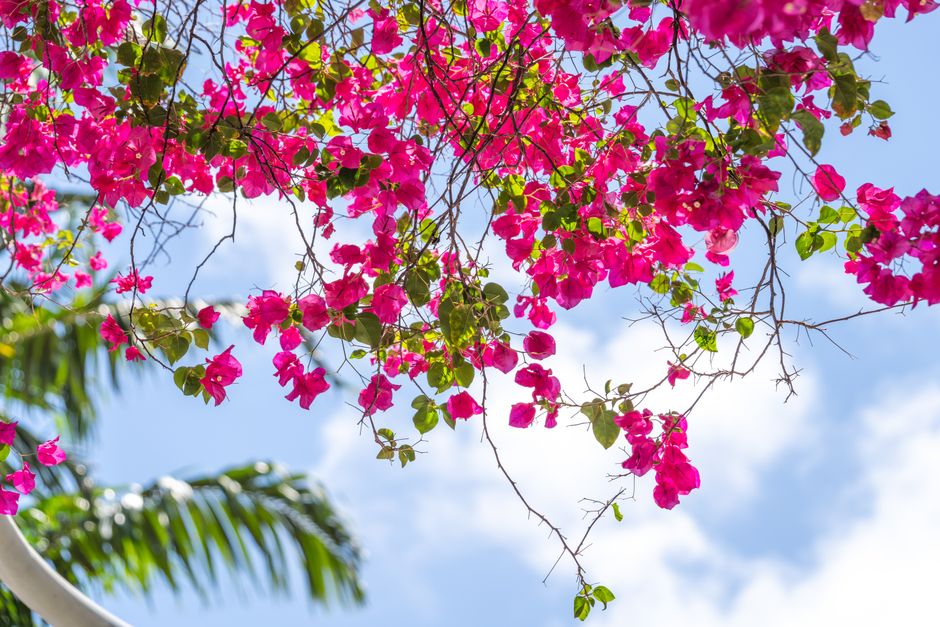
Research shows that bougainvillea requires at least 6 hours of direct sunlight per day to trigger the production of those iconic colorful bracts. Without this intensity, the plant will remain a lovely shade of green but will stubbornly refuse to bloom. While they can survive in bright indirect light, they won’t “thrive” or flower well. To understand the science behind this, you can explore indoor plant light requirements or look into scientific research on tropical plant light saturation.
Temperature is the second half of the equation. We recommend keeping your indoor environment between 60°F and 80°F (15-27°C). While bougainvillea is surprisingly hardy—tolerating dips down to 40°F (4°C)—it will stop growing and may drop leaves if it gets too chilly.
Ideal Window Placement
For the best results, a south-facing window is your golden ticket. This provides the most consistent, high-intensity light throughout the day. If you don’t have a south-facing spot, a southeast corner is a fantastic runner-up.
We suggest rotating your pots every week. Because bougainvillea is so light-hungry, it will naturally lean toward the glass. Rotating ensures even growth and prevents one side from becoming “bald.” If your home is naturally dim, don’t lose hope—supplemental full-spectrum grow lights can bridge the gap, especially during shorter winter days.
Managing Indoor Microclimates
Indoor air can be tricky. While bougainvillea is drought-tolerant, it dislikes the extreme dryness caused by forced-air heaters. Place your plant away from direct drafts, air conditioners, or heating vents. If your home feels like a desert in winter, check out these humidity tips for houseplants to keep the foliage lush. A simple pebble tray or an occasional misting can go a long way in mimicking the moist tropical air they love.
Mastering Watering and Soil for Indoor Success
One of the most common mistakes people make with a bougainvillea plant indoors is over-loving it with the watering can. In the wild, these plants grow on rocky hillsides and roadsides where the soil dries out quickly.
Choosing the Right Potting Mix
Standard garden soil is too heavy for a potted bougainvillea; it stays wet too long and suffocates the roots. We recommend a semi-porous potting medium with a slightly acidic pH between 5.5 and 6.0.
A perfect DIY mix includes:
- 2 parts high-quality potting soil
- 1 part peat moss (for acidity)
- 1 part perlite or coarse sand (for drainage)
This ensures that water moves through the pot quickly. For more on the basics of soil health, our indoor plant care tips for beginners is a great resource.
The “Wilt” Method for Watering
Bougainvillea “prefers to be upset” by dryness rather than wetness. The secret to a blooming bougainvillea plant indoors is to let the soil dry out completely between waterings. Some expert indoor gardeners even wait until the leaves show a very slight wilt before drenching the plant. This “stress” actually mimics the dry seasons of the tropics and signals the plant to start flowering.
When you do water, do it thoroughly. Pour water until it runs out of the drainage holes at the bottom, then empty the saucer. Never let the pot sit in standing water, as this is a fast track to root rot. You can find more guidance on timing your hydration in our watering schedule for indoor plants.
Pruning and Fertilizing for Maximum Blooms
If your bougainvillea looks like a wild, thorny mess or refuses to show any color, it’s likely time to change your maintenance routine. These plants bloom on “new wood”—meaning the fresh stems that grow after a trim.
How to Encourage Blooms on Your Bougainvillea Plant Indoors
The biggest “bloom killer” is actually the wrong fertilizer. High-nitrogen fertilizers (the kind that make grass green) will give you a massive, leafy vine with zero flowers. To get those vibrant bracts, you need a “bloom booster” formula.
Look for a fertilizer where the middle and last numbers (Phosphorus and Potassium) are higher than the first (Nitrogen). We suggest a weak liquid fertilizer every 7 to 10 days during the growing season. This provides a steady supply of nutrients without overwhelming the plant. For those looking for a lower-maintenance approach, check out our easy indoor plants for beginners guide.
Pruning Techniques for Shape and Growth
Don’t be afraid to get the shears out! Pruning is essential for keeping a bougainvillea plant indoors manageable. Without it, they can easily reach 30 feet long, which is a bit much for most living rooms.
- Pinching: Every few weeks, pinch off the soft tips of new stems. This encourages the plant to branch out and become “bushy” rather than spindly.
- Hard Pruning: In late winter or very early spring, you can cut the plant back significantly. This stimulates the vigorous new growth that will carry the season’s flowers.
- Trellis Training: Since bougainvilleas are natural climbers, provide a small trellis or hoop. You can gently wind the long stems back into the plant to keep it compact.
For busy gardeners, keeping a hardy indoor plants for busy people mindset means pruning once a year and letting the plant do its thing. Also, remember to follow a consistent indoor plant care routine to keep track of these seasonal tasks.
Troubleshooting Pests and Growth Problems
Even the best-cared-for bougainvillea plant indoors can run into trouble. Because the indoor environment lacks the natural predators (like ladybugs) found outside, pests can occasionally take hold.
Troubleshooting Common Issues with a Bougainvillea Plant Indoors
- Leaf Drop: If your plant suddenly drops its leaves, don’t panic. This often happens when you move the plant to a new location or if the light levels drop significantly. It’s the plant’s way of hitting the “reset” button.
- Spindly Stems: This is almost always a sign of insufficient light. The plant is “stretching” to find the sun. Move it to a brighter window or add a grow light.
- Lack of Color: If the bracts are pale or staying green, it needs more direct sun. Sunlight intensity directly correlates to color saturation.
If you have furry friends at home, it’s worth noting that while bougainvillea isn’t considered highly toxic, the thorns can be a hazard. Check our list of indoor plants for beginners with pets for more safety tips.
Natural Pest Solutions
The most common indoor pests for bougainvillea are whiteflies, aphids, mealybugs, and spider mites.
- The Water Blast: For aphids, a strong spray of water (take the plant to the shower!) can knock them off.
- Neem Oil & Horticultural Oil: These are excellent for suffocating mites and mealybugs.
- Alcohol Swab: For a small mealybug infestation (those white, cottony spots), a Q-tip dipped in rubbing alcohol works wonders.
Keeping your plant healthy is the best defense; pests usually target stressed plants. For more apartment-friendly pest management, see best indoor plants for apartments.
Long-Term Care: Repotting and Winter Dormancy
A bougainvillea plant indoors can live for decades. We’ve seen specimens that have been in the same family for 30 years! The key to this longevity is knowing when to help the plant grow and when to let it rest.
Best Varieties for Indoor Growing
Not all bougainvilleas are suited for life in a pot. Some are massive giants meant for covering three-story buildings. For your living room, look for “dwarf” or “compact” cultivars.
| Variety | Bract Color | Growth Habit |
|---|---|---|
| Barbara Karst | Bright Magenta/Red | Vigorous but manageable in pots |
| Texas Dawn | Pink | Stays very compact; great for beginners |
| California Gold | Yellow/Gold | Unique color; loves heat |
| Helen Johnson | Deep Pink | Naturally dwarf; perfect for small spaces |
Can bougainvillea be kept rootbound indoors?
Yes! In fact, bougainvilleas actually bloom better when their roots are a little crowded. If you put a small plant in a massive pot, it will spend all its energy growing roots and leaves, and you won’t see a flower for years.
We recommend only repotting every 2 to 3 years, and only moving up one pot size at a time (e.g., from an 8-inch pot to a 10-inch pot). Be extremely careful with the roots during this process; bougainvillea has a fragile, fibrous root system that doesn’t like to be disturbed.
Managing the Winter Rest Period
In the winter, your bougainvillea plant indoors might look a little tired. This is normal. As the light fades, the plant enters a semi-dormant state.
- Reduce Water: Only water when the soil is very dry.
- Stop Fertilizing: The plant isn’t growing much, so it doesn’t need the extra food.
- Keep it Cool: A slightly cooler room (around 60°F) can help the plant rest deeply, ensuring a more explosive bloom in the spring.
If you have a particularly dark home in winter, you might find that low light indoor plants for apartments are a better fit for those specific corners, while the bougainvillea keeps the prime window real estate.
Frequently Asked Questions about Indoor Bougainvillea
Why has my indoor bougainvillea stopped flowering?
The most common culprits are insufficient light (less than 6 hours of direct sun), overwatering, or using a fertilizer too high in nitrogen. Also, bougainvillea blooms on new growth—if you haven’t pruned it in a while, it might just be out of “new wood” to flower on.
Can bougainvillea be kept rootbound indoors?
Absolutely. Keeping the plant slightly rootbound restricts vegetative growth and encourages the plant to produce flowers. Only repot when the roots are literally pushing the plant out of the container or if you find it impossible to keep the soil hydrated.
Is bougainvillea messy to keep as a houseplant?
We have to be honest: yes, a little. When those beautiful papery bracts eventually die, they fall off the plant. If you have a large, blooming specimen, you will be sweeping up colorful “petals” regularly. Most indoor gardeners find the vibrant display well worth the 30 seconds of sweeping!
Conclusion
At Futuro Ciencia, we believe that any space can be transformed into a tranquil oasis with the right greenery. While the bougainvillea plant indoors requires a bit more attention than a snake plant, the reward is a living masterpiece of tropical color that brightens even the greyest winter days.
By mastering the balance of intense light, strategic “neglect” in watering, and proper pruning, you can enjoy these stunning blooms for years to come. If you’re ready to dive deeper into greenery, we invite you to explore more of our indoor plant care schedules and guides to help your home garden flourish. Happy growing!
