
Why the Right Fertilizer for Indoor Palm Plants Makes All the Difference
Fertilizer for indoor palm plants is one of the most overlooked parts of keeping your palms healthy and lush indoors.
Here’s a quick answer before we dive deeper:
- Best NPK ratio: Look for a slow-release formula with an analysis like 8-2-12 or 12-4-12
- Key micronutrients: Must include magnesium, iron, manganese, zinc, boron, and copper
- How often: Fertilize 2-3 times per year, only during active spring and summer growth
- Best formats: Slow-release granules or liquid concentrates designed specifically for palms
- What to avoid: Leaf shine sprays, turf fertilizers, and quick-release formulas
Indoor palms bring an instant tropical feel to any room. But here’s the problem: your pot has a fixed amount of soil. That soil runs out of nutrients fast — much faster than ground soil outdoors.
Without the right feeding routine, even a healthy palm starts to struggle. You’ll notice fronds turning yellow, curling, or losing that rich green color. Growth slows down or stops completely.
The good news? Fixing this doesn’t require a complicated routine. With the right fertilizer and a simple schedule, your indoor palm can thrive year-round — even with a busy lifestyle.

Understanding the Best Fertilizer for Indoor Palm Plants
When we step into a garden center, the wall of colorful bottles can be overwhelming. For our indoor palms, we can’t just grab any “all-purpose” blue powder. Palms are unique; they are more closely related to grasses than to oak trees, and their “stomachs” have very specific cravings.
The secret code to palm health is the NPK ratio—those three numbers on the front of the bag representing Nitrogen (N), Phosphorus (P), and Potassium (K). For indoor palms, we want to look for a high third number. Common successful analyses include 8-2-12 or 12-4-12. Why so much potassium? Palms are heavy consumers of it, and a deficiency quickly leads to “frizzle top” or yellowing leaf margins.
Some modern indoor gardeners prefer a slightly different approach with a 3-1-2 ratio, which is often found in high-quality liquid concentrates. This ratio is excellent for maintaining the deep green hue of the fronds while supporting root-to-tip health. If you prefer a liquid approach, Premium Liquid Palm Tree Fertilizer is a fantastic option that mimics the nutrient availability found in tropical rainforests.
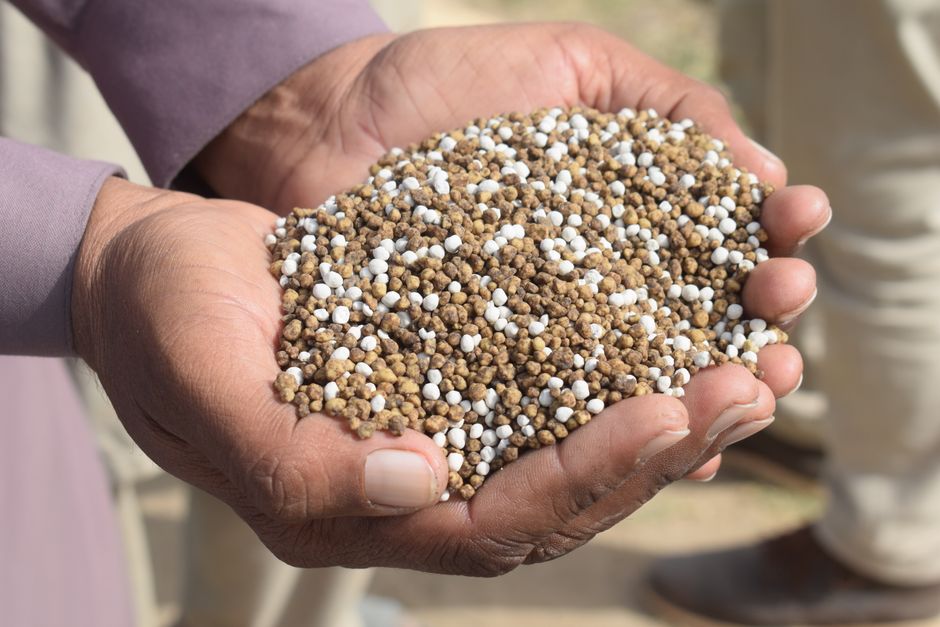
Regardless of the ratio, we always advocate for slow-release technology. In a container, quick-release fertilizers can wash through the soil too fast or, worse, cause chemical burns to the sensitive root system. Slow-release granules provide a steady “buffet” of nutrients for up to three months. Of course, even the best fertilizer won’t work if the “house” isn’t right, so ensure you are using the best soil for indoor plants to provide the drainage these tropical beauties require.
Essential Micronutrients for Vibrant Fronds
If Nitrogen, Phosphorus, and Potassium are the “main course,” micronutrients are the essential vitamins that keep the palm’s immune system strong. Without them, your palm will look “anemic.”
- Magnesium (Mg): Prevents the older fronds from turning a bright, sickly yellow.
- Iron (Fe): Essential for chlorophyll production. Without it, new leaves emerge pale or greenish-yellow (chlorosis).
- Manganese (Mn): Prevents “frizzletop,” where new leaves emerge small, curled, and withered.
- Zinc, Boron, and Copper: These trace elements support everything from cell wall strength to enzyme function.
A product like PalmGain 8-2-12 Plus Minors is specifically formulated with these “minors” to ensure your palm doesn’t just survive, but thrives with vibrant, architectural foliage.
Organic vs. Synthetic Fertilizer for Indoor Palm Plants
At Futuro Ciencia, we often get asked: “Should I go organic?” The answer depends on your goals.
Synthetic fertilizers are like a targeted vitamin shot. They are precise and work quickly to correct a visible deficiency. However, they are made of mineral salts. Over time, these salts can build up in a pot, leading to brown leaf tips.
Organic fertilizers, such as Espoma Organic Palm-tone, use natural proteins and bone meal. They often include beneficial microbes and humates that improve the soil structure over time. These microbes act like a tiny kitchen staff, breaking down organic matter into a form the palm can eat. If you’re interested in a more holistic approach, check out our guide on fertilizing houseplants naturally. Organic options are generally safer for pets and children, and they are much harder to “overdose,” making them a great choice for beginner plant parents.
When and How Often to Fertilize Your Palms
Timing is everything. Imagine trying to eat a five-course steak dinner while you’re trying to sleep—you wouldn’t feel very good! Palms are the same. They have a “circadian rhythm” tied to light and temperature.
We should only apply fertilizer for indoor palm plants when the plant is actively growing. This typically happens during the Spring and Summer (March through August). During this window, the palm is pushing out new fronds and needs the extra fuel.
In the Winter, most indoor palms enter a period of semi-dormancy. The lower light levels and cooler indoor temperatures tell the plant to rest. Fertilizing during this time is a mistake; the nutrients will just sit in the soil, potentially leading to root rot or salt burn.
| Season | Growth Status | Feeding Frequency | Dosage Adjustment |
|---|---|---|---|
| Spring | High Activity | Once (Early Spring) | Full strength per label |
| Summer | Peak Activity | Once (Mid-Summer) | Full strength per label |
| Fall | Slowing Down | Optional (Early Sept) | Half strength or skip |
| Winter | Dormant | None | Do not fertilize |
Most experts, including those at Clemson Extension, suggest fertilizing indoor palms only 2 to 3 times per year. If you’re using a liquid concentrate, you might feed every other watering at a very diluted rate, but for most of us, a seasonal schedule is easier to manage. You can keep track of these dates using our indoor plant care schedule to ensure you never miss a feeding window.
Signs of Nutrient Deficiency vs. Over-Fertilization Symptoms
Your palm is a great communicator; you just need to know how to read the “frond-language.”
Signs your palm is hungry (Deficiency):
- Potassium Deficiency: This is the most common. You’ll see yellow spotting on older leaves, or the tips of the leaves will look withered and “frizzled.”
- Nitrogen Deficiency: The entire plant looks pale green or yellowish. Growth will be noticeably stunted.
- Iron Deficiency: The newest leaves look yellow, while the veins might stay green. This often happens if the soil pH is too high or the soil is too wet.
Signs you’ve over-served your palm (Over-fertilization):
- Brown Tips: If the very tips of the fronds turn brown and crispy, it’s often a sign of salt buildup from too much synthetic fertilizer.
- Lower Leaf Death: Excessive fertilizer can actually kill off the bottom leaves rapidly.
- White Crust on Soil: This is a literal “salt lick” of excess minerals rising to the surface.
If you see these signs, refer to our indoor plant maintenance checklist to diagnose whether the issue is nutritional, or perhaps related to pests or watering.
Proper Application Methods for Container Palms
How you apply the food is just as important as what you’re feeding. For container palms, the goal is “even distribution.”
If you are using a granular product like Miracle-Gro® Shake ‘N Feed Palm Plant Food, follow these steps:
- Moisten the soil first: Never apply fertilizer to bone-dry soil, as this can shock the roots.
- Scatter evenly: Shake the granules onto the soil surface, staying away from the “trunk” or center of the palm.
- Lightly incorporate: Use a small hand rake or fork to work the granules into the top 1-3 inches of soil.
- Water again: This “activates” the slow-release coating.
For liquid fertilizers, the process is a “drench.” Mix the concentrate according to the bottle’s instructions (usually about 1 teaspoon per gallon) and water until it runs out of the drainage holes. This ensures the entire root zone is reached.
Every six months, it is a good practice to “leach” your palms. This involves taking the pot to a sink or bathtub and running plain water through it for several minutes. This washes away accumulated fertilizer salts, preventing that dreaded brown-tip look. If your palm has outgrown its pot during this process, it might be time to learn how to repot indoor plants to give those roots more room to breathe.
Avoiding Common Mistakes with Fertilizer for Indoor Palm Plants
Even with the best intentions, we can sometimes do more harm than good. Here are the “Big No-Nos” of palm feeding:
- Trunk Contact: Never let fertilizer granules rest against the trunk. This can cause “canker” or rot.
- Foliage Burn: If you’re using granules, make sure none are trapped in the leaf bases. The high salt content will burn the delicate tissue.
- Using Turf Fertilizer: Never use lawn fertilizer on your palms. These are often way too high in nitrogen and lack the micronutrients palms need. It’s like feeding a human nothing but sugar—they’ll grow fast, but they won’t be healthy.
- Over-dosing: More is NOT better. Follow the label. Palms grow slowly by nature; you can’t “force” a Parlor Palm to become a giant overnight. If you’re struggling with a slow-growing species, our ultimate guide to parlor palm low light success can help you set realistic expectations.
Complementary Care Practices for Maximum Growth
Fertilizer is just one piece of the puzzle. Think of it as the “food,” but the plant still needs “air” and “water” to process that food.
Light is the Engine: Without bright, filtered light, your palm can’t photosynthesize. If the light is too low, the palm can’t use the fertilizer you give it, leading to nutrient buildup in the soil. Most palms love a spot near an East or West-facing window.
The 50% Humidity Rule: Most palms come from humid jungles. Our homes, especially in winter, are as dry as deserts. If humidity drops below 50%, the palm will struggle regardless of how much you feed it. We recommend using a humidifier or placing your palm on a pebble tray filled with water.
Temperature Matters: Palms are tropical! They prefer temperatures between 60-80°F. Most will suffer chilling damage if the temperature drops below 45°F. Keeping them in a stable, warm environment ensures their metabolism stays active enough to utilize their nutrients. You can find more tips on creating the perfect environment in our indoor plant care routine. For more advanced tips on outdoor-to-indoor transitions, the Palm Tree Fertilization Tips from Milorganite offer great insights into how palms behave in different climates.
Products and Practices to Avoid
To keep your palm in peak condition, steer clear of these common pitfalls:
- Leaf Shine Sprays: While they make the plant look “glossy” for a photo, they can clog the pores (stomata) through which the plant breathes. This can severely injure or even kill palm foliage. Use a damp cloth to wipe away dust instead.
- Lime Application: Most palms prefer slightly acidic to neutral soil. Unless a soil test specifically tells you otherwise, avoid adding lime, as it can raise the pH and lock out essential nutrients like iron.
- High Phosphorus Fertilizers: “Bloom booster” fertilizers are generally not good for palms. High phosphorus can interfere with the uptake of micronutrients.
Frequently Asked Questions about Palm Fertilization
Can I use a standard all-purpose houseplant food for my palm?
You can, but it’s not ideal. Standard houseplant foods often lack the high levels of potassium and the specific micronutrients (like manganese and magnesium) that palms require. Using one long-term often leads to yellowing or “frizzled” leaf tips. If you must use it, ensure you supplement with a micronutrient spray.
Why are the bottom leaves of my indoor palm turning yellow?
If it’s just the very bottom leaves, it might be natural aging. However, if multiple lower leaves are turning yellow simultaneously, it’s usually a sign of magnesium deficiency. The plant is “stealing” magnesium from the old leaves to support new growth. A palm-specific fertilizer will fix this.
How do I fix a palm that has been over-fertilized?
Stop fertilizing immediately! Place the pot in a sink or bathtub and flush the soil with water for 5-10 minutes to wash away excess salts. Avoid fertilizing again for at least 4-6 months, and wait until you see healthy new growth before resuming a light feeding schedule.
Conclusion
Mastering the use of fertilizer for indoor palm plants is the secret to moving from a “plant owner” to a “plant whisperer.” By choosing a slow-release formula with an 8-2-12 or 12-4-12 ratio, ensuring your palm gets its essential micronutrients, and respecting the natural dormancy of the winter months, you can enjoy a piece of the tropics right in your living room.
At Futuro Ciencia, we believe that every home deserves to be a tranquil oasis. Healthy, vibrant palms do more than just look good—they purify our air and brighten our spirits. If you’re ready to expand your indoor jungle, we invite you to explore our full range of indoor plant care guides to help every leaf in your home reach its full potential. Happy growing!
