
Why Shade Loving Plants Deserve a Spot in Every Garden
Shade loving plants are plants that grow best in low to no direct sunlight — and there are hundreds of beautiful options to choose from.
Here are some of the most popular picks at a glance:
| Plant | Shade Level | Key Feature |
|---|---|---|
| Hosta ‘Dark Shadows’ | Full to part shade | Bold blue-green foliage |
| Heuchera ‘Midnight Rose’ | Part shade | Dark purple leaves with pink spots |
| Astilbe | Part shade | Feathery colorful blooms |
| Helleborus | Full to part shade | Winter and early spring flowers |
| Maidenhair Fern | Full shade | Delicate, airy fronds |
| Brunnera ‘Jack Frost’ | Part to full shade | Silver-marked leaves |
| Ajuga | Part to full shade | Low-growing groundcover |
| Beautyberry | Part shade | Vivid purple berries |
Most of us have that one shady corner in the garden — or apartment — where nothing seems to grow. It can feel like a dead zone. But it doesn’t have to be.
Shady spots are actually an opportunity. The right plants don’t just survive in low light — they thrive, creating lush, layered spaces that feel cool and calm even in summer.
Whether you’re dealing with a north-facing wall, dense tree canopy, or just a dim indoor room, there’s a shade-loving plant built exactly for that spot.
This guide covers the best options across every shade level, region, and garden style — so you can stop guessing and start growing.
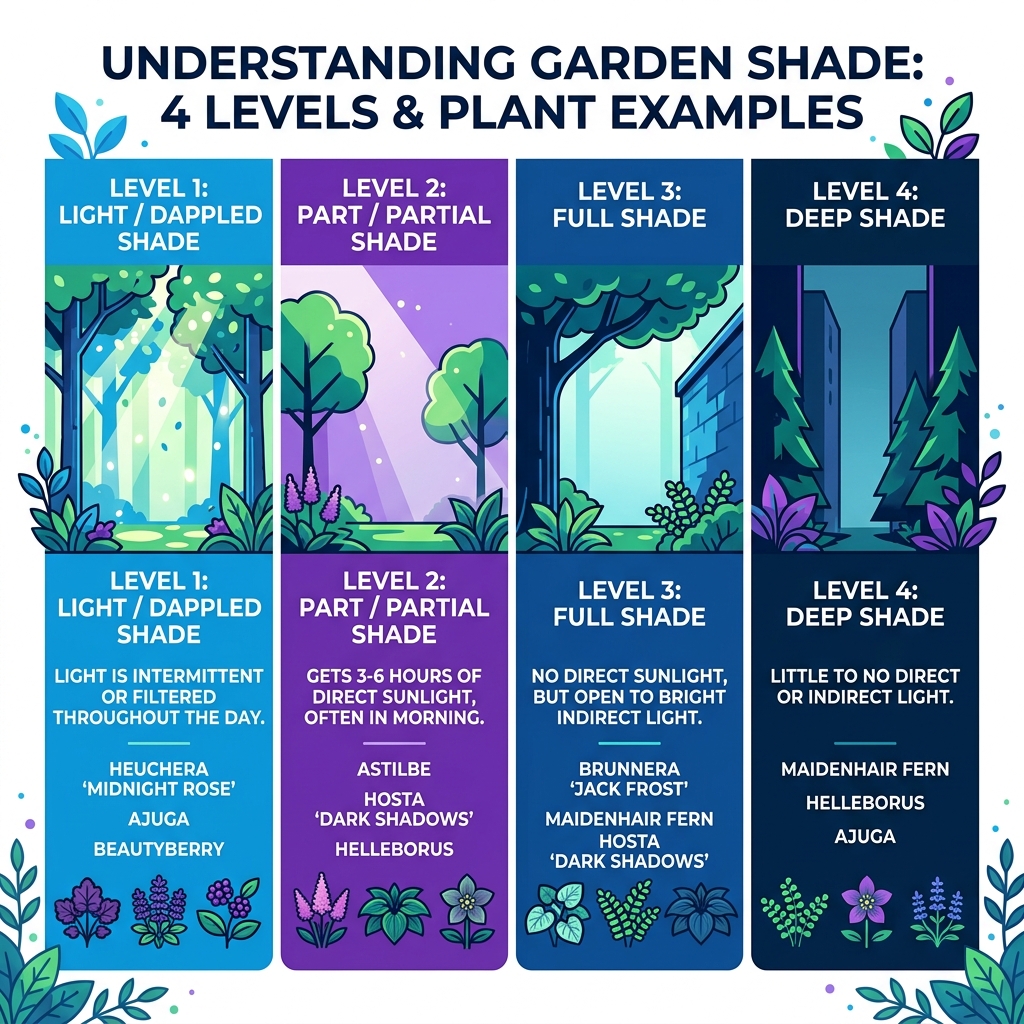
Understanding Light: The Best Shade Loving Plants for Every Garden Level
When we talk about Shade loving plants, the first thing we need to do is clear up some confusion. “Shade” isn’t just one thing. In the gardening world, there are levels to this! Understanding whether you have a “dappled” corner or a “deep shade” abyss is the difference between a plant that flourishes and one that just… sits there.
Plants have incredible photosynthesis adaptations. While sun-lovers are like solar panels on high-speed mode, shade-dwellers are the masters of efficiency. They often have broader, thinner leaves to catch every stray photon of light. This biological “superpower” allows them to bring tranquility to the darkest corners of your yard or home.
Defining Full Shade vs. Part Sun
The labels on plant tags can be a bit cryptic. Let’s break down the four main categories we use at Futuro Ciencia to help you choose:
- Full Shade: This means less than 3 hours of direct sunlight per day. Often, this light is filtered or indirect. Think of the area directly under a dense evergreen or against a north-facing wall.
- Part Shade / Part Sun: These areas get between 3 to 6 hours of sun. The “Part Shade” label usually implies the plant prefers the cooler morning sun and protection from the harsh afternoon heat.
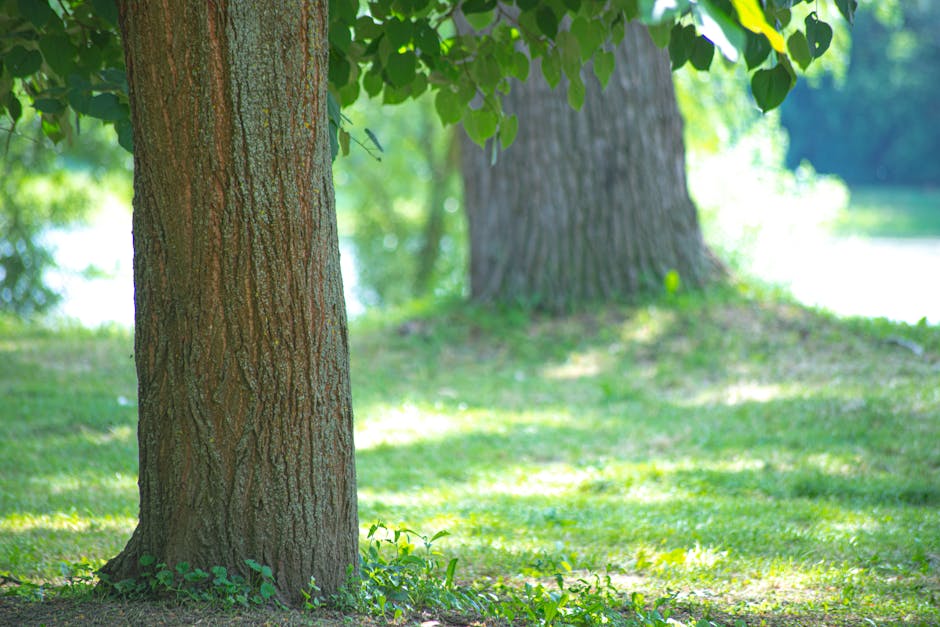
- Dappled Shade: This is the “disco ball” effect of sunlight filtering through the leaves of a deciduous tree. It’s a shifting pattern of light and shadow that many woodland plants absolutely adore.
- Dry Shade: Perhaps the most challenging, this occurs under large trees where the canopy blocks rain and the tree roots suck up all the available moisture.
If you are looking to bring this greenery indoors, check out our guide on indoor-plant-care-for-low-light to ensure your interior spaces are just as lush. That light intensity drops significantly indoors, so even a “bright” room might only offer the equivalent of full shade to a plant.
| Light Level | Hours of Sun | Best Plant Examples |
|---|---|---|
| Full Shade | < 3 Hours | Ferns, Hostas, Jack-in-the-Pulpit |
| Part Shade | 3 – 6 Hours | Heuchera, Astilbe, Bleeding Heart |
| Dappled Shade | Filtered all day | Brunnera, Trillium, Wild Ginger |
| Dry Shade | Varies | Epimedium, Hellebores, Ajuga |
Managing these conditions often comes down to moisture. We’ve found that watering-guides-the-secret-to-keeping-low-light-plants-alive are essential because shade plants don’t dry out as fast as sun plants—unless they are competing with big tree roots!
Solving the Dry Shade Dilemma
Dry shade is the “Final Boss” of gardening. You have low light and low water. Root competition from established trees is usually the culprit. To win this battle, we recommend heavy mulching and the addition of organic matter to help the soil hold onto whatever water it gets.
One of our favorite “tough guys” for this spot is Brunnera / RHS Plant Guide. These plants are incredibly reliable. Known for their heart-shaped leaves with silver markings, they thrive in cool, shady areas and can even handle ordinary garden soil that leans toward the drier side once established. Plus, they are a great low-maintenance alternative to Hostas because slugs generally leave them alone!
Top Shade Loving Plants for Colorful Foliage and Blooms
Who says you need sun for color? Some of the most vibrant plants in the world prefer the shadows. While sun gardens rely on flashy flowers, shade gardens win with texture and variegated foliage.
Heuchera (Coral Bells)
If you want a rainbow in the shade, look no further than Heuchera. These form neat, low mounds of foliage in colors ranging from lime green to apricot and deep purple.
- Heuchera ‘Midnight Rose’: This is a showstopper. It features dark purple, almost black leaves speckled with “shining” pink spots. As the season progresses, those spots enlarge and turn cream. It grows about 10 inches tall and is quite vigorous. You can find more details here: Heuchera ‘Midnight Rose’ (Coral Bells).
- General Care: Most prefer partial or dappled shade. Interestingly, the darker-leaved varieties can often tolerate a bit more sun, which actually helps intensify their colors. For a deep dive into the genus, check the Heuchera (Coral bells) / RHS Plant Guide.
Hostas
The kings of the shade garden! Hostas offer everything from tiny “mouse ears” to giant leaves the size of trash can lids.
- Hosta ‘Dark Shadows’: This is a large, clump-forming beauty with thick, blue-green foliage and pale green margins. It even produces pale lavender flowers in the summer. It’s perfect for underplanting shrubs or filling large containers. Learn more at Hosta ‘Dark Shadows’ | Herbaceous Perennial/RHS.
Perennials with Year-Round Interest
We always tell our community at Futuro Ciencia that a garden shouldn’t “shut down” in the winter. Many Shade loving plants provide interest even when the temperature drops.
- Helleborus (Lenten Rose): These are the superstars of late winter. They bloom when there’s often still snow on the ground, offering cup-shaped flowers in shades of white, pink, and deep plum.
- Hemerocallis ‘Darker Shade’: While many daylilies love the sun, this variety is a semi-evergreen perennial that produces very fragrant, dark purple flowers. It can tolerate partial shade, though it flowers best with at least some light. See the specs here: Hemerocallis ‘Darker Shade’ | daylily ‘Darker Shade’ Herbaceous Perennial/RHS.
- Moonshadow™ Morello Hardy Hibiscus: If you have a spot that gets a bit more light (part sun), this hibiscus offers incredible contrast with raspberry-red blooms against dark purple-black foliage. It’s a fast grower and very pest-tolerant. Check it out: Moonshadow™ Morello Hardy Hibiscus.
Low-Maintenance Groundcovers for Shade
If you’re tired of mulching every year, let plants do the work for you. Groundcovers act as “living mulch,” suppressing weeds and keeping the soil cool.
- Ajuga (Bugleweed): A rugged plant that forms a dense carpet of foliage, often in shades of bronze or purple, with blue flower spikes in spring.
- Wild Ginger: A native favorite with beautiful heart-shaped leaves that create a lush, velvety mat.
- Creeping Sage: Perfect for those who want a “no-rake” garden. In many woodland settings, these plants are accustomed to growing right through leaf litter, meaning you can leave those fallen leaves to nourish the soil naturally.
For those of us living in smaller spaces, many of these groundcover textures translate beautifully to indoor pots. If you’re looking for greenery for your flat, browse our list of low-light-indoor-plants-for-apartments.
Native Shade Loving Plants for Regional Success
At Futuro Ciencia, we are big fans of native plants. Why? Because they’ve been growing in your local climate for thousands of years! They support local biodiversity, providing essential habitats for birds and pollinators while requiring less “babying” from you.
Best Natives for Florida and the Southeast
The Southeast is famous for its heat and humidity, but the shade offers a respite.
- Beautyberry (Callicarpa americana): Famous for its clusters of neon-purple berries in the fall. It’s a bird favorite!
- Bahama Coffee: A glossy-leaved shrub that thrives in the understory.
- Coontie: A prehistoric-looking cycad that is incredibly tough, drought-tolerant, and salt-tolerant—perfect for coastal shade gardens.
- Ashe’s Magnolia & American Snowbell: These provide stunning white blooms in the spring, even in lower light conditions.
If you are trying to bring a bit of that Southern charm indoors, some regional varieties can be adapted. See our advice on low-light-indoor-plants-for-apartments-2 for more.
Woodland Wonders for the PNW and Midwest
In cooler climates, the shade garden is often inspired by the deep forest.
- Maidenhair Fern: Known for its delicate, fan-shaped fronds and black stems. It’s the epitome of garden elegance.
- Jack-in-the-Pulpit: A quirky, “hooded” flower that turns into bright red berries in the fall.
- Erythronium (Fawn Lily): A magical spring ephemeral that pops up early with nodding flowers and mottled leaves.
- Trillium: The classic woodland jewel. These are slow-growing but absolutely worth the wait for their three-petaled blooms.
Designing and Maintaining Your Shady Sanctuary
Designing with Shade loving plants is all about texture contrast. Since you don’t always have bright sun to create shadows, you have to use the plants themselves. Pair the large, smooth leaves of a Hosta with the lacy, feathery fronds of an Astilbe or Fern.
Soil and Maintenance Tips
Most shade plants love “humus-rich” soil. Think of the forest floor: it’s dark, crumbly, and full of decomposed leaves.
- Soil pH: Many woodland natives prefer slightly acidic soil.
- Pest Tolerance: While Hostas are “deer candy,” plants like Brunnera, Hellebores, and certain ferns are often ignored by deer and rabbits.
- Indoor Transition: If you’re moving your shade garden indoors, humidity is key. Check out our guide on indoor-plants-that-thrive-in-low-light to keep them happy.
Planting and Propagation Techniques
One of the best things about many shade perennials is that they are “the gift that keeps on giving.”
- Clump Division: Plants like Hostas and Heucheras can be divided every 3-4 years in the spring. This gives you free plants to fill in other gaps!
- Deadheading: Removing faded flower stems (like on Coral Bells) can often encourage the plant to put more energy into its beautiful foliage or even produce more blooms.
- Winter Mulching: In colder zones, a layer of mulch after the ground freezes prevents “root heaving,” where the freeze-thaw cycle pushes the plant out of the soil.
For indoor enthusiasts, the same principles of care apply. We’ve found that even a single successful plant can lead to a whole collection. For example, the-ultimate-guide-to-parlor-palm-low-light-success shows how one resilient palm can transform a dim corner into a tropical oasis.
Attracting Pollinators to the Shadows
Don’t think that a shade garden is a quiet place! You can still attract plenty of wildlife.
- Hummingbirds: They love the tubular flowers of Heuchera and Hardy Hibiscus.
- Butterflies & Bees: Many native shade plants, like Mistflower or Asters, provide essential nectar.
- Fireflies: They love the cool, moist environment and leaf litter provided by a well-designed shade garden.
- Fragrance: Plants like ‘Darker Shade’ Daylilies or Lily of the Valley add a sensory layer that makes your “shady sanctuary” feel even more magical.
Frequently Asked Questions about Shade Plants
What are the best plants for deep, full shade?
For the darkest corners, ferns (like the Lady Fern or Christmas Fern) and certain Hostas are your best bet. Ivy and Wild Ginger are also excellent groundcovers that don’t mind a lack of light.
How often should I water plants in dry shade?
Plants in dry shade (under trees) need more frequent watering than those in “normal” shade because the tree roots are competing for every drop. We recommend a deep soak once or twice a week rather than light daily sprinkling.
Which shade-loving plants are deer-resistant?
Deer generally stay away from Hellebores, Ferns, Brunnera, and Bleeding Hearts. If you have a heavy deer population, avoid Hostas unless you have a sturdy fence!
Conclusion
At Futuro Ciencia, we believe that every space—no matter how dim—has the potential to be a tranquil oasis. Shade loving plants aren’t just “backups” for where the sun doesn’t shine; they are stars in their own right. By choosing the right mix of natives, colorful perennials, and tough groundcovers, you can create a sustainable garden that purifies the air and brightens your spirit.
Whether you’re planting a woodland border or looking for the perfect low-light houseplant, the key is understanding your light and nurturing your soil. Ready to start your journey? Transform your space with expert plant care guides and let us help you grow a greener, calmer world.
