
Why Indoor Plantain Arrangements Ideas Are Worth Your Attention
Indoor plant arrangements ideas can completely change how a room looks and feels — and the good news is you don’t need a green thumb to pull them off.
Here are some of the most popular and effective approaches to get you started:
- Low-light groupings — Peace lilies, peperomia, and pothos thrive together in dim corners
- Succulent trays — Group cacti and succulents in shallow dishes for a low-maintenance display
- Thriller, filler, spiller — One tall focal plant, one bushy filler, one trailing plant per arrangement
- Vertical displays — Floating shelves, tiered stands, or upcycled ladders save floor space
- Themed clusters — Group by style (boho, minimalist, urban jungle) for a cohesive look
- Terrarium setups — Closed or open glass containers for moisture-loving plants
- Bookshelf arrangements — Mix plant sizes and textures among books and decor objects
Research consistently shows that homes with plants have lower stress levels and better sleep quality. Houseplants also filter harmful toxins from the air. So a well-arranged indoor display isn’t just pretty — it actively supports your well-being.
The challenge most busy homeowners face isn’t finding plants they love. It’s knowing which plants to group together, what containers to use, and how to keep everything alive without constant attention.
This guide covers all of that — from simple beginner combos to creative display techniques that work even in the smallest apartments.
Essential Principles for Stunning indoor plant arrangements ideas
Creating a “living art installation” in your home is about more than just placing pots next to each other. To make your indoor plant arrangements ideas look professional rather than cluttered, we rely on a few timeless design principles.
One of the most important rules we follow is the Rule of Three. In interior design, odd numbers are more appealing to the human eye. Grouping three plants of different heights creates a natural triangle that feels balanced and organic. Even numbers often feel too formal or “staged,” whereas a cluster of three or five plants mimics how greenery grows in the wild.
Visual balance is also achieved through height variation. If all your plants are the same height, the display looks flat. We recommend using a tall “anchor” plant, such as a Fiddle Leaf Fig or a Dracaena, and surrounding it with mid-sized and smaller specimens. If you don’t have tall plants, you can use pedestals or books to lift smaller pots, creating that essential “staircase” effect.
Don’t forget about texture contrast. Pairing a shiny, thick-leaved ZZ plant with a feathery Asparagus fern creates immediate depth. Mixing foliage patterns—like the stripes of a Calathea against the solid deep green of a Monstera—ensures that each plant stands out rather than blending into a green blur. For more on where to put these beauties, check out our guide on the art of indoor plant placement and explore modern indoor plant decor for more inspiration.
The Thriller, Filler, and Spiller Method
Originally a secret of outdoor container gardening, the “Thriller, Filler, Spiller” method is a game-changer for indoor plant arrangements ideas.
- The Thriller: This is your focal point. It’s the tall, dramatic plant that grabs attention. Think of a bold Snake Plant or a colorful Orchid.
- The Filler: These are mounding or bushy plants that fill the space around the base of the thriller. They add volume and hide the soil. Peperomias and Begonias are excellent fillers.
- The Spiller: These are trailing plants that hang over the edge of the container, creating leading lines that draw the eye downward and add a sense of movement. Golden Pothos or String of Pearls are classic spillers.
By combining these three habits, you create a 3D effect that feels lush and complete. This technique is particularly effective when styling houseplants in your living room, as it helps the greenery hold its own against larger furniture.
Grouping by Light and Water Compatibility
The biggest mistake we see is grouping plants based only on looks while ignoring their biology. A cactus and a fern might look cool together, but one will eventually suffer.
Before assembling your arrangement, perform an environmental assessment. Group plants that share the same light, water, and humidity needs. For example:
- Tropical Cluster: Peace Lilies, Marantas, and Ferns all love high humidity and indirect light. They actually help each other stay healthy by “transpiring” (releasing moisture), which boosts the local humidity levels.
- Desert Grouping: Cacti and Succulents should be kept together in bright, direct sun with very infrequent watering.
For more creative ways to group your pots while keeping them healthy, Martha Stewart offers 10 Creative Ways to Arrange Potted Plants Indoors and Outside.
12 Creative Displays for Every Room and Style
Whether you live in a sprawling house or a studio apartment, there is always room for a green nook.
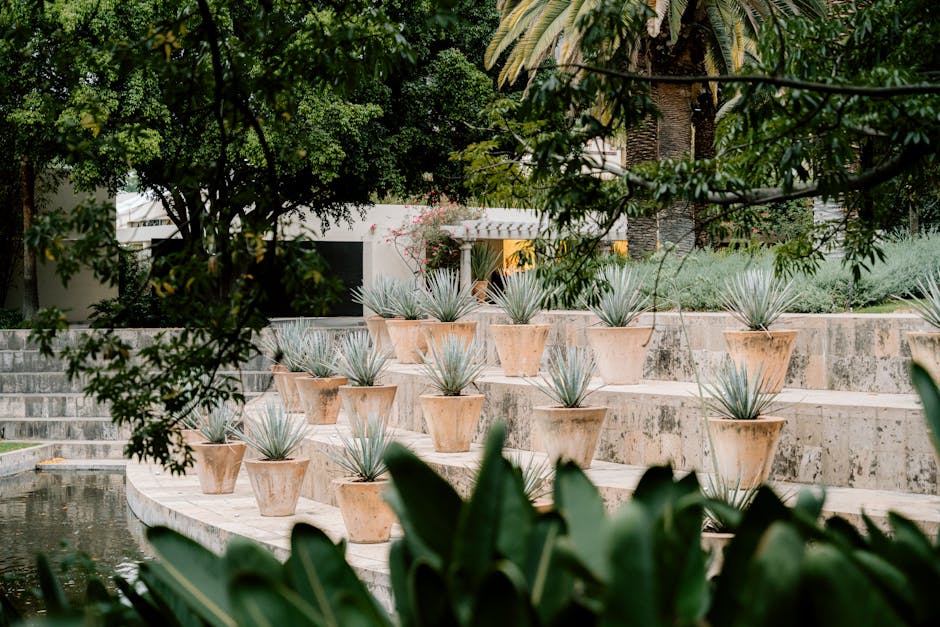
Comparison: Temporary vs. Permanent Arrangements
When planning your indoor plant arrangements ideas, decide if the display is for a specific event or a long-term fixture.
| Feature | Temporary Arrangement | Permanent Arrangement |
|---|---|---|
| Setup Time | Quick (15-30 mins) | Longer (1-2 hours) |
| Planting | Keep in nursery pots; hide with moss | Repotted into shared soil |
| Longevity | 10–14 days | Months to years |
| Best For | Dinner parties, holidays | Daily home decor |
| Maintenance | Individual watering | Shared watering schedule |
For more inspiration on how to set these up, see our indoor plant display ideas and small space plant styling ideas.
Low-Light “Shadescape” indoor plant arrangements ideas
Not every home is blessed with floor-to-ceiling windows. A “Shadescape” uses plants that have adapted to the forest floor, making them perfect for hallways or bathrooms.
We love combining Peace Lilies for height, Satin Pothos for that silvery trailing effect, and Bird’s Nest Sansevieria for a structural, low-profile center. These plants thrive in lower light and create a spa-like atmosphere in a bathroom. You can find more tips on creating a plant corner decoration even in the dimmest rooms.
Trendy Succulent and Snake Plant indoor plant arrangements ideas
If you are a “forgetful” waterer, this is the category for you. Snake plants (Sansevieria) are virtually indestructible and come in stunning varieties like the “Whale Fin” or the cylindrical “Starfish.”
For a minimalist desktop tray, try grouping dwarf Snake plants with colorful Echeveria. The architectural lines of the Snake plant provide a “modern” vibe that fits perfectly with modern indoor plant decor ideas and inspiration.
Vertical Gardens and Small Space Solutions
When floor space is at a premium, look up! Vertical gardening is one of the most effective indoor plant arrangements ideas for urban dwellers.
- Hanging Planters: Use macramé or sleek ceramic hangers to display trailing ivies.
- Upcycled Ladders: A vintage wooden ladder makes an excellent multi-tiered plant stand.
- Floating Shelves: Dedicate a wall to your collection. Check out our guide to indoor plant shelf styling to learn how to layer your plants without the shelf looking messy.
Choosing the Right Containers and Decorative Accents
The pot is the “outfit” for your plant. It should complement both the plant and your room’s decor.
When selecting indoor plant pots and planters, consider the material:
- Terra-cotta: Porous and breathable, perfect for succulents and cacti as it prevents soil from staying too wet.
- Ceramic: Retains moisture better, making it ideal for ferns and tropicals.
- Upcycled Items: Get creative! Old teapots, galvanized metal buckets, or rustic wooden crates add personality. Just remember to use a liner if the item isn’t waterproof.
If you find a beautiful pot without a drainage hole, don’t panic. You can use it as a cachepot—simply keep the plant in its plastic nursery pot and set it inside the decorative one. This makes watering much easier! For more tips, read about the best containers for indoor plants.
Enhancing Displays with Grow Lights and Toppings
Sometimes, the perfect spot for a plant arrangement is the darkest corner of the room. This is where full-spectrum grow lights come in. Modern grow lights are sleek and can be integrated into your decor, ensuring your plants get the “sunlight” they need to stay vibrant.
To give your arrangement a polished, professional look, use “top-dressings”:
- Sheet Moss: Hides plastic pots and keeps humidity in.
- Horticultural Grit or River Stones: Adds a clean, modern finish to succulent trays.
- Driftwood: Provides a natural, “forest floor” aesthetic.
- Fairy Lights: A magical touch for evening ambiance.
Using these accents is a key part of decorating with indoor plants to make them feel like a deliberate part of your home’s design.
Maintenance and Care for Grouped Displays
Grouping plants actually makes maintenance easier because it creates a microclimate. However, it does require a specific approach to keep everyone happy.
Watering Techniques: Don’t just water on a schedule. Use the finger test: stick your finger about an inch into the soil. If it’s dry, water it. If it’s still moist, wait a few days. Grouped plants often need less frequent watering because the increased humidity slows down evaporation.
Pest Control: Clustered plants can unfortunately hide pests like fungus gnats or mealybugs. We recommend checking the undersides of leaves once a week. If you see tiny “cottony” spots (mealybugs) or little flies (gnats), isolate the affected plant immediately to prevent it from spreading to the rest of the arrangement.
For more detailed advice on keeping your displays healthy, visit our indoor plant placement tips.
Avoiding Common Arrangement Mistakes
- Overcrowding: Plants need airflow. If they are packed too tightly, they are more prone to mold and pests.
- Light Mismatch: Placing a sun-loving succulent in a dark corner just because “it looks good there” is a recipe for a sad plant.
- Poor Drainage: Never let your plants sit in a pool of water inside a decorative pot. This leads to root rot, which is the #1 killer of houseplants.
- Neglecting Rotation: Plants grow toward the light. Rotate your pots every week to ensure they grow evenly rather than leaning to one side.
Frequently Asked Questions about Indoor Plant Styling
Which beginner-friendly plants are best for grouped arrangements?
If you’re just starting out, we suggest Snake Plants, ZZ Plants, Pothos, and Spider Plants. They are incredibly forgiving, tolerate various light levels, and don’t mind if you miss a watering every now and then. They also happen to look fantastic when grouped together!
How do I prevent root rot in containers without drainage holes?
The safest method is the pot-in-pot method. Keep the plant in a plastic pot with holes, and place that inside the hole-less decorative container. Alternatively, create a “drainage layer” at the bottom with an inch of gravel and activated carbon to soak up excess moisture, but be very careful not to overwater.
How long do temporary plant arrangements last?
A temporary arrangement—where plants are perhaps wrapped in moss or plastic rather than fully repotted—usually lasts about 10 to 14 days. After this, the plants should be moved back to their permanent homes to ensure their roots have enough space and air to breathe.
Conclusion
At Futuro Ciencia, we believe that every home has the potential to become a tranquil oasis. By using these indoor plant arrangements ideas, you aren’t just decorating a room; you’re creating a living environment that purifies your air and brightens your mood.
Whether you start with a simple trio of succulents on your desk or a grand vertical garden in your living room, the key is to have fun and experiment. Your plants will grow, and your styling skills will grow right along with them! For more inspiration and personalized care guides, explore more info about decor services.
