
Why Choose Native New York Houseplants for Your Urban Oasis?
When we think of houseplants, our minds usually drift toward the jungles of Brazil or the arid plains of Africa. But choosing native New York houseplants offers a unique set of benefits that tropical imports simply can’t match. In a city where “local” is a badge of honor—from our rooftop honey to our greenmarkets—it makes sense to extend that philosophy to our windowsills.
First, there is the matter of ecosystem resilience. While an indoor plant won’t necessarily be visited by a bee on the 12th floor of a Chelsea walk-up, the act of cultivating these species supports the nurseries and organizations that maintain New York’s genetic botanical diversity. According to NYC Parks, there are over 1,300 plant species native to the five boroughs. These plants have co-evolved with local wildlife for millennia. By focusing on natives, we move away from the “fast fashion” of the plant world—trendy, mass-produced tropicals—and toward species that have a historical right to be here.
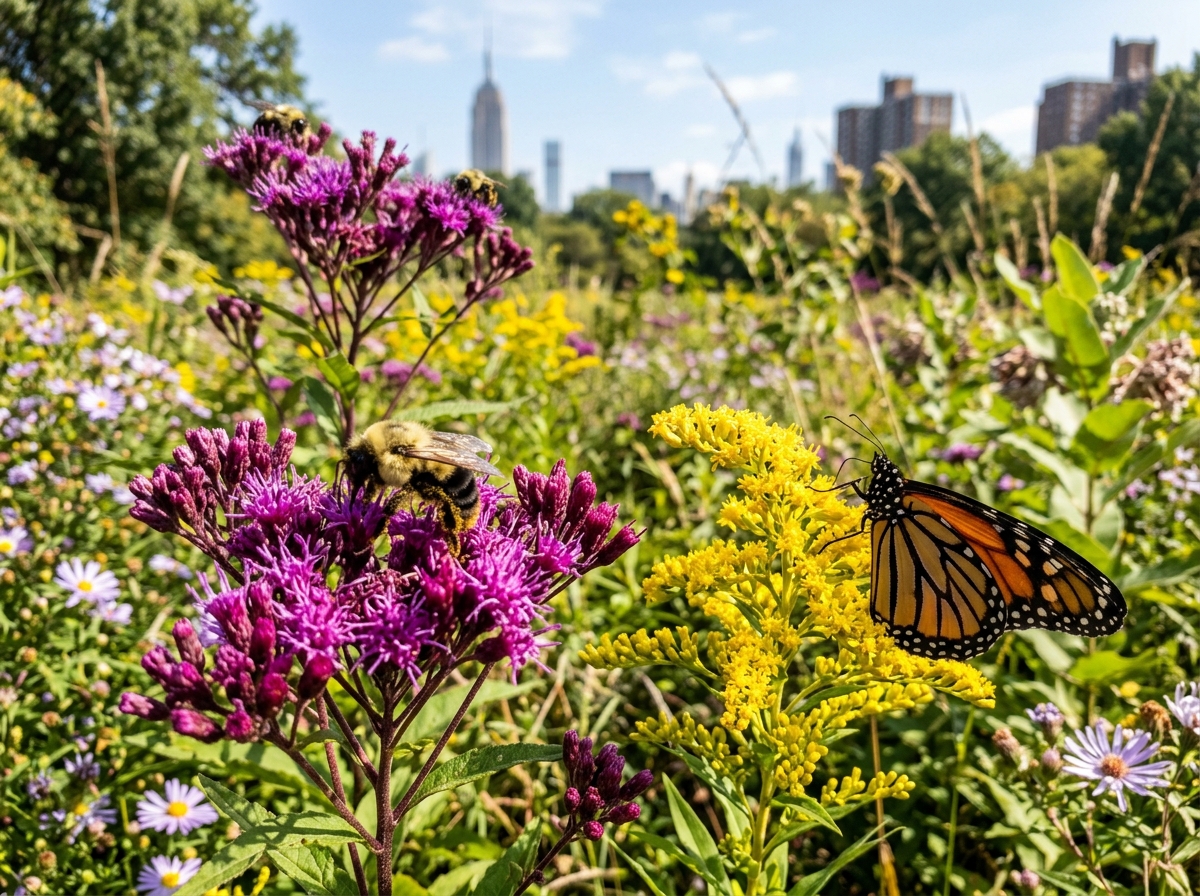
Local Law 11 of 2013 actually requires NYC to maximize the use of native plantings in public spaces to support biodiversity. We can follow that lead in our own homes. When we grow plants like New York Ironweed: Native Wildflower for Pollinators, we are participating in a broader movement to preserve the Mid-Atlantic’s natural heritage.
Furthermore, native plants often possess a quiet, understated beauty that reflects the changing seasons of the Northeast. While a Monstera looks the same year-round, many New York natives offer a shifting palette of spring greens and autumnal golds. For more tips on managing your indoor garden, check out our guide on indoor plant care for apartments.
Top Native New York Houseplants for NYC Apartments
Transitioning to native species requires a bit of a “re-wiring” of our typical plant care instincts. Most tropical houseplants thrive on “bright, indirect light” and high humidity. New York natives, however, are often adapted to the forest floor or rocky outcroppings.
| Plant Species | Light Requirement | Water Needs | Best Indoor Placement |
|---|---|---|---|
| Aralia racemosa (American Spikenard) | Low to Medium | Consistent Moisture | Shady corner / North window |
| Sedum ternatum (Woodland Stonecrop) | Bright Indirect | Low (Drought tolerant) | East or West windowsill |
| Rhus typhina ‘Laciniata’ (Cutleaf Sumac) | Bright Light | Moderate | Near a large, sunny window |
| Amsonia tabernaemontana (Eastern Bluestar) | Partial Shade | Moderate | Bright room, away from direct sun |
One of the most interesting candidates for indoor life is Aralia racemosa, also known as American Spikenard. In the wild, it is often found in ravines, ledges, and shaded forest clearings. This makes it naturally adapted to the lower light levels found in many NYC apartments. According to the Aralia racemosa – Species Page – NYFA: New York Flora Atlas, it is a “demonstrably secure” species in New York, meaning it is hardy and resilient. Its large, heart-shaped leaves provide a lush, tropical look without the high-maintenance humidity requirements of a Calathea. For those dealing with particularly dim spaces, see our list of low-light-indoor-plants-for-apartments-2.
Succulents and Rock Garden Stars: Native New York Houseplants
If you have a sunny windowsill and a tendency to forget your watering can, the native New York houseplants in the succulent family are your best friends. While we usually associate succulents with the desert, New York is home to about eleven species of Sedum.
The star of the show is Sedum ternatum, or Woodland Stonecrop. Unlike its desert cousins, this sedum is actually a woodland native, meaning it can handle slightly less light than a typical cactus. It creates a beautiful, low-growing mat of star-shaped white flowers in the spring. We recommend culturing these in a “rock garden” style pot—use a shallow terra cotta dish with plenty of grit and gravel in the soil mix to ensure excellent drainage. This is one of the best-indoor-plants-for-apartments because it handles the dry air of a heated New York apartment with ease.
Woodland Wonders and Ferns as Native New York Houseplants
For those who love the “forest floor” aesthetic, New York offers several stunning perennials and ferns. Amsonia tabernaemontana, or Eastern Bluestar, is a personal favorite. It is famous for its steel-blue, star-shaped flowers and its incredible golden fall color. While it is a perennial that typically needs a winter dormancy, it can be grown in large containers on balconies or very cool windowsills. As noted by the Bluestar: A Native Perennial with Spring Flowers and Fall Color – Brooklyn Botanic Garden, it is remarkably deer-resistant in the wild (thanks to its milky sap), and that same sap makes it quite hardy against common indoor pests.
Then there is the New York Fern (Parathelypteris noveboracensis). This fern is the quintessential woodland plant. Because it loves humidity and consistent moisture, it is a prime candidate for a large glass terrarium. In an open room, it might struggle with the dry radiator heat, but inside a glass vessel, it creates a self-sustaining micro-ecosystem that brings a piece of the Catskills into your living room. If you are looking for more low-light-indoor-plants-for-apartments, ferns are a classic choice that never goes out of style.
Overcoming the NYC Winter: Care Tips for Native Species
Winter in New York is notoriously hard on plants. We blast the radiators, which drops the humidity to desert-like levels (often below 20%), while the windowsills remain drafty and cold.
For native New York houseplants, the goal is to mimic their natural cycle without letting them freeze or desiccate. Here are our top tips:
- Humidity is Key: Aim for 40–50% humidity. Since our heaters dry out the air, use pebble trays—shallow trays filled with water and stones—underneath your pots. As the water evaporates, it creates a humid microclimate around the foliage.
- Light Management: NYC winter days are short and often gray. Move your plants as close to the window as possible, but ensure their leaves aren’t touching the cold glass. If your apartment is a “cave,” consider a full-spectrum grow light.
- Watering Adjustments: Most plants, including natives, slow down their growth in winter. Always check the top inch of soil; if it’s still damp, wait. Overwatering is the #1 killer of houseplants during a New York winter.
- Temperature Stability: Avoid placing plants directly on top of radiators or in the direct line of an AC/heating vent. Sudden temperature fluctuations cause stress and leaf drop.
For a deeper dive into seasonal adjustments, our guide on indoor-plant-care-for-apartments offers a month-by-month breakdown of what your greenery needs.
Ethical Sourcing and Sustainability in the Big Apple
As we embrace native New York houseplants, we must do so ethically. Plant poaching is a real and growing problem; rare succulents and wildflowers are often stripped from public lands to be sold on social media. We should never “rescue” a plant from a local park or forest. Not only is it illegal, but it also disrupts the local ecosystem.
Instead, look for reputable sources like the Greenbelt Native Plant Center or specialized nurseries that grow their stock from locally collected seeds. Buying “local ecotypes” ensures that the plants are genetically adapted to our specific region.
Ethical propagation is another wonderful way to expand your collection. If a friend has a healthy native plant, ask for a cutting! Many natives, like the Sedum species, are incredibly easy to grow from a small snippet. This reduces “plant miles”—the carbon footprint associated with transporting plants across the country in refrigerated trucks. For more on building a sustainable collection, see our tips on best-indoor-plants-for-apartments-2.
Frequently Asked Questions about Native New York Houseplants
Can New York Ironweed grow indoors?
Vernonia noveboracensis, or New York Ironweed, is a stunning plant that can reach heights of 8 feet in the wild! Because of this, it is a challenge for small apartments. However, if you have high ceilings and a very sunny spot, it can be grown in a large container. The key is height control—you can “pinch back” the stems in early June to encourage a bushier, shorter habit. It also requires consistently moist soil, so don’t let this one dry out. You can find more technical details in this Vernonia noveboracensis (New York Ironweed) fact sheet.
Which native NYC plants handle low light?
If your apartment faces a brick wall or a narrow alley, look to the woodland floor. Aralia racemosa is excellent for shaded spots. Native ferns and certain mosses also do well in north-facing windows or further back from the light source, provided they have enough humidity.
How do I prevent pests in NYC apartments?
The most common NYC pests are spider mites, which thrive in the dry heat of our apartments. To prevent them, wipe your plant’s leaves regularly with a damp cloth to remove dust and hitchhiking bugs. If an infestation starts, neem oil or insecticidal soap is usually enough to handle the problem without bringing harsh chemicals into your home.
Conclusion
Bringing native New York houseplants into your home is more than just a design choice; it’s a way to connect with the natural history of the land we live on. Whether you’re starting a miniature rock garden with Woodland Stonecrop or creating a lush corner with American Spikenard, these plants offer a resilient and sustainable alternative to traditional tropicals.
At Futuro Ciencia, we are dedicated to helping you transform your urban space into a tranquil, purifying oasis. By choosing species that belong here, you’re supporting local biodiversity and creating a home that feels truly connected to the spirit of New York.
Discover more expert tips at Futuro Ciencia’s indoor plant care hub
