
The Dusty Truth: Why Indoor Air Quality Matters More Than You Think
Air purifiers reduce dust effectively by capturing airborne particles before they ever land on your furniture, floors, or plant leaves.
Quick answer — here’s what air purifiers can do for dust:
- Capture up to 99.97% of airborne particles as small as 0.3 microns (True HEPA filters)
- Reduce airborne dust noticeably within 30–60 minutes of running
- Lower PM2.5 concentrations by up to 78.8% in the room where they’re placed
- Improve overall air quality by continuously cycling air through filtration
- Help with dust-related allergies by reducing allergens like pollen, pet dander, and dust mite particles
Note: Air purifiers target airborne dust — they don’t remove dust that has already settled on surfaces.
If you’re a busy urban homeowner, you already know the feeling. You clean your shelves, your floors, your plant pots — and two days later, everything is coated in a fine grey film again. It’s frustrating. And it’s not just an aesthetic problem.
According to the Asthma and Allergy Foundation of America, Americans spend up to 90% of their time indoors — where the air can carry dust, pollen, allergens, and even toxic particles. That same air circulates around your beloved houseplants, your furniture, and your lungs.
Household dust isn’t just dirt. It’s a mix of dead skin cells, textile fibers, mold spores, pet dander, dust mites, pollen, and even microscopic chemicals. Every time someone walks across a room, sits on a couch, or opens a window, more dust gets kicked back into the air.
That’s exactly where air purifiers come in.
Air purifiers reduce dust terms you need:
How Air Purifiers Reduce Dust in Your Home
To understand how air purifiers reduce dust, we have to look at the “magic” happening inside the machine. Most high-quality purifiers rely on mechanical filtration, specifically True HEPA (High-Efficiency Particulate Air) filters.
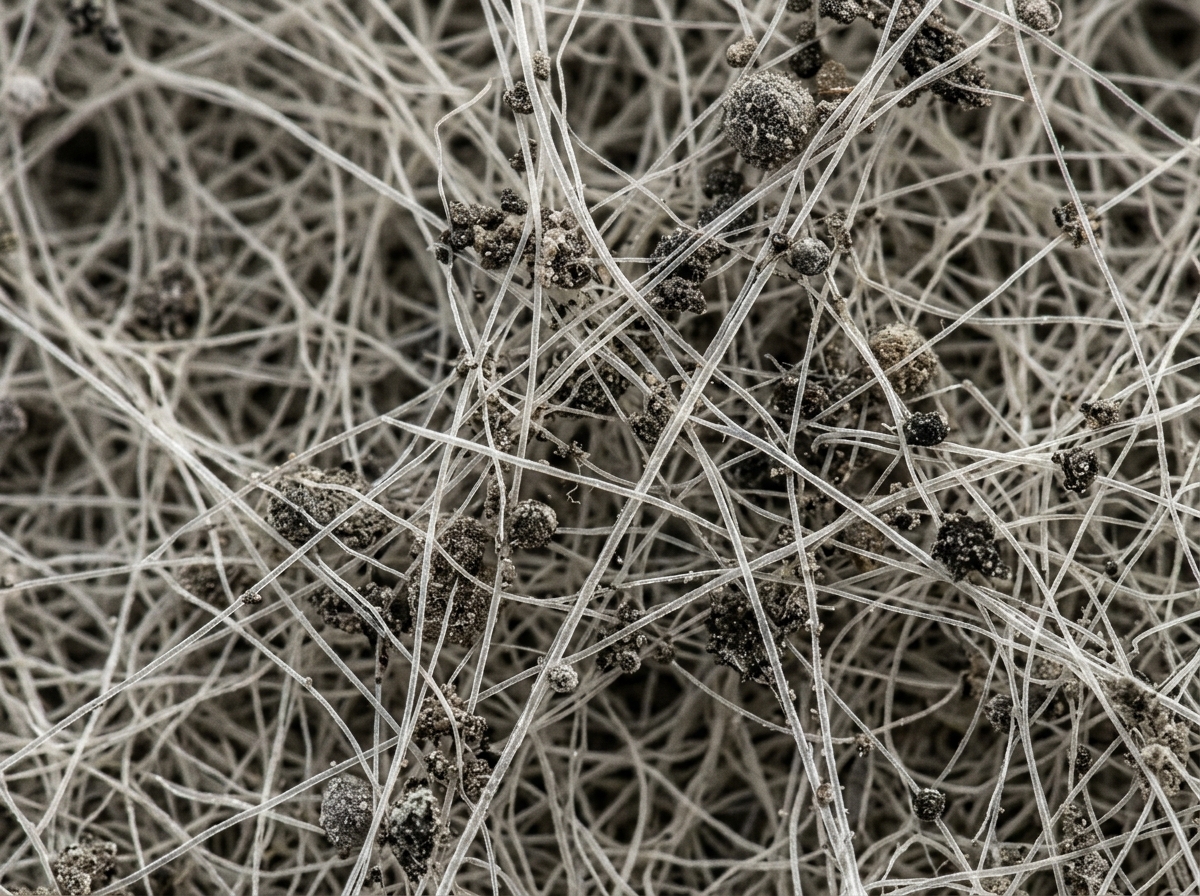
A HEPA filter isn’t just a simple screen; it’s a dense, chaotic web of glass fibers. When air is forced through this web, dust particles are trapped through three primary scientific mechanisms:
- Interception: This happens when a dust particle following the air stream comes within one particle radius of a fiber and “sticks” to it.
- Impaction: Larger dust particles are too heavy to follow the curving contours of the air stream and smash directly into the fibers.
- Diffusion: The smallest particles (like PM2.5) move erratically (Brownian motion), causing them to eventually collide with and stick to a fiber.
According to The effect of air purifiers on the reduction in indoor PM 2.5 concentrations, these devices are incredibly effective at lowering the concentration of fine particulate matter. In fact, HEPA filters are rated to remove 99.97% of particles as small as 0.3 microns. To put that in perspective, a human hair is about 50 to 70 microns wide!
Comparing Filtration Technologies for Dust
Not all purifiers are created equal. If your goal is specifically to keep your surfaces clean and your air breathable, you need to know which technology actually captures the “grey fluff.”
| Filter Type | Effectiveness for Dust | How it Works | Best For… |
|---|---|---|---|
| True HEPA | Highest | Physical trap for 99.97% of particles | Dust, pollen, pet dander |
| Activated Carbon | Low | Adsorption of gases and odors | Smoke, cooking smells, VOCs |
| Ionic / Ionizer | Moderate (Caution) | Charges particles so they stick to surfaces | Making dust “heavy” so it falls |
| Pre-Filter | High (Initial) | Large mesh to catch hair and lint | Extending the life of HEPA filters |
We generally recommend avoiding simple ionizers if your goal is a clean home. Why? Because ionizers don’t always remove the dust; they often just make it stick to your walls and floors, which defeats the purpose of “dust busting.”
Step-by-Step Guide to Eliminating Airborne Dust
Simply buying a machine and plugging it in isn’t enough. To ensure air purifiers reduce dust to their maximum potential, you need a strategy. We’ve broken this down into a simple “How-To” for your home.
Step 1: Calculate Your Room Size and ACH
Before you buy, you need to know the volume of air you’re dealing with. Look for the ACH (Air Changes per Hour) rating. For effective dust control, especially if you have allergies, you should aim for 5 ACH. This means the purifier filters all the air in the room every 12 minutes.
Step 2: Match the CADR to Your Space
The Clean Air Delivery Rate (CADR) tells you how fast the unit cleans the air. A good rule of thumb is to choose a unit with a dust CADR that is at least two-thirds of your room’s square footage. For example, if your room is 300 sq. ft., look for a CADR of at least 200.
Step 3: Strategic Placement
Don’t hide your air purifier behind a couch! As noted in Do Air Purifiers Help With Dust? Physician’s Guide, placement is critical for airflow patterns.
- Keep it 3 feet away from walls and furniture.
- Place it in high-traffic areas where dust is frequently kicked up.
- Avoid corners, which can create “dead zones” where air doesn’t circulate.
Step 4: Run It Continuously
Dust doesn’t take a day off, and neither should your purifier. Running your device on a low, quiet setting 24/7 is much more effective than blasting it on high for just one hour a day. Continuous operation ensures that as soon as you shed skin cells or your pet shakes their coat, the particles are pulled into the filter before they can settle.
Choosing the Right Specs so Air Purifiers Reduce Dust Effectively
When you’re shopping, the spec sheet can look like alphabet soup. Here is what we look for when we want to ensure our indoor oasis stays pristine:
- True HEPA vs. “HEPA-type”: Always insist on True HEPA. “HEPA-type” or “HEPA-like” filters are marketing terms and often fail to meet the 99.97% efficiency standard.
- AHAM Certification: Look for the AHAM Verifide seal. This means the CADR ratings have been independently tested and verified.
- Particle Sensors: Modern units often include built-in lasers that detect dust levels in real-time. According to Real-World Effectiveness of Portable Air Cleaners, these sensors allow the machine to ramp up its speed automatically when it detects a spike in dust (like when you’re making the bed).
- Noise Levels: Since you’ll be running this 24/7, look for a unit that operates below 30 dB on its lowest setting. This is roughly the sound of a whisper.
Maintenance Tips to Ensure Air Purifiers Reduce Dust Long-Term
An air purifier with a clogged filter is just a fancy, expensive fan. To keep your “dust buster” working, follow this maintenance schedule:
- Vacuum the Pre-Filter Every 2 Weeks: Most units have a mesh pre-filter that catches large “dust bunnies,” pet hair, and lint. Vacuuming this regularly prevents the main HEPA filter from getting choked.
- Replace HEPA Filters Every 6–12 Months: Depending on your environment (and if you have pets), you’ll need to swap the main filter annually. Check the manufacturer’s indicator light.
- Clean the Sensors: Every few months, use a cotton swab to gently clean the dust sensor lens. If the sensor is dirty, the “Auto Mode” won’t work correctly.
- Check the Seal: As highlighted in Do Air Purifiers Really Reduce Dust? Evidence & Best Practices, ensure the filter sits snugly in the housing. If air can leak around the filter, it isn’t being cleaned.
Top-Rated Air Purifiers for Maximum Dust Removal
While we love the natural power of plants, sometimes you need a mechanical boost for heavy-duty dust. Real-world testing has shown that top-tier models can improve air quality by 96% in just 60 minutes in standard-sized rooms.
Research into Assessing effectiveness of air purifiers (HEPA) confirms that mechanical HEPA filters are the gold standard for reducing indoor particulate pollution. Some of the most effective units on the market today feature:
- High CADR Ratings: Models with a dust CADR of 250–400 cfm are ideal for large living rooms.
- PC Fan Technology: Some newer, DIY-style or boutique purifiers use large computer fans (like the Luggable XL-7). These are incredibly quiet and move massive amounts of air for very little power.
- Smart Integration: Apps that tell you exactly when your air is “clean” can give you peace of mind and help you track your filter life accurately.
Beyond the Machine: A Holistic Approach to a Dust-Free Home
We believe in a “layered” approach to home wellness. Air purifiers reduce dust in the air, but they are only one part of the puzzle. To truly transform your home into a tranquil oasis, you need to combine technology with nature and smart habits.
The Power of Plants
At Futuro Ciencia, we specialize in the biological side of air quality. While a plant won’t “suck up” a dust bunny like a vacuum, certain species are incredible at capturing fine particulates on their leaves and even breaking down airborne toxins.
- Check out NASA’s secret list: the best air-cleaning plants for bedroom health to find species that thrive in low light while working for you.
- Explore Our favorite air filter plants indoor collections for a fresher home to see how to style these “green filters” in your space.
Smart Cleaning Habits
- Microfiber is King: Stop using feather dusters! They just move dust around. Microfiber cloths have a tiny “hook” shape that actually grabs and holds onto dust.
- HEPA-Sealed Vacuums: If your vacuum doesn’t have a HEPA filter, you are likely just sucking up dust and blowing the smallest, most irritating particles right back out the exhaust.
- Humidity Control: Keep your home between 30% and 50% humidity. If the air is too dry, dust stays airborne longer. If it’s too humid, you encourage dust mites and mold.
- The “No-Shoe” Policy: Up to 60% of the dust in your home comes from outside. Leaving your shoes at the door is the easiest way to stop dust before it starts.
Frequently Asked Questions About Dust and Air Purifiers
Do air purifiers eliminate settled dust on furniture?
Unfortunately, no. Once a dust particle has landed on your coffee table, it is too heavy for the air purifier’s fan to “suck” it off the surface. Air purifiers are preventative. They catch the dust while it is still floating. This means you will still need to dust your surfaces, but you’ll notice you have to do it much less frequently.
How quickly will I see results after turning on a purifier?
In a standard room, you should notice a difference in air “lightness” within 30 to 60 minutes. However, it takes about 2 to 4 weeks of continuous use to see a noticeable reduction in the amount of dust settling on your furniture.
Can air purifiers help with dust mite allergies?
Yes, but with a caveat. Dust mites themselves don’t fly; they live in carpets and bedding. However, their waste products and body parts can become airborne when you move a pillow or walk on a rug. A HEPA purifier will capture these microscopic triggers, providing significant respiratory relief for allergy sufferers.
Conclusion
Creating a clean, breathable home is a journey, not a one-time task. By understanding how air purifiers reduce dust and combining that technology with the natural purifying power of houseplants, you can reclaim your space from the “grey film” of urban life.
We are here to help you bridge the gap between high-tech filtration and high-touch nature. Whether you’re looking for the perfect HEPA unit or the best plant to sit beside it, the goal is the same: a tranquil, healthy oasis for you and your family.
Ready to dive deeper into indoor wellness? Become a member to access unlimited guides and exclusive site features and let us help you grow a fresher, cleaner home.
