
The Indoor Air Problem You Can’t See (But Plants Can Solve)
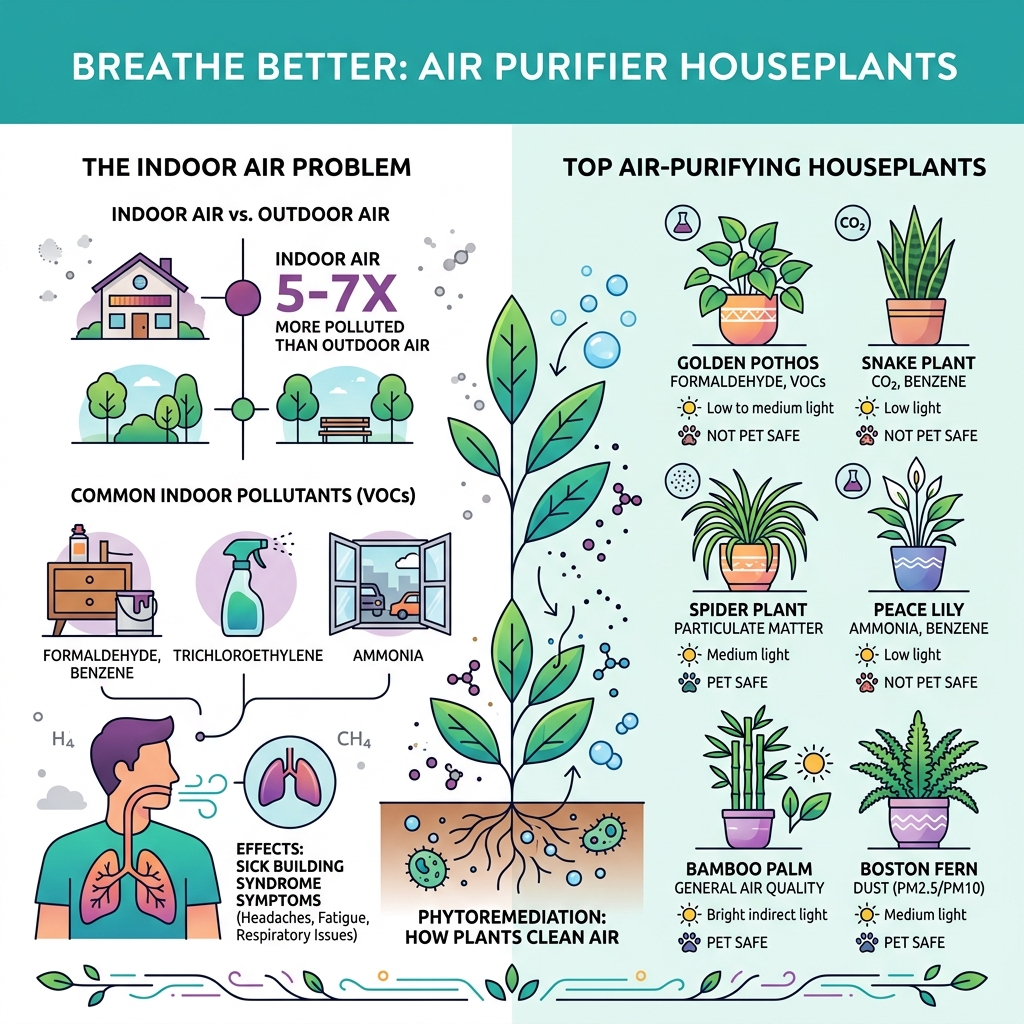
Air purifier house plants are the easiest, most affordable way to reduce toxic pollutants in your home. Here are the top picks to start with:
| Plant | Best For | Light Needs | Pet Safe? |
|---|---|---|---|
| Golden Pothos | Formaldehyde, VOCs | Low to medium | No |
| Snake Plant | CO2, benzene | Low | No |
| Spider Plant | Particulate matter | Medium | Yes |
| Peace Lily | Ammonia, benzene | Low | No |
| Bamboo Palm | General air quality | Bright indirect | Yes |
| Boston Fern | Dust (PM2.5/PM10) | Medium | Yes |
Here’s something that might surprise you: the air inside your home is likely far more polluted than the air outside.
Research shows indoor air can be 5 to 7 times more polluted than outdoor air. And since most of us spend roughly 85 to 90% of our time indoors, that’s a problem worth paying attention to.
Where does this pollution come from? Your furniture, cleaning products, paint, and building materials quietly release chemicals called volatile organic compounds (VOCs) — things like formaldehyde, benzene, and trichloroethylene. You can’t see them. You usually can’t smell them. But they’re there.
The good news? Certain houseplants are remarkably good at pulling these toxins out of the air through a process called phytoremediation — basically, they absorb pollutants through their leaves, roots, and the microbes in their soil.
One study found that Golden Pothos alone reduced indoor VOCs by 52% in just 24 hours. That’s a $20 plant doing serious work.
Why You Need Air Purifier House Plants in Your Home
We often think of air pollution as something that happens outside—smog over a city or exhaust from a highway. However, the reality is that the most dangerous air we breathe is often the air inside our own living rooms. This phenomenon is frequently linked to “Sick Building Syndrome,” where occupants experience acute health effects that seem linked to time spent in a building.
The culprits are microscopic but powerful. Formaldehyde is found in many wood floor adhesives and pressed-wood furniture. Benzene is a common solvent found in oils, paints, and rubber. Even the simple act of burning incense can release high levels of particulate matter.
The stakes are higher than a simple cough or itchy eyes. According to the World Health Organization, three million people die prematurely each year from diseases caused by household air pollution. This is why we believe that transforming your space with air purifier house plants is more than just a decor choice—it’s a wellness strategy.
The benefits of these plants are more than just folk wisdom. In a landmark 1989 study The benefits of these plants are more than just folk wisdom. In a landmark1989 study, NASA scientist Bill Wolverton highlighted that household plants could be a cost-effective solution to indoor air pollution. This study underscores the practical importance of incorporating plants into your living o…, researchers found that common indoor plants could filter out trace organic pollutants. NASA’s 1989 Clean Air Study NASA’s 1989 Clean Air Studyexplored natural ways to purify the air in small, unventilated spaces, like the International Space Station. While most of us will never leave our terrestrial home, the study’s findings are still important. The researchers report that certain indoor-grown plants could help… explored how these botanical guardians could keep astronauts healthy in sealed environments, and those same principles apply to our modern, energy-efficient (but often poorly ventilated) homes.
Top-Rated Varieties for Natural Air Filtration
When we look for the best air purifier house plants, we don’t just look for beauty. We look for scientific “muscle.” Not all plants are created equal when it comes to scrubbing the air.
The Heavy Hitters: Sansevieria and Spathiphyllum
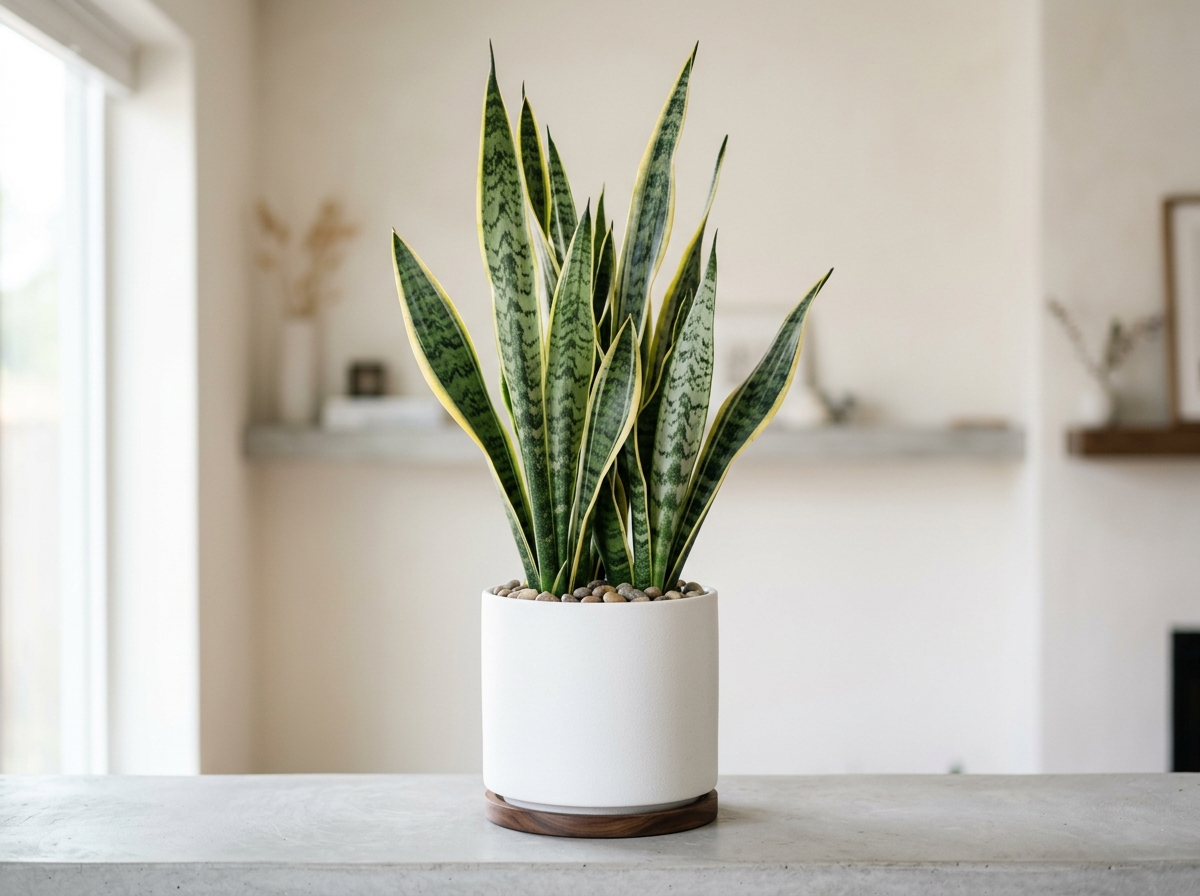
The Snake Plant (Sansevieria trifasciata) is a legend in the plant world. It has one of the highest carbon dioxide absorption rates recorded, measured at 0.201 ppm per square centimeter of leaf area. What makes it truly unique is that it performs a specific type of photosynthesis (CAM) that allows it to convert CO2 into oxygen at night, making it the perfect companion for your bedroom. It is particularly effective at targeting benzene and xylene.
The Peace Lily (Spathiphyllum) is another powerhouse. It is one of the few plants capable of removing trichloroethylene—a toxin often found in printing inks and lacquers—as well as ammonia. For a broader look at the varieties available, you can browse this complete list of plants For more information, check outthis complete list of plantsyou can use to clean your indoor air. Or watch thisgreat video(5 minutes) about a gentleman who uses plants to grow his own fresh air..
Golden Pothos: The Beginner’s Air Purifier House Plant
If you are new to indoor gardening, the Golden Pothos (Epipremnum aureum) is our top recommendation. It is incredibly hardy and can survive significant neglect while still working overtime to clean your air.
Scientific research on Pothos Comparative evaluation of air phytoremediation potential of four ornamental potted plants for ecofriendly biofilter applications | Scientific Reports confirms its efficiency. In studies, Golden Pothos has been shown to reduce formaldehyde levels by a staggering 81% to 96% within a 24-hour window. It thrives in low-light-indoor-plants-for-apartments, making it ideal for those corners of your home that don’t get much sun.
Spider Plant: The Pet-Safe Air Purifier House Plant
For those of us with curious cats or dogs, safety is the number one priority. The Spider Plant (Chlorophytum comosum) is completely non-toxic and incredibly effective. It specializes in removing particulate matter and carbon monoxide from the air.
Spider plants are excellent for kitchens or rooms with fireplaces. They are also among the easy-to-grow-indoor-plants that we recommend for busy households. They produce “pups” or smaller plantlets that you can easily propagate to grow your own fresh air in every room.
The Science and Care of Indoor Air Purification
How exactly does a plant “clean” the air? It’s not just magic—it’s a complex biological process known as phytoremediation.
The Three-Step Cleaning Process
- Stomatal Uptake: Plants have tiny pores on their leaves called stomata. During normal gas exchange, they “breathe in” pollutants along with CO2.
- Adsorption: Particulate matter, like dust and smoke, sticks to the surface of the leaves. Plants with rough or hairy leaves, like the Boston Fern or Monstera, are particularly good at this.
- Root Microbes: This is the unsung hero of air purification. Toxins are often moved down to the root system, where soil-dwelling microbes break them down into food for the plant.
Comparative Pollutant Removal Rates
To help you choose, here is how some of our favorites compare based on recent scientific findings:
| Plant Variety | Formaldehyde Removal | Benzene Removal | Dust/PM Reduction |
|---|---|---|---|
| Golden Pothos | High (80%+) | Moderate | Moderate |
| Snake Plant | Moderate | High | Low |
| Spider Plant | Moderate | Moderate | High |
| Boston Fern | Very High | Low | Very High |
| English Ivy | Moderate | Very High | Moderate |
Essential Care for Maximum Effectiveness
A healthy plant is a hard-working plant. If your plant is covered in dust or struggling to survive, its purification abilities drop significantly. Here is our guide to keeping your botanical filters in peak condition:
- Light Requirements: Every plant has a “sweet spot.” While some are indoor-plants-that-thrive-in-low-light, others need bright, indirect sun to perform photosynthesis efficiently. You can check our detailed guide on indoor-plant-light-requirements to match your plant to your window.
- Watering and Humidity: Overwatering is the most common cause of plant death. We suggest checking the soil moisture before every watering. Some plants, like the Boston Fern, require high humidity to keep their dust-trapping fronds healthy, while the Snake Plant prefers much drier conditions.
- Soil and Nutrition: Use well-draining soil to prevent root rot. During the growing season, a balanced fertilizer provides the nutrients your plants need to grow larger leaves, which in turn increases their air-cleaning surface area.
- Leaf Maintenance: This is a crucial “pro tip.” Regularly wipe the leaves of your plants with a damp cloth. This removes accumulated dust and ensures the stomata aren’t blocked, allowing the plant to breathe and filter pollutants effectively.
Frequently Asked Questions about Air Purifying Plants
Are air-purifying plants safe for cats and dogs?
This is one of the most important questions we get. While many air purifier house plants are effective, some can be toxic if ingested.
- Safe Options: Spider Plants, Bamboo Palms, Boston Ferns, and Areca Palms are all pet-friendly.
- Toxic Options: Pothos, Snake Plants, and Peace Lilies contain calcium oxalate crystals which can cause irritation or illness if chewed on. If you have pets, we recommend placing these varieties on high shelves or in hanging baskets where they are out of reach.
How many plants do I need to clean a room?
The original NASA research suggested 15 to 18 medium-sized plants for an 1,800-square-foot home. For a standard 10×10 room, we recommend at least two to three healthy plants in 8-to-10-inch pots.
The more leaf surface area you have, the better the results. Larger plants like the Areca Palm or a tall Fiddle Leaf Fig provide much more “filtering power” than a small succulent. To see a fascinating real-world application of this, watch this great video For more information, check outthis complete list of plantsyou can use to clean your indoor air. Or watch thisgreat video(5 minutes) about a gentleman who uses plants to grow his own fresh air. about growing your own fresh air.
Do plants work as well as mechanical air purifiers?
It’s important to be realistic. A single plant won’t replace a high-end HEPA filter in terms of speed. Mechanical purifiers are excellent for rapid removal of smoke or allergens. However, plants offer a passive, 24/7 sustainable solution that mechanical filters can’t match.
While purifiers consume electricity and require expensive filter replacements, plants actually grow and become more effective over time. We recommend a hybrid approach: use a mechanical purifier for heavy-duty cleaning and fill your home with air purifier house plants for continuous, long-term health benefits and stress reduction.
Beyond the Air: The Well-being Bonus
At Futuro Ciencia, we believe the value of plants goes far beyond chemistry. Introducing greenery to your home has been shown to foster a healthier atmosphere, potentially enhancing focus and productivity among employees productivity among employees Consider extending the benefits of air-purifying plants toyour workplace. Introducing these plants to office settings can foster a healthier atmosphere, potentially enhancing focus andproductivity among employees. in office settings.
Plants offer:
- Stress Reduction: Simply looking at greenery can lower cortisol levels.
- Natural Humidity: Plants release moisture through transpiration, which can help prevent dry skin and respiratory irritation during winter months.
- Aesthetic Beauty: They turn a house into a home, creating a “tranquil oasis” in the middle of a busy city.
Troubleshooting Common Issues
Even hardy-indoor-plants-for-busy-people can run into trouble. Here is how to be a “green detective”:
- Yellowing Leaves: Often a sign of overwatering or poor drainage. Ensure your pot has holes!
- Brown, Crispy Edges: This usually indicates low humidity or underwatering. Try misting your plant or using a pebble tray.
- Drooping: For a Peace Lily, this is a dramatic way of saying “I’m thirsty.” For others, it might be a sign of indoor-plant-care-for-low-light issues where the plant isn’t getting enough energy.
Conclusion: Start Your Indoor Jungle Today
The journey to a healthier home doesn’t have to be expensive or complicated. By choosing the right air purifier house plants, you are taking a scientifically-backed step toward protecting your family from invisible toxins while brightening your living space.
Whether you start with a single, easy-indoor-plants-for-beginners Golden Pothos or create a lush collection of Palms and Ferns, the results are the same: cleaner air and a more peaceful mind.
At Futuro Ciencia, we are here to help you every step of the way. We provide detailed indoor-plants-that-survive-neglect guides and personalized care schedules to ensure your new “botanical roommates” thrive. Let’s work together to transform your home into a vibrant, oxygen-rich sanctuary.
Ready to breathe easier? Start your collection today and experience the difference that nature can make.
