
Why Your Plants Are Begging You to Skip the Store-Bought Stuff
Natural fertilizers homemade recipes are one of the easiest ways to feed your plants better, spend less money, and stop worrying about harsh chemicals in your home or garden.
Here are the most popular and effective options you can make right now:
| Recipe | Main Nutrient | Best For | Brew Time |
|---|---|---|---|
| Compost tea | N-P-K balanced | All plants | 24-48 hours |
| Banana peel soak | Potassium (K) | Tomatoes, roses, fruiting plants | 2-3 days |
| Coffee grounds | Nitrogen (N) | Acid-lovers, leafy greens | Ready to use |
| Eggshell water | Calcium | Seedlings, brassicas | 24 hours |
| Weed tea | N-P-K + sulfur | Vegetables, containers | 4-5 weeks |
| Epsom salt mix | Magnesium | Yellowing plants, peppers | Ready to use |
| Aquarium water | Nitrogen | Houseplants, seedlings | Ready to use |
| Rice water | Starch + trace NPK | All plants, especially indoors | Ready to use |
Most gardeners reach for a bag of synthetic fertilizer without thinking twice. But those products can leach into groundwater, disrupt soil life, and cost a lot over time.
The good news? Your kitchen and garden already hold everything you need.
Coffee grounds, banana peels, eggshells, weeds — these everyday scraps are packed with the nitrogen, phosphorus, and potassium your plants crave. Unlike synthetic options, homemade organic fertilizers release nutrients slowly, which means less risk of burning your plants and better long-term soil health.
Whether you have a single potted monstera on a windowsill or a backyard vegetable patch, there’s a simple recipe here that fits your schedule.
Why Choose Natural Fertilizers Homemade Recipes?
At Futuro Ciencia, we believe your home should be a tranquil oasis filled with vibrant, healthy plants. But keeping those plants thriving shouldn’t come at the cost of the environment—or your wallet. Choosing natural fertilizers homemade recipes over commercial synthetic options is a win-win for you and Mother Earth.
First, let’s talk about the “slow-burn” benefit. Synthetic fertilizers are like a sugary energy drink for plants; they provide a quick spike of nutrients that can actually stress the plant or “burn” the roots if over-applied. In contrast, organic homemade fertilizers break down and release nutrients over an extended period. This protects the environment because those nutrients stay in the soil where they belong rather than washing away into rivers, lakes, and groundwater.
Furthermore, using kitchen scraps supports carbon sequestration. By returning organic matter to the soil instead of throwing it in the trash, we help the soil store carbon and build a better structure. This encourages beneficial microbes and earthworms to move in, creating a living ecosystem right in your pots or garden beds. Plus, it’s the ultimate form of waste reduction—turning yesterday’s coffee and banana peels into tomorrow’s lush green leaves.
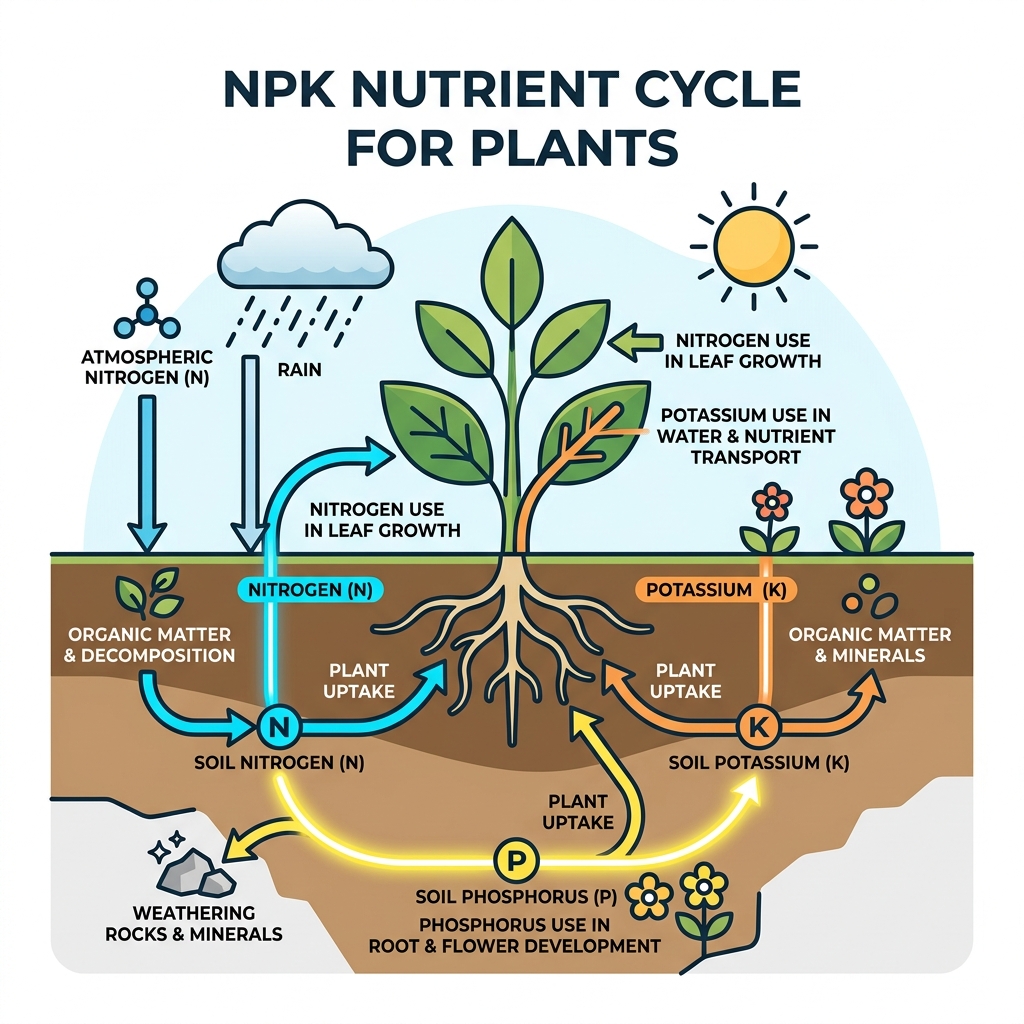
Understanding Plant Nutrition: The NPK Essentials
Before we dive into the recipes, we need to understand what our leafy friends are actually eating. Most fertilizer bags have three numbers on them, like 10-10-10. This is the NPK ratio:
- Nitrogen (N): The “Up” nutrient. It’s responsible for lush, green foliage and stem growth. If your plant looks pale or stunted, it probably needs a nitrogen boost.
- Phosphorus (P): The “Down” nutrient. This focuses on everything below the surface—strong root systems—and everything “showy,” like flowers and seeds.
- Potassium (K): The “All-Around” nutrient. It regulates the plant’s internal “circulatory system,” helping with water movement, disease resistance, and fruit quality.
Beyond NPK, plants need “multivitamins” like Calcium for strong cell walls (preventing things like blossom end rot in tomatoes) and Magnesium for photosynthesis.
| Household Scrap | Primary Nutrients | Secondary Benefits |
|---|---|---|
| Banana Peels | Potassium (K) | Phosphorus, Magnesium |
| Coffee Grounds | Nitrogen (N) | Trace minerals, slight acidity |
| Eggshells | Calcium (Ca) | Neutralizes acidic soil |
| Grass Clippings | Nitrogen (N) | Potassium, Phosphorus |
| Wood Ash | Potassium (K) | Calcium, raises pH |
| Seed Meals | Nitrogen (6-3-2 NPK) | Protein-based slow release |
10 Best Natural Fertilizers Homemade Recipes for Every Garden
Ready to get cooking? Here are our favorite natural fertilizers homemade recipes that you can whip up using items you likely already have.

1. The Banana Peel Potassium Power-Up
Banana peels are a goldmine for potassium. We love this for roses and tomatoes.
- The Recipe: Chop up 2-3 banana peels and soak them in a quart of water for 48 hours.
- Application: Strain the liquid and pour it directly onto the soil. You can also dry the peels in the sun, grind them into a powder, and sprinkle them around the base of your plants.
2. The “Used” Coffee Ground Boost
Coffee grounds are roughly 2% nitrogen by volume. Contrary to popular belief, used grounds are usually near-neutral in pH because the acid washes into your cup!
- The Recipe: Take your used, dry grounds and sprinkle them thinly onto the soil surface.
- Best For: Blueberries, azaleas, and leafy greens. Don’t overdo it—think of it like seasoning food with salt.
3. Eggshell Calcium Crunch
Eggshells are almost pure calcium carbonate.
- The Recipe: Rinse your shells and let them dry completely. Grind them into a fine powder using a blender or mortar and pestle.
- Application: Mix the powder into the soil when planting or sprinkle it around the base of broccoli and peppers.
4. Epsom Salt Magnesium Mist
If your leaves are turning yellow but the veins stay green, your plant might be magnesium deficient.
- The Recipe: Dissolve 1 tablespoon of Epsom salt in a gallon of water.
- Application: Use as a foliar spray (misting the leaves) once a month. It works wonders for roses and peppers!
5. Aquarium Water “Gold”
If you have a fish tank, don’t pour that “dirty” water down the drain during a water change!
- The Recipe: Use the water straight from the tank. It’s rich in nitrogen and beneficial bacteria from fish waste.
- Best For: Houseplants and seedlings. Just make sure it’s freshwater, not saltwater!
6. Grass Clipping Mulch
Fresh green plant material is about 90 percent water and packed with nitrogen.
- The Recipe: Spread a thin layer (about an inch) of dried, herbicide-free grass clippings over your garden beds.
- Benefit: As they decompose, they feed the soil and help retain moisture.
7. The “Weed Tea” Ferment
Weeds are “nutrient miners”—their deep roots pull minerals from deep in the earth.
- The Recipe: Fill a bucket halfway with pulled weeds (stinging nettle and comfrey are the best). Fill with water, cover with a mesh to keep out mosquitoes, and let sit for 4-5 weeks.
- Application: Warning: it will be stinky! Dilute the “tea” 1:10 with water before using.
8. Rice Water Refresh
The water you use to rinse your rice is full of starches and trace NPK.
- The Recipe: Save the cloudy water from your next rice meal.
- Best For: Indoor plants. It’s a very gentle fertilizer that won’t burn sensitive roots.
9. Simple Compost Tea
This is the ultimate balanced “superfood” for plants.
- The Recipe: Add a few handfuls of well-aged compost to a bucket of rainwater. Steep for 24 hours, stirring occasionally.
- Application: Strain and use as a soil drench. It’s perfect for giving a boost to container plants.
10. Wood Ash Potassium Sprinkle
If you have a fireplace, those ashes are valuable.
- The Recipe: Use only untreated wood ash.
- Caution: Ash is very alkaline. Use it sparingly (about a handful per plant) to boost potassium, but avoid it on acid-loving plants like blueberries.
Best Natural Fertilizers Homemade Recipes for Houseplants
When it comes to our indoor oases, we have to be a bit more careful. No one wants their living room to smell like a “Weed Tea” ferment! For indoor greenery, we recommend odor-free options.
Fertilizing houseplants naturally requires a gentle touch because nutrients can leach out of pots quickly during watering. Rice water and aquarium water are fantastic because they are virtually odorless. Another great option is liquid seaweed; while it has a slight “ocean” scent for an hour, it provides essential growth hormones that help indoor plants resist stress.
Worm castings (the fancy name for worm poop) are also an indoor gardener’s best friend. They are completely odorless and can be mixed directly into the top inch of soil. This provides a steady, slow-release source of nutrients that keeps your Monstera or Snake Plant looking vibrant without the risk of chemical buildup.
Advanced Natural Fertilizers Homemade Recipes: The Complete Organic Mix
For those with larger gardens or a serious indoor collection, you might want to mix a “Complete Organic Fertilizer” (COF). This recipe, popularized by gardening experts like Steve Solomon, ensures a balanced delivery of all essential nutrients.
The COF Recipe (by volume):
- 4 parts Seed Meal (like soybean or alfalfa meal—typically 6-3-2 NPK)
- 1/2 part Agricultural Lime
- 1/2 part Gypsum
- 1/2 part Dolomitic Lime
- 1 part Bone Meal or Rock Phosphate
- 1/2 to 1 part Kelp Meal
This mix automatically distributes about 50 pounds of lime per 1,000 square feet each year when used as recommended, helping to balance soil pH over time. For medium-demand vegetables, apply about 4-6 quarts of this mix per 100 square feet.
If you are looking for the perfect base for this mix, check out our guide on the best soil for indoor plants to ensure your drainage and aeration are top-notch before you start feeding.
How to Apply and Store Your DIY Plant Food Safely
Making the fertilizer is only half the battle; how you apply it determines whether your plants thrive or dive.
Dilution is Your Best Friend
Most homemade liquid fertilizers, especially fermented ones like weed tea or manure tea, are very concentrated. A good rule of thumb is a 1:10 dilution ratio (one part fertilizer to ten parts water). If the liquid looks like “weak tea,” you’re usually on the right track. For very sensitive plants or young seedlings, go even lighter—a 1:20 ratio.
Foliar Feeding vs. Soil Drenching
- Soil Drenching: Pouring the liquid directly onto the soil. This is the best way to deliver NPK to the roots.
- Foliar Feeding: Spraying a fine mist onto the leaves. This is great for a quick “pick-me-up” (like with Epsom salts), as plants can absorb nutrients through their stomata (pores). Safety Tip: Never foliar feed with manure-based teas or compost teas to avoid inhaling potential microbes.
Application Frequency
During the active growing season (spring and summer), we recommend applying liquid fertilizers every 2 weeks. In the fall and winter, most plants go dormant and don’t need the extra calories—so give them (and yourself) a break!
Storage and Safety
- Storage: Store your liquid fertilizers in a cool, dark place. Sunlight can cause algae growth or break down the nutrients.
- Pressure Warning: Fermenting liquids produce gas. If you store them in a sealed bottle, be sure to “burp” the bottle (open it slightly to let gas out) every few days so it doesn’t explode.
- Safety: Always wear gloves when handling ferments or animal manures. Wash your hands thoroughly afterward. To prevent pathogens, ensure any animal manure used is “well-rotted” (aged for at least 6 months).
Frequently Asked Questions about Homemade Plant Food
How long do homemade fertilizers take to brew and how should they be stored?
Brewing time varies wildly! A simple rice water or aquarium water “brew” is ready instantly. Banana peel tea takes 2-3 days, while a potent weed tea needs 4-5 weeks to fully decompose and release its mineral wealth.
For storage, dry fertilizers (like crushed eggshells or COF) can last for years if kept in an airtight, dry container. Liquid fertilizers are best used within a few weeks, though seaweed and some fermented teas can last up to a year if kept in a cool, dark spot. If it starts to smell like “rotten eggs” rather than “earthy,” it’s likely gone bad—toss it on the compost pile and start fresh.
Can I use these recipes on all types of plants, including acid-lovers?
Most of these recipes are general-purpose, but some plants have specific tastes.
- Tomatoes: Love the potassium from banana peels and the calcium from eggshells.
- Roses: Adore magnesium (Epsom salts) for those big, vibrant blooms.
- Acid-Lovers (Blueberries, Azaleas): They appreciate coffee grounds. However, avoid adding wood ash or too much lime to these plants, as it will raise the pH and make them unhappy.
- Succulents: These guys are light eaters. Dilute any homemade fertilizer to 1/4 strength to avoid “bloating” their fleshy leaves.
How do I know if my homemade fertilizer is working?
The plants will tell you! Look for these signs:
- Leaf Color: Within a week or two of a nitrogen boost, pale leaves should turn a deep, healthy green.
- New Growth: Look for fresh “flushes” of leaves or new buds appearing.
- Root Development: If you can see the roots (like in a clear pot or during repotting), they should look white and fuzzy, not brown or slimy.
- Resilience: Your plants should stand taller and seem less affected by minor temperature changes or dry spells.
If you’re unsure, you can always perform a soil test. These inexpensive kits will tell you exactly which nutrients are lacking, so you can tailor your natural fertilizers homemade recipes to your garden’s specific needs.
Conclusion
At Futuro Ciencia, we believe that gardening should be a journey of connection—with your plants, your home, and the planet. By mastering natural fertilizers homemade recipes, you aren’t just saving a few dollars; you are participating in a sustainable cycle that turns waste into wonder.
From the simple magic of rice water to the advanced balance of a Complete Organic Fertilizer, these DIY solutions provide everything your indoor and outdoor plants need to thrive. The best fertilizer is the one that fits your lifestyle and makes your plants smile.
Ready to transform your home into a lush, green sanctuary? Start your indoor plant care journey today with our expert guides and schedules. Happy growing!
