
Why Easy Indoor Flowering Plants Are Perfect for Busy People
Easy indoor flowering plants are the simplest way to add color and life to your home — even if you’ve killed every plant you’ve ever owned.
Here’s a quick look at the best options to get you started:
| Plant | Light Needs | Watering Frequency | Blooms Last |
|---|---|---|---|
| Peace Lily | Low to medium indirect | Weekly | Weeks |
| Kalanchoe | Bright indirect | Every 2-3 weeks | 6-8 weeks |
| African Violet | Bright indirect | When top inch is dry | Year-round |
| Anthurium | Bright indirect | When top inch is dry | 2-3 months |
| Moth Orchid | Bright indirect | Weekly | Several months |
| Holiday Cactus | Bright indirect | When top inch is dry | Weeks |
Most of these plants need less attention than you think. No green thumb required.
The problem most busy people face isn’t caring too little — it’s not knowing which plants can handle a forgotten watering or a dimly lit apartment. The wrong plant becomes a source of stress. The right one practically takes care of itself.
The good news? There’s a whole category of flowering houseplants built for exactly this kind of lifestyle. They bloom for weeks or even months, they tolerate some neglect, and they make any room feel more welcoming the moment you bring them home.
Below, we’ll walk you through the best options, what each one needs, and how to keep them blooming longer.
The Best Easy Indoor Flowering Plants for Beginners
Starting an indoor garden shouldn’t feel like a full-time job. We believe that the best easy indoor flowering plants are those that offer high visual rewards for very low physical effort. When we look for beginner-friendly blooms, we prioritize plants that have long-lasting flowers, clear signals for when they need water, and a general “toughness” against common household conditions.
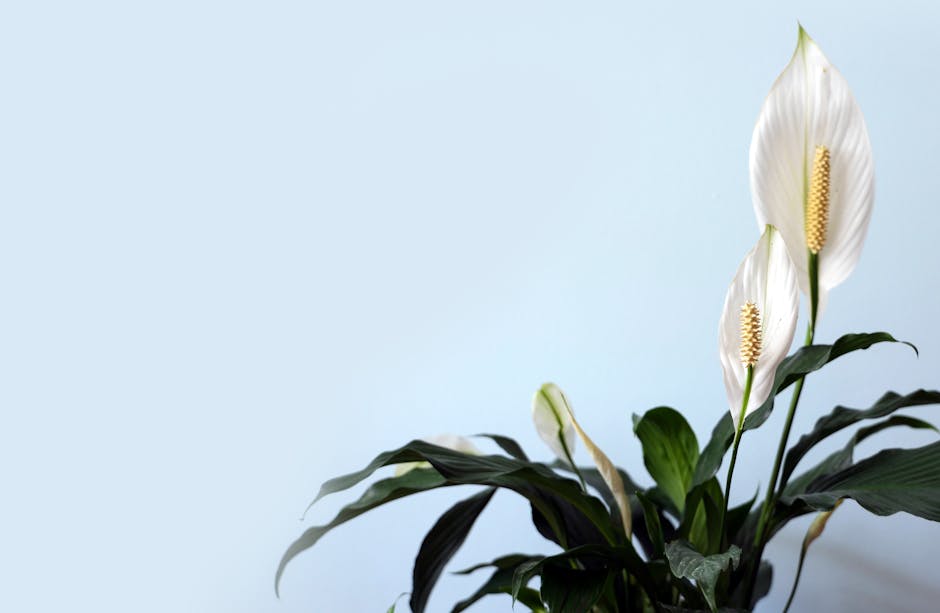
Take the Peace Lily, for example. It is perhaps the most famous “communicator” in the plant world. If you forget to water it, the leaves will dramatically droop, telling you exactly what it needs. Once you give it a drink, it perks back up within hours. Its white spathes (which are actually modified leaves, though we call them flowers) can last for weeks, adding a touch of elegance to any corner.
Then there is the Kalanchoe. These are succulents, meaning they store water in their thick, rubbery leaves. If you are the type of gardener who forgets to water for two weeks at a time, the Kalanchoe is your best friend. Its clusters of tiny flowers come in vibrant oranges, pinks, and yellows, and they can stay in bloom for up to two months.
For those who want something that feels a bit more “designer,” the Anthurium (or Flamingo Flower) is a fantastic choice. It is officially the world’s longest-blooming plant. A single spathe can last for several months, and with the right light, it can produce new ones year-round.
If you are looking for more variety, you can find a wealth of low maintenance flowering indoor plants that fit perfectly into a “lazy” gardening schedule.
Top 10 Easy Indoor Flowering Plants for Beginners
If you’re ready to go shopping, here is our curated list of the top 10 easy indoor flowering plants that are almost impossible to mess up:
- Peace Lily (Spathiphyllum): Thrives in low to medium light and cleans the air.
- Kalanchoe: A drought-tolerant succulent with flowers that last 6–8 weeks. Check out this Kalanchoe fact sheet for more details.
- African Violet: These can bloom year-round. They stay small, making them perfect for desks or windowsills.
- Anthurium: Known for heart-shaped, waxy “flowers” that last for months.
- Moth Orchid (Phalaenopsis): Don’t let the “orchid” name scare you; these are incredibly hardy and can bloom for three months straight.
- Hoya (Wax Plant): These have stunning, star-shaped, fragrant flower clusters and thick, waxy leaves that store water.
- Bromeliad: Related to the pineapple, these have exotic, colorful bracts that can last up to six months.
- Lipstick Plant: Named because the red tubular flowers emerge from a dark “tube,” looking just like a tube of lipstick.
- Cape Primrose (Streptocarpus): A relative of the African violet that is even more tolerant of lower light.
- Holiday Cactus (Christmas/Thanksgiving Cactus): These are long-lived plants often passed down through generations, blooming reliably every winter.
Pet-Friendly Easy Indoor Flowering Plants
We know that for many of us, our “roommates” have four legs and a tendency to nibble on greenery. Safety is a top priority. Unfortunately, some popular plants like the Peace Lily and Anthurium are toxic to cats and dogs if ingested.
However, there are plenty of stunning easy indoor flowering plants that are completely non-toxic. Here is a comparison of some of our favorite pet-safe options:
| Pet-Safe Plant | Best Light | Watering Tip |
|---|---|---|
| African Violet | Bright Indirect | Bottom-water to keep leaves dry |
| Hoya | Bright Indirect | Let soil dry out completely |
| Moth Orchid | Bright Indirect | Water weekly; don’t let it sit in water |
| Lipstick Plant | Bright Indirect | Keep soil consistently moist but not soggy |
| Bromeliad | Bright Indirect | Keep the central “cup” filled with water |
| Holiday Cactus | Bright Indirect | Water when the top inch of soil is dry |
By choosing from this list, you can enjoy a vibrant, flowering home without worrying about your furry friends’ safety.
Essential Care for Easy Indoor Flowering Plants
While these plants are “easy,” they aren’t plastic. They still have a few basic needs to keep them from pouting. The most important factor for almost all easy indoor flowering plants is light.
Most flowering plants are like solar-powered batteries; they need light to produce the energy required for blooms. Bright, indirect light is the gold standard. This means a spot near an east-facing window where they get gentle morning sun, or a south-facing window with a sheer curtain to block the harsh afternoon rays. If you put them in a dark corner, they might survive, but they likely won’t flower.
When it comes to watering, the “top-inch dry” rule is your best defense against the #1 plant killer: overwatering. Stick your finger into the soil; if the top inch feels dry, it’s time for a drink. If it’s still damp, wait a few days.
Temperature and humidity also play a role. Most of these plants are tropical, meaning they like the same temperatures we do: between 60°F and 75°F. They generally dislike cold drafts from air conditioners or the dry heat from radiators. If your home is particularly dry, grouping your plants together can create a “micro-climate” of higher humidity.
For those looking for something a bit more unique like the Calibrachoa, which is often grown in containers, you can find specific tips in this guide on how to grow & care for Calibrachoa.
Soil and Potting Requirements
The foundation of a healthy plant is its soil. You can’t just grab dirt from the backyard and expect a tropical orchid to thrive.
- Standard Potting Mix: Most plants like the Peace Lily or African Violet do well in a mix of peat moss, perlite, and coco coir. This holds some moisture but allows air to reach the roots.
- Succulent Mix: Plants like Kalanchoe and Desert Rose need fast-draining soil. Look for mixes containing sand or extra perlite to prevent root rot.
- Orchid Bark: Epiphytes (plants that grow on trees in the wild) like Moth Orchids and Anthuriums need chunky “soil” like orchid bark or sphagnum moss. This mimics their natural environment.
- Drainage is Non-Negotiable: Always ensure your pot has drainage holes. Without them, water pools at the bottom, drowning the roots.
Pro Tips to Encourage Continuous Blooms
Want to get the most “bang for your buck” from your plants? There are a few tricks to keep those flowers coming.
- Deadheading: This is just a fancy word for “pinching off dead flowers.” When a flower fades, the plant starts putting energy into making seeds. If you snip off the dead bloom, the plant redirects that energy into making more flowers.
- The Right “Food”: During the growing season (spring and summer), use a potassium-rich or high-phosphorus fertilizer. Nitrogen makes leaves grow, but phosphorus and potassium make flowers pop.
- The Darkness Trick: Some plants, like the Kalanchoe and Christmas Cactus, are “short-day” plants. To trigger them to bloom, they need about six weeks of long, uninterrupted nights (14 hours of total darkness). You can achieve this by putting them in a closet or covering them with a box every evening.
- Don’t Over-Pot: Many easy indoor flowering plants, like the Hoya and African Violet, actually bloom better when they are slightly rootbound. If you give them a pot that is too big, they will spend all their energy growing roots instead of flowers.
Troubleshooting and Common Plant Problems
Even the easiest plants run into trouble occasionally. Here is how to spot and fix the most common issues:
- Yellowing Leaves: This is often a sign of overwatering or an iron deficiency. Check the soil; if it’s soggy, let it dry out. If the soil is fine but the new leaves are yellow with green veins, try a fertilizer with micronutrients.
- Root Rot: If your plant is wilting despite the soil being wet, and the base feels mushy, it likely has root rot. You’ll need to repot it in fresh, dry soil and trim away any black, slimy roots.
- Pests (Mealybugs and Aphids): If you see tiny white cottony spots or sticky residue on the leaves, you have uninvited guests. Isolate the plant immediately so the bugs don’t spread. You can usually wipe them off with a cotton swab dipped in rubbing alcohol.
- Powdery Mildew: This looks like a dusting of white flour on the leaves. It’s caused by poor air circulation and high humidity. Move the plant to a spot with better airflow and avoid getting water on the leaves.
Why Your Home Needs Flowering Greenery
Growing easy indoor flowering plants isn’t just about making your living room look like a Pinterest board — though that is a nice perk! There are scientifically backed benefits to bringing nature inside.
Air Purification: Many of these plants are masters at removing toxins. The Peace Lily and Anthurium are famous for filtering out benzene and formaldehyde, common chemicals found in household paints and cleaners. Plants absorb carbon dioxide and release fresh oxygen, literally helping you breathe easier.
Mental Health and Productivity: Studies have shown that simply being around plants can lower stress levels and reduce blood pressure. In an office setting, having greenery nearby can boost productivity and creativity. There is a deep psychological satisfaction in watching a bud swell and finally unfurl into a vibrant flower. It connects us to the cycles of nature, even in the middle of a concrete jungle.
Frequently Asked Questions about Indoor Flowers
What is the longest blooming indoor plant?
The Anthurium holds the title for the longest-blooming indoor plant. Its waxy red, pink, or white spathes can last for two to three months each. Because the plant produces these spathes throughout the year, it can appear to be in “constant” bloom. Kalanchoe is a close second, with flower clusters that reliably last 6–8 weeks.
How often should you water indoor flowering plants?
There is no “one size fits all” schedule, but the finger test is your best tool. Most flowering plants should be watered when the top inch of soil feels dry. For succulents like Kalanchoe, you can wait until the top two inches are dry. African Violets prefer “bottom-watering” — place the pot in a saucer of water for 15 minutes so the roots can soak it up without getting the fuzzy leaves wet, which can cause spotting.
Do indoor flowering plants need fertilizer?
Yes, but don’t overdo it. Feed your plants once a month during the spring and summer (the growing season). You can use a balanced store-bought fertilizer or try some natural promoters. Dried, ground-up banana peels are rich in potassium, which encourages blooming. Finely ground eggshells can provide a slow-release calcium boost to the soil.
Conclusion
At Futuro Ciencia, we believe everyone deserves a home that feels like a tranquil oasis. You don’t need a degree in botany or hours of free time to enjoy the beauty of nature. By choosing the right easy indoor flowering plants and following a simple care schedule, you can transform your space into a vibrant, air-purifying sanctuary.
Whether you start with a “drama queen” Peace Lily or a sturdy Kalanchoe, the joy of indoor gardening is within your reach. Ready to take the next step? Explore our guide to low maintenance plants and find the perfect floral companion for your home today!
