
Why an Indoor Plant Display Stand Transforms Your Home (and Your Plants)
An indoor plant display stand is one of the simplest upgrades you can make for both your home’s look and your plants’ health. Here’s a quick overview of what they are and why they matter:
- What they are: Freestanding structures — tiered, ladder-style, corner, pedestal, or hanging — designed to hold potted plants at varying heights
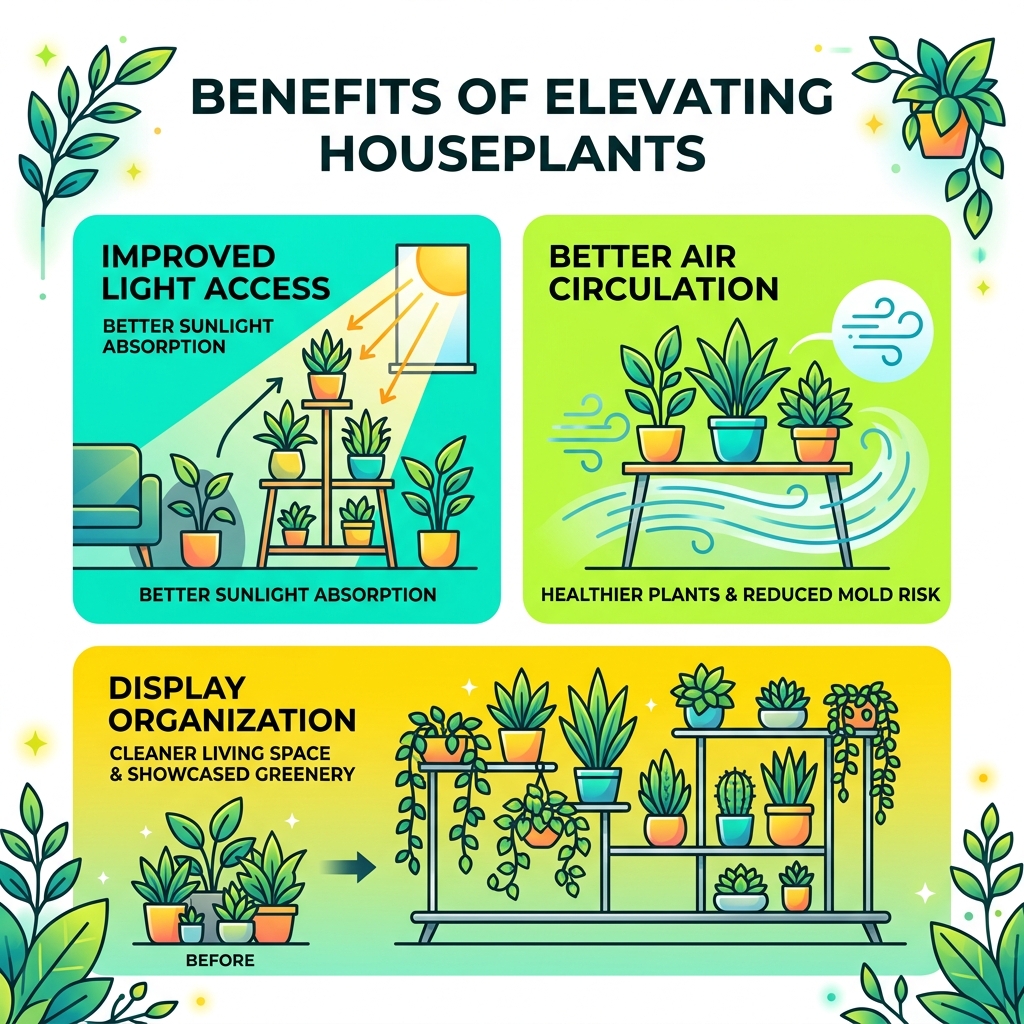
- Why they help your plants: Elevation improves air circulation, light access, and drainage, all of which support healthier growth
- Why they help your home: They turn scattered pots into intentional, styled displays — making greenery a design feature, not an afterthought
- Who they’re for: Anyone with limited floor space, multiple plants, or a desire to make their indoor garden look more put-together
Most plant lovers start with good intentions. They buy a beautiful fern, set it on the floor, and slowly watch it get ignored — partly because it’s out of sight, partly because it blends into the background.
A plant stand changes that. It puts your plants where you can see them, which means you’re more likely to notice when they need water, light, or a little extra care.
And the market reflects real demand. The top-selling plant stands on Amazon carry tens of thousands of ratings — the leading bamboo ladder stand alone has over 18,000 reviews — which tells you this isn’t a niche accessory. It’s a mainstream solution to a very common problem.
Whether you have two plants or twenty, the right stand makes caring for them easier and your space look better.
Choosing the Perfect indoor plant display stand for Your Space
Selecting the right indoor plant display stand isn’t just about picking the prettiest one in the catalog. It requires a bit of “plant-architectural” planning. We often see enthusiasts buy a beautiful stand only to realize it doesn’t fit their largest monstera or blocks the walkway to the balcony.
Space Optimization and Light Access
The primary goal of a stand is often to save floor space. If you are living in a cozy apartment, verticality is your best friend. A corner unit can turn a “dead” corner into a lush focal point without eating up valuable square footage. Beyond aesthetics, height is health. Elevating a plant just two or three feet can drastically increase the amount of natural light it receives, especially if your windows have high sills. For more inspiration on how to arrange these, check out our guide on displaying indoor plants with unique stylish ideas.
Floor Protection and Maintenance
One often overlooked benefit of a dedicated stand is the protection of your flooring. Placing pots directly on hardwood or carpet can lead to moisture traps, mold, and permanent staining. A quality stand keeps the pot elevated, allowing for air to circulate underneath. When combined with indoor plant display ideas, you can create a setup that is as practical as it is beautiful.
Popular Styles and Materials for Every Decor
The materials used in your indoor plant display stand dictate not just how it looks, but how long it will last in a humid, “water-heavy” environment.
| Material | Pros | Cons | Best For |
|---|---|---|---|
| Carbonized Wood | Natural look, resistant to warping, eco-friendly | Can be bulky, requires occasional wiping | Rustic, Boho, or Farmhouse styles |
| Powder-Coated Steel | Extremely durable, high weight capacity, modern | Can feel “cold” or industrial | Heavy pots, minimalist decors |
| Bamboo | Lightweight, sustainable, naturally water-resistant | Less sturdy for very tall/top-heavy plants | Mid-century modern, small spaces |
| Ceramic/MGO | Highly decorative, heavy/stable | Fragile, usually only holds one plant | Statement pieces, entryways |
Natural Wood and Bamboo
Wood brings a warmth to a room that metal simply can’t match. Many modern wooden stands, like the 6-Tier Flower Wood Stand Plant Display Rack Storage Shelf, utilize high-temperature carbonization. This process treats the pine wood to make it more resistant to moisture and warping, which is essential when you’re dealing with drainage and misting.
If you prefer something more portable, a 3-Tier Bamboo Foldable Plant Stand is a fantastic choice. Bamboo is naturally sturdy and has a “burr-free” finish that looks great in bright, airy rooms. Plus, the folding mechanism makes it easy to move if you decide to rearrange your “tranquil oasis.”
Maximizing Vertical Space with a Tiered indoor plant display stand
Tiered designs are the “skyscrapers” of the plant world. By using a ladder-style or cascading shelf system, you can display 6 to 11 plants in the footprint of a single large pot. This is a game-changer for those following our small-space plant styling ideas.
Ladder designs, in particular, ensure that plants on the lower levels aren’t completely shaded by those above. For even more ways to squeeze greenery into tight quarters, see our additional small-space plant styling tips.
Essential Features for Stability and Plant Health
A stand that wobbles is a nightmare waiting to happen. Imagine a 20-pound ceramic pot meeting your hardwood floor at high speed—not exactly the “tranquil” vibe we’re going for at Futuro Ciencia.
Weight Capacity and Stability
Before you buy, check the weight capacity per shelf. Many tiered stands can support between 10 and 33 pounds per layer. For heavy-duty needs, look for powder-coated steel frames. A great example is the OLIVBLAD plant stand, which offers a stable, multi-level platform that works both indoors and on balconies.
Safety First: Anti-Tipping Devices
If you have curious pets or energetic toddlers, safety is paramount. Tall, narrow stands can be top-heavy once loaded with plants. We highly recommend choosing models like the 3 Tier Tall Plant Stand with Drawer, which includes anti-tipping hardware to secure the unit to the wall. This ensures your display remains a source of peace rather than a safety hazard.
Smart Features in a Modern indoor plant display stand
The “smart” revolution hasn’t skipped the garden. Some of the most effective modern stands now come with integrated technology. For example, an Indoor Plant Stand with Grow Lights solves the problem of “low-light corners” once and for all. These units often feature multi-head LED lights with timers and adjustable brightness, allowing you to grow light-hungry succulents in a windowless hallway.
For those who want to perfect the look of their shelves, our guide to indoor plant shelf styling covers everything from balancing colors to choosing the right heights.
Creative Styling and Multi-Purpose Uses
We believe a plant stand should work as hard as any other piece of furniture in your home. It doesn’t have to just hold pots; it can be a multifunctional decor piece.
- The Kitchen Herb Garden: Use a tiered stand in the kitchen. Place fresh basil, mint, and rosemary on the top tiers for easy access while cooking, and use the bottom shelves to store your favorite cookbooks or stylish copper colanders.
- The Bathroom Oasis: Transform your bathroom into a spa. Use a water-resistant bamboo or metal stand to hold humidity-loving ferns and orchids, alongside rolled towels and luxury soaps.
- The Living Room Divider: A tall, wide indoor plant display stand can act as a “living wall” to separate an entryway from a living room. It provides privacy without blocking light.
Whether you’re styling houseplants in the living room or looking for a more holistic living room arrangement, the right stand acts as the anchor for your design.
Frequently Asked Questions about Plant Stands
How do I ensure my plant stand is stable on uneven floors?
Many metal stands come with adjustable screw-in footpads. These allow you to level the stand even if your floor has a slight slope. Additionally, always place your heaviest plants on the bottom tier. This lowers the center of gravity and makes the entire unit significantly more stable.
What are the best materials to prevent rust and water damage?
If you’re a “heavy-handed” waterer, avoid untreated MDF or cheap particle board. Stick to powder-coated iron, stainless steel, or carbonized wood. Bamboo is also excellent due to its natural silica content which resists water. To ensure your pots aren’t leaking onto the stand, check out our advice on selecting indoor plant pots and planters.
How many plants can a typical tiered stand hold?
Most “standard” tiered stands are designed for 6 to 11 plants. However, this depends heavily on the pot diameter. A stand might have 6 shelves, but if you’re using small 4-inch pots, you might fit two per shelf. Conversely, a large 12-inch pot might take up an entire tier. Always measure your best containers for indoor plants before committing to a stand size.
Conclusion
At Futuro Ciencia, our mission is to help you transform your living space into a tranquil oasis. An indoor plant display stand is the foundation of that transformation. It takes your greenery off the floor and puts it at eye level, where it can brighten your mood and purify your air more effectively.
By choosing the right materials, ensuring stability, and getting creative with your styling, you can create a display that is uniquely yours. Don’t forget that a beautiful display is only half the battle—keeping those plants thriving is the other half! We invite you to explore our creative houseplant display ideas and sign up for our customized plant care schedules.
Ready to level up your indoor jungle? Transform your home with expert plant guides at Futuro Ciencia.
