
Is Cat Palm Toxic to Dogs? The Quick Answer
Cat palm toxic to dogs is a common concern — and the good news is straightforward: no, cat palm is not toxic to dogs.
The ASPCA lists Chamaedorea species as non-toxic to both dogs and cats. This makes the cat palm (Chamaedorea cataractarum) one of the safest tropical houseplants you can own as a pet parent.
Here’s a fast summary:
| Question | Answer |
|---|---|
| Is cat palm toxic to dogs? | No — non-toxic per ASPCA |
| Can it cause any symptoms? | Mild stomach upset if eaten in large amounts |
| Is it dangerous like Sago Palm? | No — completely different plant family |
| Safe for cats too? | Yes |
So if your dog just chewed on a cat palm frond, take a breath. You are very unlikely to be dealing with a poisoning emergency.
That said, any plant eaten in large quantities can upset a dog’s stomach. And there’s one important thing every pet owner needs to know: not all plants called “palms” are actually palms — and some lookalikes are extremely dangerous.
The cat palm belongs to the Arecaceae family — true palms, which are generally safe. But plants like the Sago Palm look similar and can be fatal to dogs, with a survival rate of only around 50% even with treatment.
Knowing the difference could save your dog’s life.
Is the Cat Palm Toxic to Dogs?
When we bring greenery into our homes, our first responsibility is the safety of our four-legged family members. If you’ve been searching for cat palm toxic to dogs, you can rest easy. The Cat Palm, scientifically known as Chamaedorea cataractarum, is officially classified as non-toxic.
This plant belongs to the Arecaceae family and the Chamaedorea genus. This is the same genus that includes other popular, pet-friendly favorites like the Parlor Palm and the Kentia Palm. Unlike some other tropical plants that contain insoluble calcium oxalates (which cause intense mouth burning) or complex alkaloids, the Cat Palm contains no known toxins that target a dog’s biological systems.
Is the cat palm toxic to dogs according to veterinary experts?
Veterinary experts and toxicologists consistently rank the Cat Palm as a “safe” houseplant. One of the primary reasons for this safety status is the total absence of cycasin, a deadly toxin found in lookalike plants. Because it lacks these harmful compounds, ingestion usually results in nothing more than a bit of fiber in your dog’s diet.
However, “non-toxic” doesn’t mean “edible.” While the plant won’t poison your dog, the physical structure of the fronds can sometimes cause minor mechanical irritation. The leaves are fibrous and “fluffy,” and if a dog decides to treat the plant like a salad bar, the rough texture might cause slight mouth irritation or a mild stomach upset simply because dogs aren’t designed to process large amounts of raw palm foliage.
Potential symptoms if your cat palm toxic to dogs concerns involve overconsumption
Even though the plant is safe, we always recommend monitoring your pet if they’ve had a snacking session with your greenery. If a dog eats a significant portion of a Cat Palm, they may experience “dietary indiscretion.” This is essentially the canine version of a stomach ache from eating something they shouldn’t have.
Common symptoms of overconsumption include:
- Vomiting: The body’s way of expelling undigested fibrous material.
- Diarrhea: Often a result of the sudden influx of fiber and plant matter.
- Drooling: This can happen if a sharp piece of frond causes a tiny scratch in the mouth.
- Lethargy: Usually temporary as the dog focuses energy on digestion.
- Abdominal Pain: Your dog might act restless or “hunched up” if their stomach is full of leaves.
If these symptoms persist for more than 24 hours, or if your dog seems unusually distressed, it’s always best to contact your veterinarian to rule out a secondary issue or a potential gastrointestinal blockage.
Cat Palm vs. Sago Palm: Identifying the Danger
This is the most critical section for any dog owner. While the Cat Palm is a gentle friend, its lookalike, the Sago Palm (Cycas revoluta), is a deadly foe. Despite the name, the Sago Palm isn’t a true palm at all—it’s a cycad.
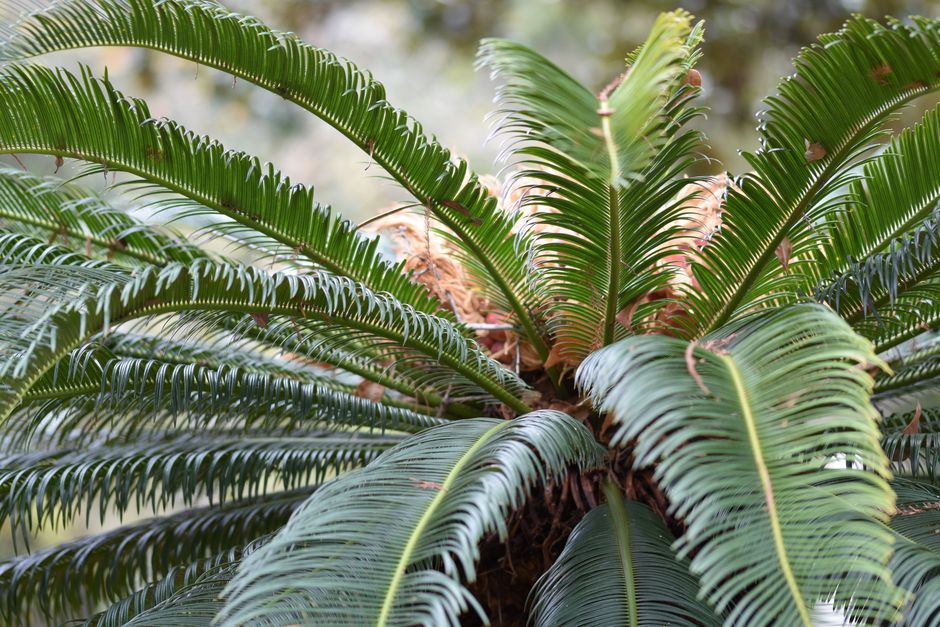
The Sago Palm contains a toxin called cycasin. This compound is incredibly aggressive, targeting the liver and causing systemic failure. Statistics show that the survival rate for pets ingesting Sago Palm is only about 50%, even with aggressive veterinary intervention. The seeds are the most dangerous part, containing the highest concentration of toxins; in fact, seeds make up 50% of ingestion cases.
To keep your home safe, you must be able to tell them apart. Use the table below to identify which plant you have:
| Feature | Cat Palm (Chamaedorea) | Sago Palm (Cycas) |
|---|---|---|
| Toxicity | Non-toxic | Highly Toxic (Fatal) |
| Leaves | Soft, flexible, “feathery” | Stiff, sharp, “plastic-like” |
| Trunk | Clumping stems (no central trunk) | Thick, shaggy, woody trunk |
| Seeds | Small, berry-like (rare indoors) | Large, bright orange/red nuts |
| Growth | Fast-growing, bushy | Very slow-growing |
If you suspect your dog has eaten even a small piece of a Sago Palm, do not wait for symptoms. Seek emergency veterinary care immediately.
Essential Care Guide for Your Cat Palm
Now that we’ve established the Cat Palm is a safe addition to your home, let’s talk about how to keep it thriving. At Futuro Ciencia, we believe a healthy plant is a beautiful plant, and the Cat Palm is particularly rewarding because it doubles as a natural air purifier.
Native to the riverbanks and waterfalls of Southern Mexico, the Cat Palm (also known as the Cascade Palm or Cataract Palm) loves moisture. Here is our expert care routine to keep your palm lush and green:
- Light: These palms prefer bright, indirect light. Think of the filtered sunlight they would get under a tropical canopy. Direct afternoon sun can scorch the delicate fronds, turning them yellow or brown.
- Watering: Unlike many other palms that like to dry out, the Cat Palm prefers consistently moist soil. We recommend watering when the top inch of soil feels dry. Never let the pot sit in standing water, as this can lead to root rot.
- Humidity: This is the secret to a happy Cat Palm. They thrive in humidity levels above 50%. You can achieve this by misting the leaves regularly, using a pebble tray, or placing a humidifier nearby. This also helps prevent brown tips on the leaves, a common issue in dry indoor air.
- Soil and Fertilizer: Use a well-draining potting mix, ideally one with peat moss to help retain moisture. Feed your palm with a balanced, water-soluble fertilizer once a month during the spring and summer growing season.
- Pest Management: Keep an eye out for spider mites and mealybugs. These tiny hitchhikers love the underside of palm fronds. If you spot them, a simple wash with a mild soap-and-water solution usually does the trick.
Keeping Your Dog Safe Around Houseplants
Even with non-toxic plants like the Cat Palm, we generally want to discourage our dogs from using our decor as a snack. Training your dog to respect your indoor oasis ensures both the pet and the plant live in harmony.
Placement Strategies
The easiest way to prevent chewing is to make the plant inaccessible.
- Elevate: Place your Cat Palm on a sturdy plant stand or a high shelf. Since Cat Palms grow in a bushy, clumping habit and don’t get excessively tall (usually 4–6 feet indoors), they fit well on low tables that are just out of a medium-sized dog’s reach.
- Hanging Baskets: While Cat Palms are usually floor plants, smaller specimens can be placed in heavy-duty hanging baskets.
- Physical Barriers: Using decorative indoor fencing or placing the plant in a room that is off-limits to the dog when you aren’t home can save your foliage.
Deterrents and Training
If your dog is a persistent nibbler, consider using a pet-safe bitter spray on the lower fronds. Most dogs find the taste of bitter apple or cherry repulsive and will quickly learn to stay away. Additionally, ensure your dog has plenty of appropriate chew toys and mental stimulation. Often, plant-chewing is a sign of boredom.
Managing a cat palm toxic to dogs scenario with fertilizers or pests
While the plant itself isn’t toxic, the things we put on the plant can be. This is a crucial distinction when discussing cat palm toxic to dogs.
- Fertilizers: Many commercial fertilizers contain nitrogen, phosphorus, and potassium, which can cause stomach upset if a dog licks the soil or eats a leaf recently sprayed with liquid fertilizer. Always use organic, pet-safe fertilizers when possible.
- Pesticides: Systemic insecticides—those that are absorbed by the plant—can make the leaves toxic even if the plant species is safe. If you have a pest outbreak, try rinsing the fronds with plain water or using neem oil, which is a more natural alternative.
- Chemical Residues: If you just bought your plant from a big-box nursery, it may have been treated with leaf shine or industrial pesticides. We recommend gently wiping down the leaves of any new plant with a damp cloth before bringing it into a pet-accessible area.
Frequently Asked Questions about Cat Palms
Why is it called a Cat Palm if it is safe for dogs?
The name “Cat Palm” actually has nothing to do with felines! It is a shortened version of its scientific name, Chamaedorea cataractarum. The “cataractarum” part refers to its native habitat near waterfalls (cataracts) in Mexico. It’s just a linguistic coincidence that it sounds like it was made for cats, though it is perfectly safe for them too!
Are there other pet-safe palm alternatives for dog owners?
Absolutely. If you love the tropical look but want variety, consider these ASPCA-approved non-toxic options:
- Areca Palm: A tall, stately palm that is excellent for filling corners.
- Bamboo Palm: Great for low-light areas and very hardy.
- Majesty Palm: A classic tropical palm that loves high humidity.
- Ponytail Palm: Technically a succulent, but it offers a unique, whimsical look and is completely safe for dogs.
What should I do if my dog eats a large amount of Cat Palm?
First, don’t panic. Check the plant to ensure it is definitely a Cat Palm and not a Sago Palm. Monitor your dog for the next few hours. Offer plenty of fresh water to help move the fiber through their system. If they experience mild vomiting, you can offer a bland diet (like plain boiled chicken and white rice) for a day to soothe their stomach. If you are unsure about the plant’s identity or if your dog seems very ill, contact your vet immediately.
Conclusion
Creating a lush, green home shouldn’t come at the cost of your peace of mind. At Futuro Ciencia, we are dedicated to helping you transform your living space into a tranquil oasis that is as safe as it is beautiful. The Cat Palm is a gold-star choice for dog owners—it purifies the air, increases indoor humidity, and carries no toxic risk to your furry friends.
By following a simple care schedule and keeping an eye on the types of fertilizers you use, you can enjoy the “jungle vibes” of Chamaedorea cataractarum without worry. Ready to start your journey into pet-friendly gardening? Transform your home with our guide to indoor plants for beginners with pets and discover how easy it is to grow a safe, vibrant indoor garden.
