
The Science of Air Purification in Dim Spaces
To understand why air cleaning plants low light varieties are so effective, we have to look back at the late 1980s. NASA, led by senior research scientist Dr. Bill Wolverton, conducted the landmark Clean Air Study to find ways to detoxify the air in sealed space stations. What they discovered changed the way we look at our living rooms: common houseplants are biological engines capable of removing dangerous chemicals from the air.
Indoor air often contains a “chemical soup” of Volatile Organic Compounds (VOCs). These include formaldehyde (found in plywood and detergents), benzene (found in plastics and synthetic fibers), and trichloroethylene (found in cleaners and adhesives). These pollutants contribute to “sick building syndrome,” causing headaches, respiratory issues, and fatigue.
According to research on Sansevieria Trifasciata: A Low-Maintenance, Air-Purifying Plant for Improved Indoor Health, plants don’t just “breathe” in CO2; they absorb these toxins through their leaves. Once inside, the toxins are moved to the root zone, where soil microbes break them down into food for the plant. It is a perfect, closed-loop recycling system.
For those of us living in apartments or homes with north-facing windows, the challenge is finding plants that can perform this miracle without much sun. Fortunately, many indoor-plants-that-thrive-in-low-light have evolved on rainforest floors, meaning they are genetically programmed to be efficient at photosynthesis even in the shadows.
Toxin Removal Efficiency of Popular Low-Light Plants
| Plant Species | Formaldehyde Removal | Benzene Removal | Trichloroethylene Removal |
|---|---|---|---|
| Spider Plant | High | Moderate | Low |
| Snake Plant | High | High | High |
| Peace Lily | High | High | High |
| Boston Fern | Very High | Low | Low |
| English Ivy | Moderate | High | Moderate |
Top Pet-Safe Air Cleaning Plants for Low Light
While many air-purifying champions like the Snake Plant or Peace Lily are toxic to our furry friends, there are several “green heroes” that are 100% non-toxic. If your cat likes to nibble or your dog is a curious explorer, these are the air cleaning plants low light choices for you.
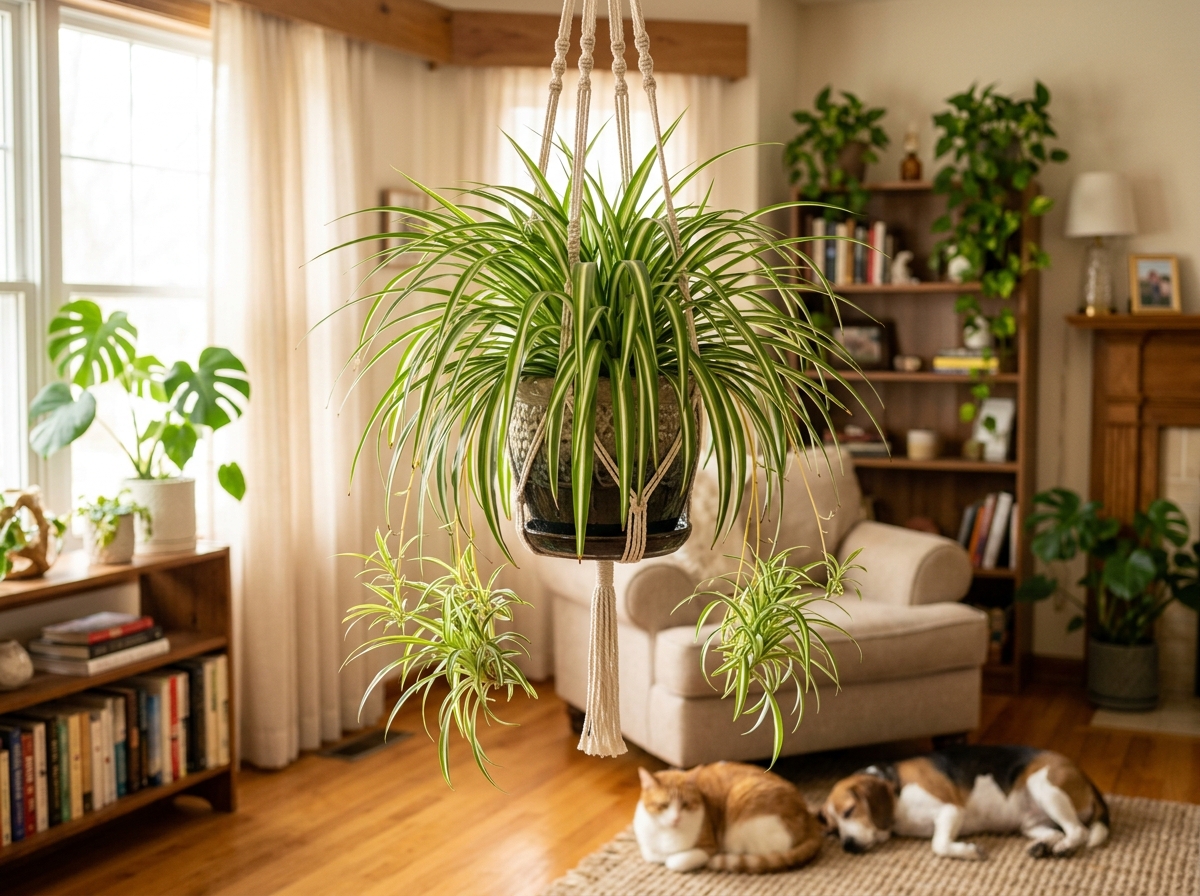
1. Spider Plant (Chlorophytum comosum)
The Spider Plant is arguably the king of the pet-safe category. Not only is it non-toxic to cats and dogs, but it is also incredibly resilient. NASA research highlighted its ability to remove formaldehyde and xylene from the air.
One of the most impressive statistics from the studies is that a single spider plant can effectively filter the air in a 200-square-foot room. They are also famous for producing “spiderettes”—tiny baby plants that hang down like spiders on a web. These are easy to snip off and grow into new plants, meaning you can eventually have a forest of air purifiers for free! Check out this complete list of plants for more details on its filtering power.
2. Boston Fern (Nephrolepis exaltata)
If you have a bathroom or a kitchen with a bit of humidity and low light, the Boston Fern is your best friend. These plants are powerhouses at removing xylene and toluene—chemicals often found in indoor paints and nail polishes.
Beyond air cleaning, Boston Ferns act as natural humidifiers. They release moisture into the air, which can help soothe dry skin and irritable sinuses during the winter months. They are safe for pets, though they do require a bit more “pampering” (regular misting) than the Spider Plant. For more on choosing plants for smaller spaces, see our guide on low-light-indoor-plants-for-apartments.
3. Bamboo Palm (Chamaedorea seifrizii)
The Bamboo Palm is an excellent choice for those who want a bit of height in a dim corner. It excels at filtering out benzene and trichloroethylene. It’s a sturdy plant that prefers indirect light and is completely safe for your pets to be around.
Maintenance and Optimization for Indoor Greenery
Owning air cleaning plants low light varieties doesn’t require a degree in botany, but there are a few “golden rules” we follow at Futuro Ciencia to ensure your plants are actually cleaning the air rather than just struggling to survive.
Maintenance Tips for Air Cleaning Plants in Low Light
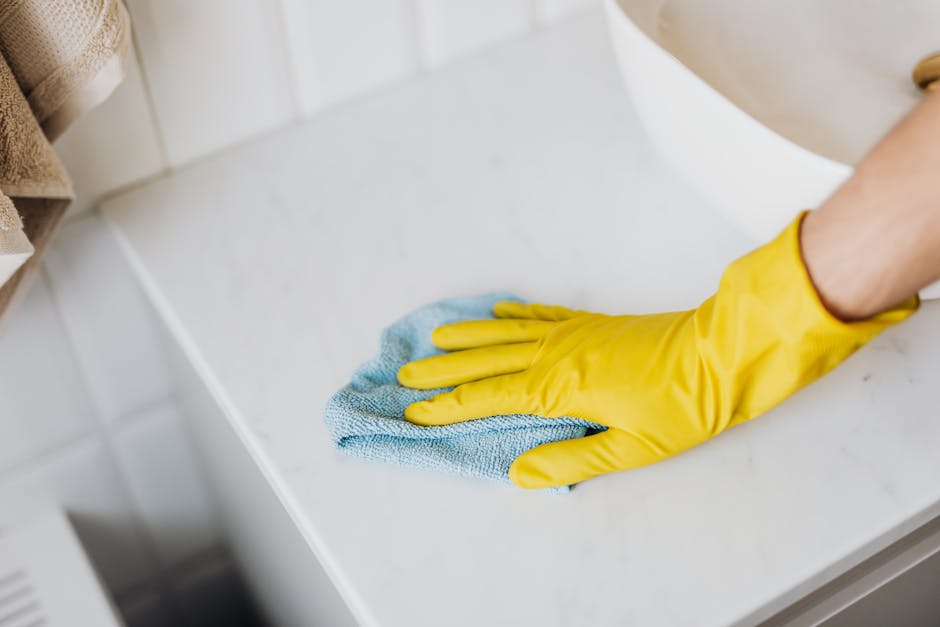
- The Dust Factor: This is the most overlooked part of plant care. If a leaf is covered in dust, it can’t “breathe” or absorb toxins effectively. We recommend wiping leaves with a damp microfiber cloth once a month. This can improve the plant’s photosynthesis efficiency by up to 30%!
- The Knuckle Test: Overwatering is the #1 killer of low-light plants. Because they aren’t in the sun, they drink water much slower. Always stick your finger two inches into the soil; if it feels damp, wait a few more days.
- Temperature Matters: Most air-purifying tropicals prefer a temperature range between 65°F and 80°F. Avoid placing them near cold drafts or heating vents, which can shock the plant and cause leaf drop.
- Soil and Drainage: Use a well-draining potting mix. If your plant’s roots sit in water, they will rot. For more specific advice, read our indoor-plant-care-for-low-light guide.
- Preventative Care: Keep a bottle of organic neem oil or a liquid-copper anti-fungal spray on hand. Low-light environments can sometimes encourage fungus gnats or mold if the soil stays too wet. A quick spray can keep your indoor oasis healthy. We discuss these challenges further in low-light-indoor-plants-for-apartments-2.
Optimizing Your Home for Air Cleaning Plants in Low Light
Just because a plant tolerates low light doesn’t mean it wants to live in a closet! To get the most air-purifying “bang for your buck,” try these optimization tricks:
- Strategic Placement: North-facing windows provide the most consistent low light. If you don’t have windows, don’t despair.
- LED Grow Lights: Modern LED grow lights are game-changers. A small 10W full-spectrum bulb can provide the 50-150 foot-candles of light your plant needs to thrive in a windowless office.
- The Power of Grouping: Grouping plants together creates a “mini-ecosystem.” The plants share humidity through transpiration, making it easier for moisture-loving plants like ferns to stay lush.
- The Quarter-Turn: Every time you water, give your pot a quarter-turn. This prevents the plant from leaning too far toward the light source and ensures even growth on all sides.
Frequently Asked Questions about Indoor Air Quality
How many plants are needed to effectively clean a room?
This is a question we hear constantly. While one plant is better than none, the general rule of thumb derived from NASA’s research is one medium-sized plant (in a 6-to-8-inch pot) for every 100 square feet of living space. If you have high ceilings or a lot of new furniture (which “off-gasses” more), you might want to increase that to two or three plants. The larger the leaf surface area, the more toxins the plant can absorb!
Which low-light plants are best for bedrooms?
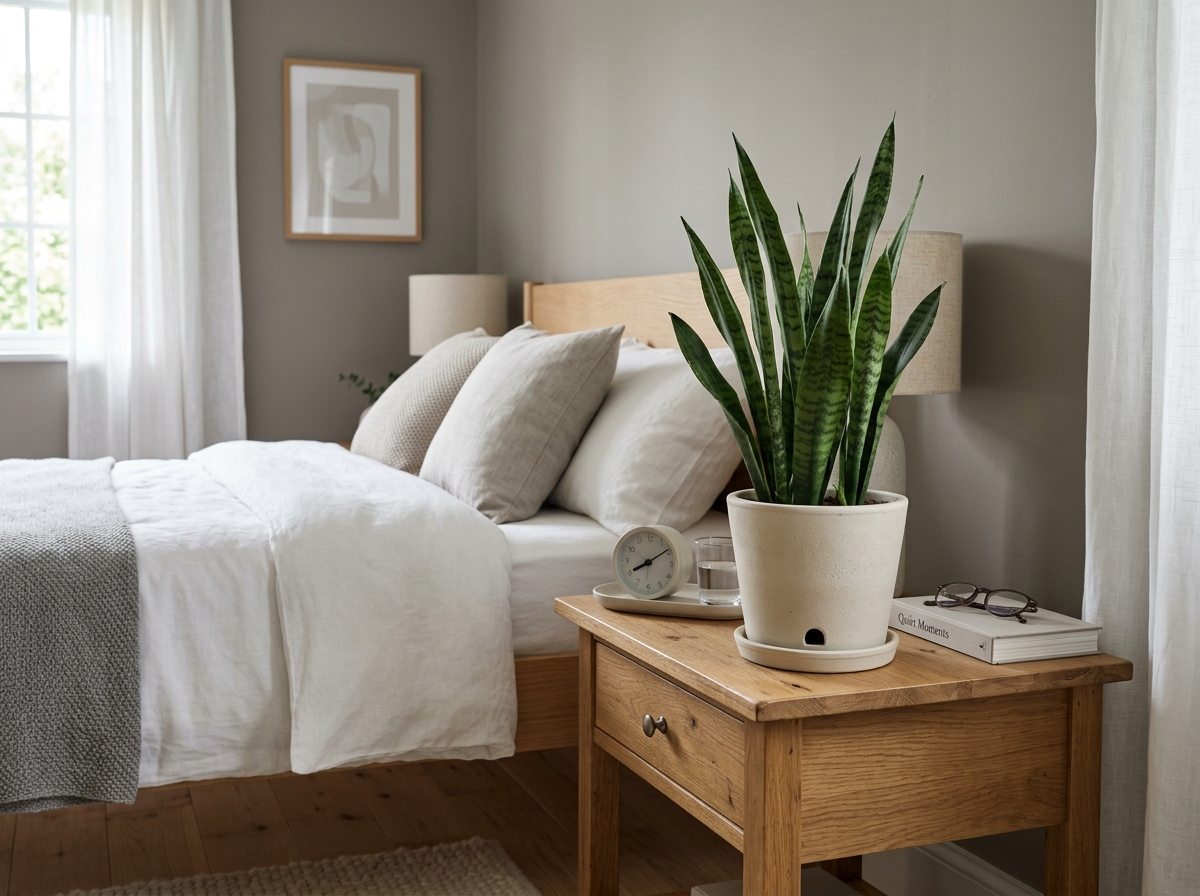
The Snake Plant (recently reclassified as Dracaena trifasciata) is the undisputed bedroom champion. According to the Snake plant – Dracaena trifasciata | Kew profile, this plant uses Crassulacean Acid Metabolism (CAM). Unlike most plants that release CO2 at night, the Snake Plant opens its stomata at night to take in CO2 and release oxygen. This boost in oxygen can lead to improved sleep quality and reduced anxiety. Just keep it on a high shelf if you have pets, as it is toxic if eaten.
Are air cleaning plants more effective than mechanical air purifiers?
It’s not a matter of “better,” but “different.” Mechanical air purifiers with HEPA filters are superior at removing physical particulates like dust, pollen, and pet dander. However, they aren’t always great at capturing gaseous VOCs. Plants, on the other hand, are experts at absorbing chemicals. For the ultimate healthy home, we recommend a combined approach: use an air purifier for dust and a collection of air cleaning plants low light varieties for chemical detoxification.
Conclusion
At Futuro Ciencia, we believe that your home should be a sanctuary. Integrating air cleaning plants low light varieties into your decor is more than an aesthetic choice—it’s a commitment to your health and mental well-being. Studies have shown that simply being around plants can reduce stress levels and improve emotional well-being by 40-50%.
Whether you are looking to filter out the “new carpet smell” or just want to brighten up a dim corner of your apartment, there is a low-light plant ready to do the job. By choosing pet-safe options like the Spider Plant or Boston Fern, you ensure that every member of your household—two-legged or four—can breathe cleaner, fresher air.
Ready to transform your space into a tranquil, purifying oasis? Explore our full range of care guides and schedules at https://www.futurociencia.com/ and start growing your own fresh air today!
