
You Don’t Have to Be a Plant Person to Keep These Alive
Drought tolerant indoor plants are exactly what they sound like — plants that thrive even when you forget to water them.
Here are the top options worth knowing about:
| Plant | How Long Without Water | Light Needs | Pet Safe? |
|---|---|---|---|
| Snake Plant | 2-3 weeks | Low to bright indirect | No |
| ZZ Plant | 3-4 weeks | Low to bright indirect | No |
| Ponytail Palm | 3-4 weeks | Bright indirect | Yes |
| Aloe Vera | 2-3 weeks | Bright indirect | No |
| Haworthia (Zebra Plant) | 2-3 weeks | Bright indirect | Yes |
| Pothos | 1-2 weeks | Low to bright indirect | No |
| Jade Plant | 2-3 weeks | Bright indirect | No |
| Cast Iron Plant | 1-2 weeks | Low light | Yes |
| Spider Plant | 1 week+ | Bright indirect | Yes |
| Sago Palm | 2-3 weeks | Bright indirect | No |
Most houseplants die from too much water, not too little. That’s the dirty secret of indoor gardening.
If you’ve ever watched a plant slowly turn yellow and mushy despite your best efforts, overwatering is almost certainly the culprit. Drought tolerant plants flip that dynamic entirely — neglect is actually part of the care routine.
These plants evolved in dry, harsh environments. They developed clever tricks to survive: storing water in thick leaves, bulbous trunks, and underground rhizomes. The snake plant even keeps its pores closed during the day to lock in moisture.
The result? Plants that fit naturally into a busy life. No daily check-ins. No guilt when a work trip runs long.

What Makes Drought Tolerant Indoor Plants So Resilient?
When we talk about drought tolerant indoor plants, we aren’t just talking about plants that are “tough.” We are talking about biological marvels that have engineered their own survival systems. In our work at Futuro Ciencia, we’ve found that understanding how these plants work makes caring for them much easier.
Succulence and Moisture Retention
The most common adaptation is “succulence.” Plants like Aloe Vera and Jade Plants have thick, fleshy leaves that act like internal reservoirs. Think of them as living water bottles. When the soil is dry, the plant simply sips from its own internal supply.
Underground Reservoirs: Rhizomes
Then there are the “preppers” of the plant world, like the ZZ Plant. According to Zamioculcas zamiifolia – Plant Finder, this plant features thick, potato-like underground stems called rhizomes. These store massive amounts of water, allowing the plant to survive for months in its native Eastern African grasslands without a single drop of rain.
Stomata Control and CAM Photosynthesis
One of the coolest tricks is used by the Snake Plant. As noted by Snake plant – Dracaena trifasciata | Kew, these plants utilize Crassulacean Acid Metabolism (CAM). While most plants open their stomata (pores) during the day to breathe—losing precious water to evaporation in the process—the Snake Plant keeps its pores tightly shut during the heat of the day. It only “breathes” at night when it’s cooler, significantly reducing moisture loss.
Bulbous Trunks
The Ponytail Palm takes a different approach. It features a large, woody, bulbous base (often called an “elephant foot”) that stores water. This allows it to go three to four weeks between waterings in the winter. If you see the trunk start to wrinkle, that’s your plant’s way of telling you its “tank” is finally empty. You can learn more about these survivalists in our guide on low-water-indoor-plants.
Top 10 Drought Tolerant Indoor Plants for Your Home
Choosing the right plant depends on your space and how much you’re likely to “neglect” it. Below is our definitive list of drought tolerant indoor plants that we recommend for any home or office.
1. Snake Plant (Dracaena trifasciata)
The undisputed king of low-maintenance greenery. It can grow up to four feet tall and is famous for being practically indestructible. It handles low light like a champ and only needs water every 2-3 weeks. For more technical specs, check out the TTU Plant Resources sheet.
2. ZZ Plant (Zamioculcas zamiifolia)
If you have a dark corner and a busy schedule, this is your plant. Its waxy, green leaves reflect light, making it look lush even in dim environments. It’s a slow grower but requires almost zero effort.
3. Ponytail Palm (Beaucarnea recurvata)
Technically a succulent, not a palm. It’s perfect for adding a bit of “fun” to a room with its wild, curly leaves. Because it stores water in its trunk, it’s exceptionally drought-tolerant.
4. Aloe Vera
Functional and beautiful. Aloe needs bright, indirect light to thrive. We love it because you can snap off a leaf to treat a minor burn or skin irritation. Just make sure the soil is bone-dry before you water it again.
5. Pothos (Epipremnum aureum)
While not a succulent, the Pothos is incredibly forgiving. It will “wilt” slightly to tell you it’s thirsty, but it bounces back almost immediately after a drink. It’s great for hanging baskets or trailing over bookshelves. See our list of indoor-plants-that-survive-neglect for more vining options.
6. Zebra Haworthia (Haworthiopsis attenuata)
A tiny, architectural wonder. It stays small (less than 12 inches), making it perfect for desks. It features white “bumpy” stripes that look like a zebra’s pattern.
7. Jade Plant (Crassula ovata)
In many cultures, this is known as the “friendship plant” or “money tree.” It can live for decades—some have been known to stay in families for over 60 years! It prefers bright light and very little water.
8. Sago Palm (Cycas revoluta)
A living fossil that has been around since the time of the dinosaurs. It grows very slowly and prefers its soil to dry out completely. Note: This plant is highly toxic to pets, so keep it on a high shelf.
9. Cast Iron Plant (Aspidistra elatior)
The name says it all. This plant was popular in Victorian times because it could survive the dark, smoky, and drafty conditions of 19th-century homes. It’s the ultimate “set it and forget it” plant.
10. Rose of Jericho (Selaginella lepidophylla)
Also known as the “resurrection plant,” this is a desert dweller that can survive for years without water by curling into a brown, dormant ball. When you place it in a bowl of water, it “wakes up” and turns green within hours.
Pet-Safe Drought Tolerant Indoor Plants
We know many of our readers are “pet parents” as well as plant parents. It’s important to note that many popular drought-tolerant options, like the Snake Plant and ZZ Plant, are toxic if chewed on.
If you have curious cats or dogs, we recommend these non-toxic options:
- Zebra Haworthia: Completely safe and looks great on a windowsill. You can read the full botanical profile at Haworthiopsis attenuata | North Carolina Extension.
- Ponytail Palm: Safe for pets, though they might be tempted to swat at the long, dangling leaves!
- Spider Plant: Not only is it drought-tolerant, but it’s also safe for pets and produces “babies” that are easy to share with friends.
For a deeper dive into safe greenery, check out our article on indoor-succulents-that-are-easy-to-care-for.
Signs of Overwatering vs. Underwatering in Drought Tolerant Indoor Plants
The biggest challenge with drought tolerant indoor plants is resisting the urge to “care” for them too much. Here is how to tell if you’re getting it wrong:
Signs of Overwatering (The Danger Zone):
- Yellowing Leaves: If the leaves turn yellow and feel soft or mushy, you’re watering too much.
- Mushy Stems: This is a sign of root rot, which is often fatal.
- Fungus Gnats: These tiny black bugs love damp soil. If you see them, let your plant dry out immediately.
- Recovery Tip: Remove the plant from its pot, cut away any black, slimy roots, and repot in fresh, dry soil.
Signs of Underwatering:
- Wrinkled Leaves: Succulents like Jade or Aloe will look “shriveled” when they are thirsty.
- Soil Shrinkage: If the soil is pulling away from the edges of the pot, it’s bone dry.
- Drooping: Plants like Pothos will sag significantly.
- Recovery Tip: Use the “Soak and Dry” method. Place the pot in a sink with a few inches of water and let it soak up moisture from the bottom for 20 minutes.
We cover more troubleshooting in our guide on indoor-plant-care-for-low-light.
The “No-Schedule” Care Guide: Light, Soil, and Nutrients
If you hate schedules, the “Soak and Dry” method is your best friend. Instead of watering on a specific day of the week, simply stick your finger two inches into the soil. If it’s dry, water it. If it’s damp, walk away.
The Right Soil is Non-Negotiable
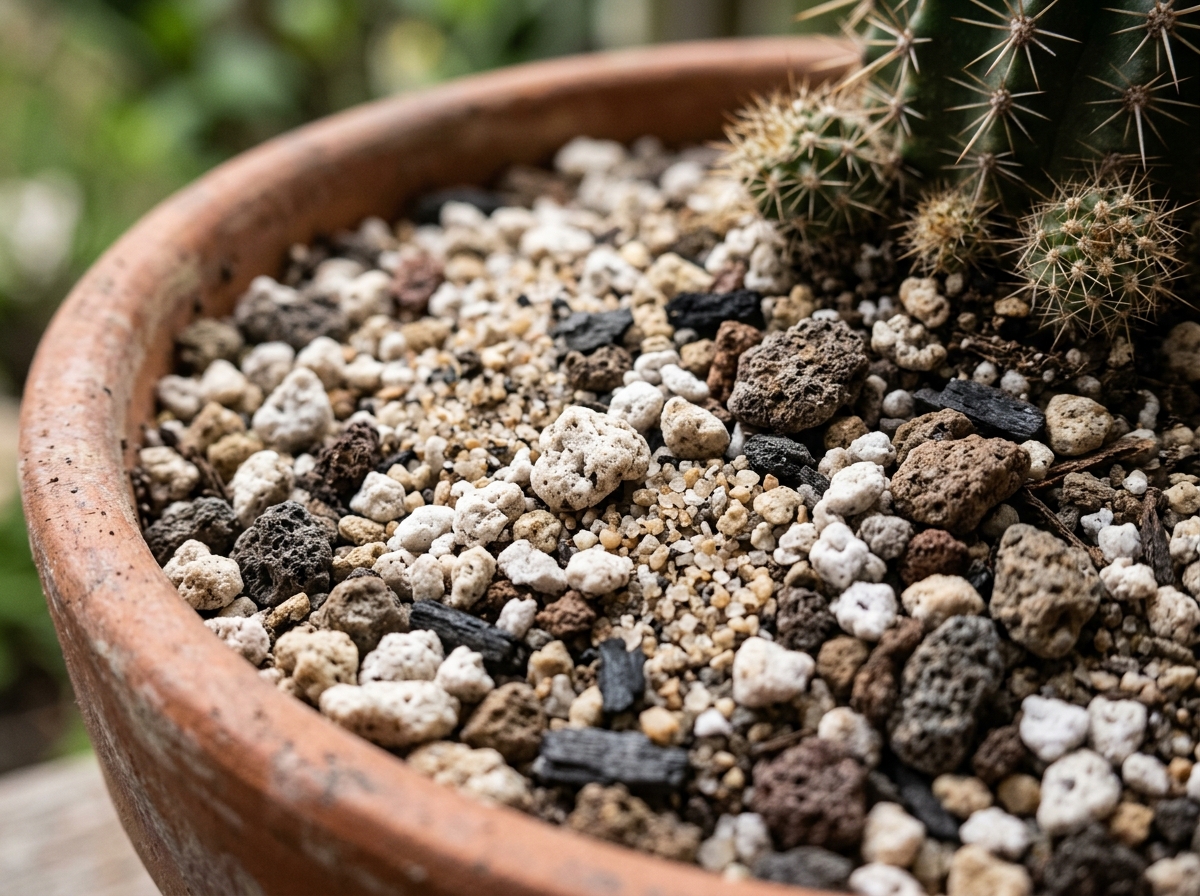
Standard potting soil holds onto water like a sponge, which is the enemy of drought tolerant indoor plants. We recommend a high-quality cactus or succulent mix. A pro tip from our team: mix 4 parts cactus soil with 1 part perlite to ensure maximum drainage. This prevents water from sitting around the roots.
Choose the Right Pot
Terra cotta pots are the gold standard for these plants. Because terra cotta is porous, it allows the soil to “breathe” and helps excess moisture evaporate. Always ensure your pot has drainage holes. Without them, water pools at the bottom, leading to rot.
Light Requirements
Most drought-tolerant plants prefer bright, indirect light (think: near a window but not in the direct path of the sun). However, some are more flexible.
- High Light: Aloe Vera, Jade Plant, Cacti.
- Low Light: Snake Plant, ZZ Plant, Cast Iron Plant.
For more tips on choosing the right spot, see our article on hardy-indoor-plants-for-busy-people.
Seasonal Fertilizing
These plants aren’t “heavy feeders.” You only need to fertilize them once or twice a year, specifically in the spring and summer when they are actively growing. Use a balanced, liquid fertilizer diluted to half-strength. In the winter, let them rest—no food or extra water is needed.
Advanced Tips: Propagation and Long-Term Maintenance
Once you’ve mastered keeping these plants alive, you might want more of them—for free! Propagation is a fun way to expand your indoor garden.
How to Propagate Your Favorites
- Snake Plant: You can cut a leaf into 3-inch sections and place them in water or soil. It takes a few weeks, but eventually, you’ll see tiny roots forming.
- ZZ Plant: These can be propagated by leaf cuttings, though it takes a long time (up to 6 months!). A faster way is “division”—when you repot the plant, simply pull the rhizomes apart and give them their own pots.
- Aloe Vera: Look for “pups” or offsets growing at the base of the parent plant. Once they are a few inches tall, you can gently snip them off and pot them separately.
Long-Term Maintenance
Even low-maintenance plants need a little “spa day” once in a while.
- Cleaning Leaves: Dust can block a plant’s ability to photosynthesize. Every few months, wipe the leaves with a damp cloth.
- Repotting: Most of these plants like to be slightly “root-bound,” so you only need to repot every 2-3 years. If you see roots growing out of the drainage holes, it’s time for a slightly larger home.
- Rotation: Every time you water, give the pot a quarter-turn. This ensures all sides get equal light and prevents the plant from leaning.
For office-specific tips, check out low-maintenance-plants-for-offices.
Frequently Asked Questions about Low-Water Greenery
How long can drought-tolerant plants survive without water?
Most of the plants on our list can easily handle 2 to 4 weeks without a drop of water. Some, like the ZZ Plant or a large Ponytail Palm, can go even longer during the winter when they are dormant. This makes them the perfect companions for frequent travelers. If you’re going on a long vacation, just give them a good soak before you leave and they’ll be fine when you return. See more at indoor-plants-that-need-little-care.
Do these plants really purify the air?
Yes! A famous NASA study found that several drought tolerant indoor plants, specifically the Snake Plant and Pothos, are excellent at filtering indoor air. They can remove common household toxins like formaldehyde, benzene, and xylene. The Snake Plant is particularly unique because it releases oxygen at night, making it an ideal plant for the bedroom. Read more about apartment-friendly air purifiers at low-light-indoor-plants-for-apartments.
What is the best potting mix for desert-style plants?
As we mentioned earlier, drainage is key. Look for a mix labeled for “Cactus, Palm, and Citrus.” If you want to make your own, a blend of potting soil, coarse sand, and perlite works wonders. The goal is to create a gritty texture that allows water to run right through. We go into more detail on soil recipes in low-water-indoor-plants-2.
Conclusion
At Futuro Ciencia, we believe that everyone deserves a tranquil, green oasis, regardless of how busy their schedule is. Drought tolerant indoor plants are the bridge between a hectic lifestyle and the calming benefits of nature. By choosing plants that store their own water and thrive on a bit of neglect, you can enjoy the air-purifying and stress-reducing benefits of greenery without the pressure of a strict watering calendar.
Ready to start your journey into sustainable indoor gardening? Remember: when in doubt, don’t water! Your plants will thank you for it.
For more detailed guides and to help you keep track of your new green friends, check out our indoor-plant-care-schedule. Happy growing!
