
Why Indoor Plants for Living Room Corner Spaces Transform Your Home
Indoor plants for living room corner spaces are one of the easiest ways to make a room feel alive, balanced, and beautifully designed. Here are the best options to get started:
Best indoor plants for living room corners:
| Plant | Light Needed | Difficulty | Pet Safe? |
|---|---|---|---|
| Snake Plant | Low to bright indirect | Very easy | No |
| ZZ Plant | Low to medium | Very easy | No |
| Fiddle Leaf Fig | Bright indirect | Moderate | No |
| Pothos | Low to medium | Very easy | No |
| Bird of Paradise | Bright indirect | Moderate | Yes |
| Aglaonema Maria | Low to medium | Easy | No |
| Peace Lily | Low to medium | Easy | No |
| Rubber Plant | Bright indirect | Easy | No |
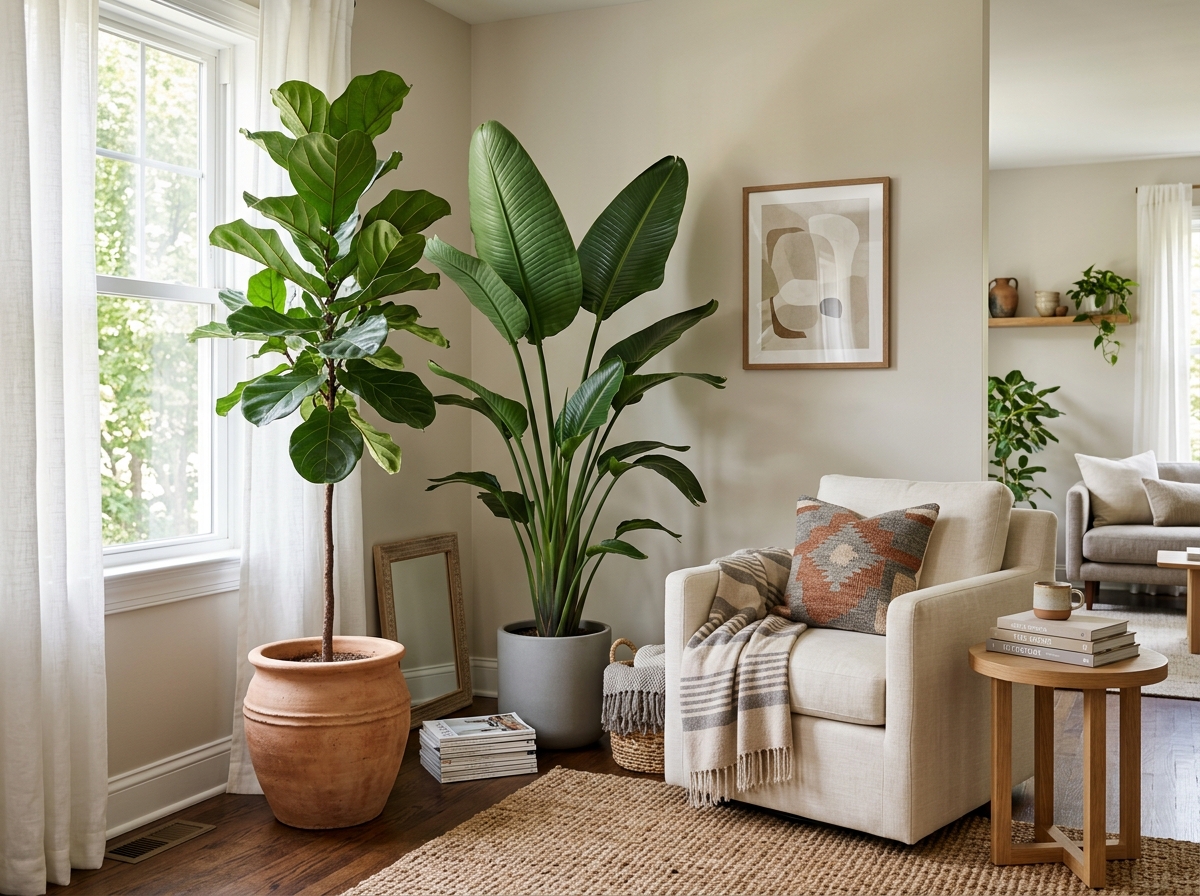
Corners are some of the most underused spots in any living room. Too big to leave empty, too awkward for most furniture — yet perfect for a tall, leafy plant that draws the eye upward and fills the space naturally.
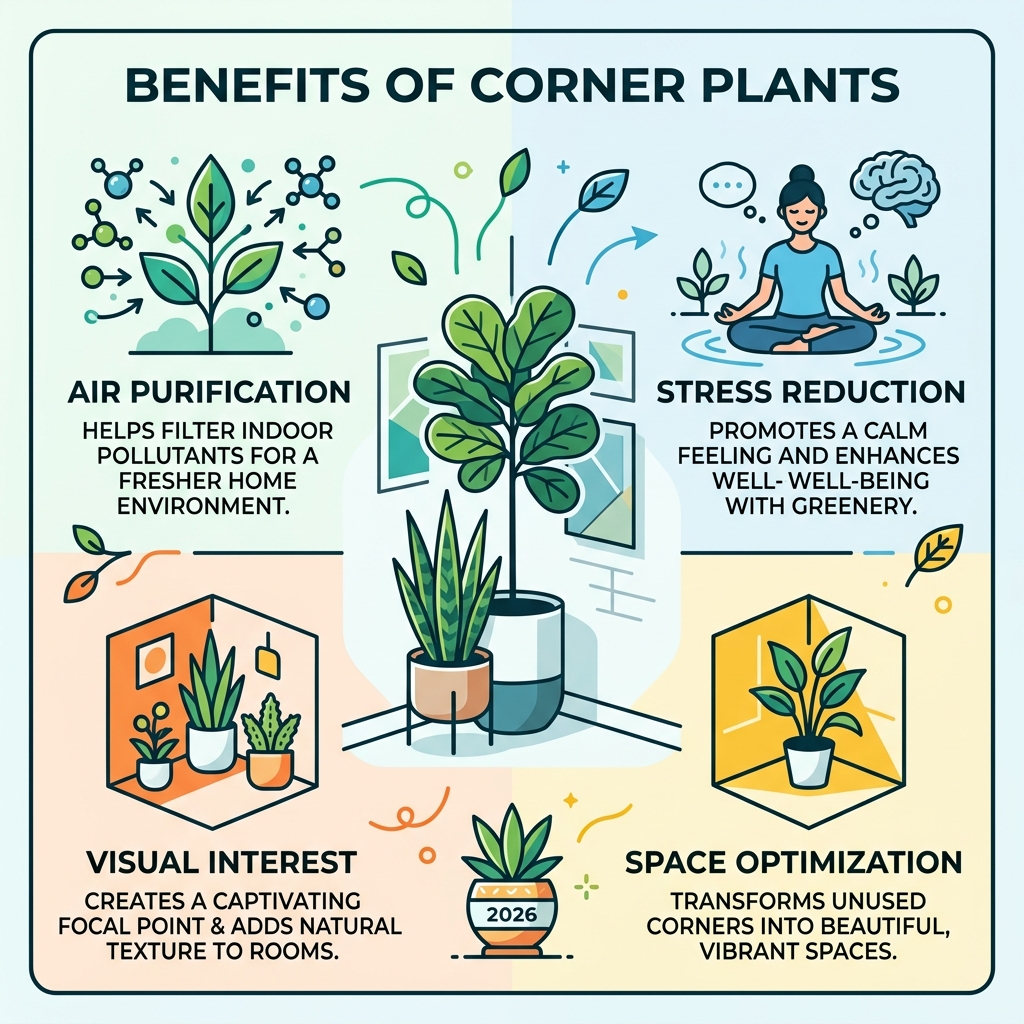
There’s also a practical side to this. Research from NASA’s 1989 Clean Air Study found that common houseplants like Snake Plants and Peace Lilies can remove significant levels of indoor air pollutants like formaldehyde and benzene. And beyond clean air, studies consistently link living with plants to lower stress and better mood.
The challenge most busy homeowners face isn’t wanting plants — it’s picking the right plant for a corner that may get little light, and then keeping it alive without a complicated routine.
That’s exactly what this guide covers.
Choosing the Best Indoor Plants for Living Room Corner Spaces
Selecting the right indoor plants for living room corner placement requires more than just picking a pretty leaf. We have to think like a designer and a botanist at the same time. The first thing we look at is the “envelope” of the space. How tall is the ceiling? How close is the nearest window?
Corners are notorious for being “light traps” or “shadow zones.” A spot that looks bright to our eyes at noon might only provide 50-100 lux of light—levels where many tropical plants would struggle. We also need to consider room dimensions; a massive Monstera might look majestic in a sprawling open-concept living room but could feel like it’s “eating” a small apartment corner.
Vertical interest is the secret weapon of corner styling. By choosing plants that grow upward rather than outward, we utilize underused vertical real estate. This draws the eye toward the ceiling, making the room feel larger and more airy.
NASA Clean Air Study Insights
We often recommend corner plants not just for their looks, but for their hidden “superpowers.” NASA’s 1989 Clean Air Study revealed that popular corner choices like the Peace Lily, Snake Plant, and Dracaena can remove up to 87% of formaldehyde and 52% of benzene from the air within 24 hours in sealed environments. Adding these to your living room isn’t just decorating; it’s installing a natural air filtration system.
| Light Level | Best Plant Options | Growth Habit |
|---|---|---|
| Low Light (50-150 lux) | Snake Plant, ZZ Plant, Aglaonema Maria | Slow, steady, upright |
| Medium Light (150-400 lux) | Rubber Plant, Dracaena, Monstera | Moderate, bushy or vining |
| Bright Indirect (400+ lux) | Fiddle Leaf Fig, Bird of Paradise | Fast, tall, tree-like |
Top Large Indoor Plants for Living Room Corner Drama
If you want to make a statement, you need height. Large plants act as “living furniture,” anchoring the room’s design.
- Fiddle Leaf Fig (Ficus lyrata): The “it” plant of the design world. Its violin-shaped leaves are stunning, but be warned—it can be a bit of a “fickle roommate.” It hates drafts and demands bright, indirect light.
- Bird of Paradise (Strelitzia nicolai): For a tropical, architectural vibe, this is our top pick. It can grow 6 feet or taller indoors, though it needs a surprisingly small pot relative to its massive leaves.
- Dracaena fragrans: Also known as the Corn Plant, this is a fantastic low-maintenance tree. Its slender, upright habit makes it perfect for tight corners where you don’t want a plant spreading too far into the walking path.
- Rubber Plant (Ficus elastica): With its glossy, dark burgundy or green leaves, the Rubber Plant adds a moody, sophisticated touch. It’s hardier than the Fiddle Leaf and handles lower light levels better.
When placing these giants, remember the art of indoor plant placement—it’s about finding that sweet spot where the plant has room to breathe but still feels tucked into the architecture of the room.
Low-Light Indoor Plants for Living Room Corner Nooks
Not every corner is blessed with a south-facing window. For those “cozy caves” in our homes, we need “low-light warriors.”
- Snake Plant (Sansevieria): The ultimate beginner plant. It releases oxygen at night and can survive for weeks without water. It’s perfect for that corner behind the sofa.
- ZZ Plant (Zamioculcas zamiifolia): If you think you can’t grow plants, try a ZZ. Its waxy leaves reflect what little light is available, and it thrives on neglect.
- Philodendron epipremnum: While often grown as a trailer, you can train this “Money Plant” up a moss pole to create a lush, green pillar in a medium-to-low light corner.
- Aglaonema Maria: A true champion of the shadows. It can photosynthesize efficiently at just 100 lux (think office lighting). Its silver-green variegated leaves add a pop of brightness to dark spots.
For more inspiration on turning these tricky spots into features, check out our guide on plant corner decoration the perfect green nook.
Styling and Arrangement Tips for a Green Nook
Styling indoor plants for living room corner areas is where the magic happens. We don’t just want a pot on the floor; we want a curated “vibe.”
The most effective technique we use is layering. This involves grouping plants of different heights and textures together. Instead of one lonely plant, try a “curated cluster.” Place your tallest plant in the very back (the “thriller”), a medium-sized bushy plant in front (the “filler”), and a trailing plant on a small stool or the edge of a pot (the “spiller”).
Using plant stands and stools is a game-changer. They create variety in height and allow light to reach the lower foliage of your taller plants. When selecting planters, match them to your decor:
- Boho: Woven baskets or macramé.
- Minimalist: Terrazzo or matte ceramic.
- Industrial: Concrete or dark metal.
For a deeper dive into these techniques, explore styling houseplants in your living room and our favorite indoor plant display ideas.
Incorporating Texture and Color
To prevent a corner from looking like a flat green wall, we look for plants with unique patterns and shapes.
- Alocasia zebrina: This plant is all about the stems. Its tiger-striped stalks provide an architectural, “living sculpture” feel that is unbeatable in modern interiors.
- Maranta leuconeura: The Prayer Plant is famous for folding its leaves at night. Its intricate, colorful patterns add a soft, textile-like texture to a plant cluster.
Mixing these with “standard” green plants creates depth and keeps the eye moving. This is the essence of modern indoor plant decor—treating plants as integral design elements rather than afterthoughts.
Essential Care and Maintenance for Corner Greenery
Maintenance is where many people get nervous, but we like to keep it simple. Corner plants face unique challenges: they often get less airflow and less light, which means they dry out slower than plants on a windowsill.
Watering and Drainage: The #1 killer of corner plants is overwatering. Because corners are often cooler and darker, the soil stays damp longer. We always recommend the “knuckle test”—stick your finger two inches into the soil. If it’s dry, water. If not, wait. Always ensure your pots have drainage holes, or use a “cachepot” (a decorative outer pot with a plain plastic nursery pot inside).
Humidity and Cleaning: Many corner favorites like the Monstera or Alocasia crave humidity (60% or higher). Grouping plants together creates a natural microclimate that boosts moisture levels. Also, because corner air can be stagnant, dust tends to settle on large leaves. A dusty leaf can’t “breathe” or photosynthesize properly. We recommend wiping leaves with a damp microfiber cloth every two weeks.
Fertilization and Seasonality: Feed your plants during the growing season (spring and summer) with a balanced liquid fertilizer. In the winter, most plants go into a semi-dormant state. Scale back watering and stop fertilizing entirely until the days get longer. For more specific placement advice, see our indoor plant placement tips.
Troubleshooting Common Indoor Plants for Living Room Corner Problems
Even with the best care, issues happen. Here’s how we fix them:
- Yellow Leaves: Usually a sign of overwatering or poor drainage. Check the roots for “rot” (mushy, smelly roots).
- Brown, Crispy Edges: This screams “low humidity” or “tap water sensitivity.” Try using distilled water or a humidifier.
- Pests: Look for tiny webs (spider mites) or white cottony spots (mealybugs). A quick shower in the sink or a spray of neem oil usually does the trick.
- Leaning: Plants naturally grow toward the light. To keep your corner plant straight, give it a quarter-turn every time you water.
Learn more about keeping your greenery healthy in our guide to decorating with indoor plants.
Safety First: Pet-Friendly and Air-Purifying Options
If you have furry friends or little ones, safety is the priority. Many popular indoor plants for living room corner spots contain calcium oxalate crystals, which can cause irritation if chewed.
- Toxic (Keep Out of Reach): Fiddle Leaf Fig, Snake Plant, ZZ Plant, Philodendron, and Peace Lily.
- Pet-Safe Alternatives: Bird of Paradise (Strelitzia is generally considered safe, though some varieties vary—always check the specific species!), Parlor Palms, and Spider Plants.
For households with pets, we recommend using tall plant stands to keep toxic foliage out of reach. This is a great way to combine safety with small space plant styling ideas.
Frequently Asked Questions about Corner Plants
Which plants are best for dark corners?
The “big three” for dark corners are the ZZ Plant, Snake Plant, and Aglaonema (Chinese Evergreen). These plants have adapted to survive in the dappled light of forest floors and can tolerate levels as low as 50-100 lux. For more tips on low-light placement, check out our indoor plant placement tips-2.
How do I stop my corner plant from leaning?
Phototropism is the fancy word for plants reaching for the light. In a corner, the light usually comes from one side. To prevent a “leaning tower of Pothos,” rotate your plant 90 degrees every week. If it’s a tall plant like a Fiddle Leaf Fig, you may need a bamboo stake for extra support until the trunk strengthens.
Can I put a large plant in a small corner?
Absolutely! In fact, a large plant in a small space can create a “maximalist” look that feels very designer. The key is to choose a plant with a narrow “footprint,” like a Dracaena or a Sansevieria. You can also use pruning to keep a plant from spreading too wide while allowing it to grow tall.
Conclusion
At Futuro Ciencia, we believe that every home has the potential to be a tranquil oasis. By choosing the right indoor plants for living room corner spaces, you aren’t just filling an empty gap—you’re bringing in life, cleaning your air, and creating a focal point that grounds your entire living space.
Whether you go for the dramatic height of a Bird of Paradise or the low-light resilience of a Snake Plant, styling is a journey. Start with one plant, watch how it reacts to your home’s light, and grow your collection from there.
Ready to turn that “awkward corner” into your favorite part of the house? Transform your space today with our expert care guides and styling tips. Let’s get growing!
