
Why Easy to Care for Flowering Houseplants Are Worth Every Penny
Easy to care for flowering houseplants are the fastest way to add color, fragrance, and life to your home — without a steep learning curve.
If you’re short on time, here are the top picks most beginners can’t kill:
| Plant | Light Needs | Watering | Bloom Duration |
|---|---|---|---|
| Peace Lily | Low to medium indirect | Weekly | Several weeks |
| Kalanchoe | Bright indirect | Every 1-2 weeks | 4-8 weeks |
| African Violet | Filtered/indirect | Bottom water, weekly | Year-round |
| Anthurium | Bright indirect | When top inch is dry | Year-round |
| Christmas Cactus | Bright indirect | When top inch is dry | Weeks to months |
| Phalaenopsis Orchid | Bright indirect | Every 10-14 days | 2-3 months |
| Bromeliad | Bright indirect | Into central vase | Up to 6 months |
Most of these need nothing more than a bright window and a weekly check-in.
Here’s the thing: a lot of people avoid flowering plants indoors because they assume blooms mean high maintenance. That’s not true. Many of the most stunning indoor bloomers are actually forgiving, slow to complain, and perfectly suited for a busy lifestyle.
Research backs this up too. Studies show that simply interacting with houseplants can measurably lower stress levels — and caring for them regularly has a calming, therapeutic effect. A pop of color from a Peace Lily or Kalanchoe on your windowsill isn’t just pretty. It’s genuinely good for you.
This guide compares the best options so you can pick the right plant for your space, your schedule, and your experience level.
The Science of Indoor Blooms: Health Benefits and Air Purification
Beyond their undeniable aesthetic appeal, easy to care for flowering houseplants serve as silent health partners in our homes. We often think of plants as mere decoration, but they are biological powerhouses. Scientific research (such as studies found in NCBI PMC4419447) has demonstrated that active interaction with indoor greenery can significantly lower psychological and physiological stress. In a world of screens and notifications, the simple act of checking a soil’s moisture or admiring a new bud provides a “soft fascination” that restores our mental energy.
Furthermore, the air-purifying capabilities of these plants are legendary. NASA’s Clean Air Study famously highlighted how certain species act as natural filters. For instance, the Anthurium (Flamingo Flower) is a champion at removing airborne toxins like ammonia, toluene, and xylene. Meanwhile, the Peace Lily is renowned for its ability to neutralize benzene and formaldehyde.
Interestingly, not all plants follow the same oxygen schedule. While most plants release oxygen during the day, some easy to care for flowering houseplants like Gerbera daisies continue to give off oxygen after the sun goes down. This makes them the perfect bedside companions for a refreshing night’s sleep. If you are looking to start your collection, checking out low-maintenance-flowering-indoor-plants is a great first step toward a cleaner, calmer home.
Top 10 Low-Maintenance Indoor Blooming Plants
Selecting the right plant is half the battle. We’ve curated a list of the heavy hitters that provide the most “bloom for your buck” with minimal effort.
1. Peace Lily (Spathiphyllum)
The Peace Lily is the ultimate “communicator.” When it’s thirsty, its leaves droop dramatically, telling you exactly when to grab the watering can. Once watered, it perks back up within hours. It produces elegant white spathes (which we commonly call flowers) and thrives even in rooms with less-than-ideal lighting.
2. Anthurium (Flamingo Flower)
If you want a plant that looks like it belongs in a high-end hotel, this is it. Anthuriums produce waxy, heart-shaped blooms that can last for months. In fact, with proper care, they can bloom year-round. They prefer bright, indirect light and a well-draining soil mix.
3. Christmas Cactus (Schlumbergera)
Unlike desert cacti, these are tropical epiphytes. They are incredibly long-lived—often passed down through generations as “heirloom plants.” They bloom in late fall or winter, providing a much-needed burst of color when the world outside is gray.
4. Phalaenopsis Orchid (Moth Orchid)
Don’t let the “orchid” label scare you. The Moth Orchid is surprisingly resilient. Its blooms can last for 2-3 months at a time. The secret? Don’t overwater. A thorough soak once every 10 days is usually plenty. For more tips on starting your journey, see our guide on easy-indoor-plants-for-beginners.
5. Bromeliads
These plants are related to pineapples and look like something out of a fantasy novel. They have a “tank” or “vase” in the center of their leaves. Instead of watering the soil, you simply keep that central cup filled with water. Their vibrant bracts can stay colorful for up to six months!
6. African Violet
A classic for a reason. These compact plants can bloom nearly year-round if placed in a spot with bright, filtered light. Just remember: they hate getting their fuzzy leaves wet, so always water them from the bottom.
7. Kalanchoe
A flowering succulent that is as tough as nails. It stores water in its thick, fleshy leaves, making it very forgiving if you forget a watering session. Its tiny, star-shaped flowers come in vibrant shades of orange, pink, red, and yellow.
8. Hoya Carnosa (Wax Plant)
Hoyas are beloved for their thick, waxy foliage and umbrella-like clusters of fragrant, star-shaped flowers. They are slow growers but incredibly hardy. They actually prefer to be slightly rootbound, so you won’t need to worry about frequent repotting.
9. Flowering Maple (Abutilon)
This plant gets its name from its maple-like leaves. It produces lovely, bell-shaped flowers in shades of red, yellow, and orange. It’s a bit more “shrub-like” and can be pruned to stay compact on a sunny windowsill.
10. Lipstick Plant (Aeschynanthus)
Named for its tubular red flowers that emerge from dark “tubes” (resembling a tube of lipstick), this trailing plant is perfect for hanging baskets. It loves humidity and bright, indirect light.
Best Easy to Care for Flowering Houseplants for Beginners
When we talk about the absolute “gold standard” for beginners, Kalanchoe usually takes the crown. Native to Madagascar, the Kalanchoe was introduced to the wider world in the early 20th century and has since become a staple of the easy to care for flowering houseplants category. It is a perennial succulent, meaning it lives for years and stores its own hydration.
The African Violet is another top contender. While they have a reputation for being finicky, the modern varieties are quite sturdy. As long as you provide consistent room temperatures (60°F–75°F) and avoid cold water on the leaves, they will reward you with clusters of blooms multiple times a year. If you’re looking for more variety, check out our list of easy-to-grow-indoor-plants to expand your indoor garden.
Pet-Friendly Easy to Care for Flowering Houseplants
For those of us with curious cats or dogs, safety is the number one priority. Unfortunately, some popular plants like the Peace Lily and Anthurium can be toxic if ingested. However, there are plenty of safe, easy to care for flowering houseplants that won’t harm your furry friends:
- African Violets: Completely non-toxic and safe for both cats and dogs.
- Christmas Cactus: A safe choice for households with pets, though ingestion might still cause a mild stomach upset, it is not considered poisonous.
- Gloxinia: These produce large, velvet-like blooms and are entirely pet-safe.
- Orchids (Phalaenopsis): Most common orchids are non-toxic, making them a sophisticated and safe addition to your home.
- Bromeliads: These funky, tropical plants are generally considered safe for pets.
Always double-check the specific variety before bringing it home if you have a “plant-chewer” in the family. You can find more safe options in our guide on indoor-plants-that-need-little-care.
Master the Basics: Lighting and Watering for Easy to Care for Flowering Houseplants
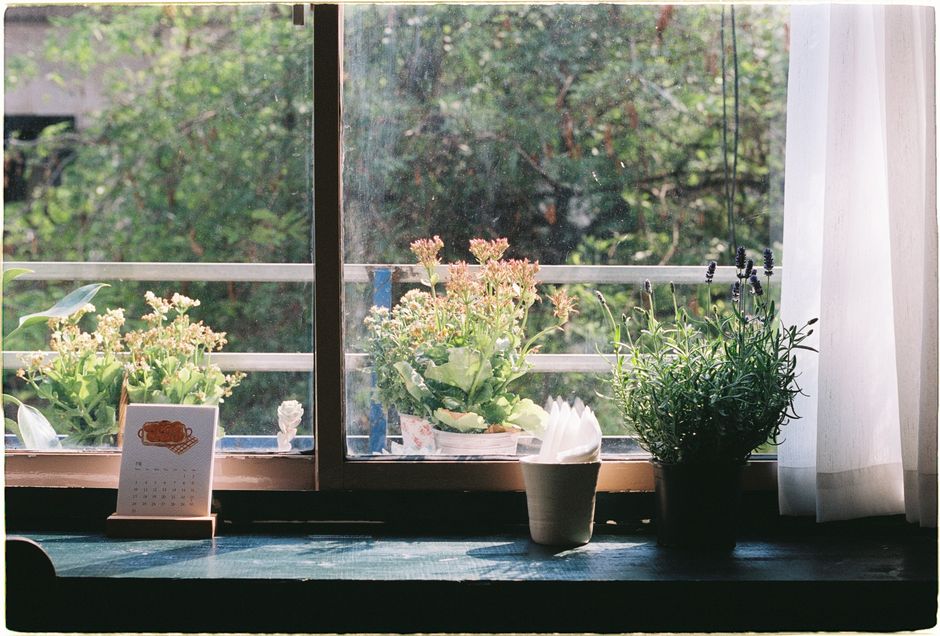
Understanding the “Big Two”—light and water—is the key to keeping your blooms vibrant.
Lighting: The Energy Source
Most easy to care for flowering houseplants are tropical in origin. In the wild, they live under the canopy of larger trees, meaning they love bright, indirect light.
- East-Facing Windows: Perfect for plants that like gentle morning sun (like African Violets).
- West and South-Facing Windows: These provide stronger light. Keep plants a few feet back from the glass or use a sheer curtain to prevent leaf scorch.
- Low Light: While a Peace Lily can survive in lower light, it may stop flowering. If your plant isn’t blooming, it’s usually a sign it needs a bit more “sun-power.”
Watering: The “Top-Inch” Rule
The number one killer of houseplants isn’t neglect—it’s overwatering. Too much water leads to root rot, which is often fatal.
- The Finger Test: Before watering, stick your finger an inch into the soil. If it feels dry, it’s time to water. If it’s still damp, wait a few days.
- Drainage is Non-Negotiable: Ensure your pots have drainage holes. Using clay pots (terracotta) can help, as the porous material allows the soil to breathe and dry out more evenly.
- Well-Draining Mix: Avoid heavy garden soil. Use a high-quality indoor potting mix, often supplemented with perlite or orchid bark, to ensure water doesn’t sit stagnant around the roots. For more foundational advice, read our indoor-plant-care-tips-for-beginners.
Pro Tips to Encourage Reblooming and Prevent Common Mistakes
The most common question we get is: “My plant flowered once when I bought it, but how do I get it to do it again?”
1. Respect the Dormancy Cycle
Many plants need a “rest” period to gather energy for new flowers. For example, the Christmas Cactus and Kalanchoe are “short-day” plants. They need periods of long nights (14-16 hours of darkness) for about six weeks in the fall to trigger bud formation. You can achieve this by placing them in a closet or a room that isn’t used at night.
2. The Right Fuel
To encourage flowers, use a potassium-rich fertilizer. While nitrogen helps leaves grow green and lush, potassium (the “K” in N-P-K) is what fuels the blooming process. Feed your plants monthly during the spring and summer, but stop during the winter when growth slows down.
3. Deadheading
This is just a fancy word for “snipping off dead flowers.” When a bloom fades, cut it back to the main stem. This prevents the plant from wasting energy on seed production and encourages it to put that effort into new blossoms.
4. Humidity and Temperature
Most flowering plants prefer temperatures between 60°F and 80°F. If your home is dry (especially in winter), use a humidity tray (a tray filled with pebbles and water) underneath your pots. As the water evaporates, it creates a humid microclimate for the plant. For those with a hectic schedule, our guide for hardy-indoor-plants-for-busy-people offers more low-effort hacks.
Propagation and Pest Management for Long-Term Success
Once you master the care of one plant, you’ll likely want more. The good news? Many easy to care for flowering houseplants are simple to propagate.
Propagation
- Succulent Cuttings: For Kalanchoe, simply snip a 3-inch stem, let the cut end “callous” (dry out) for a few days, and then stick it in succulent soil.
- Leaf Plantlets: Some plants, like the “Mother of Thousands” (a Kalanchoe relative), actually grow tiny baby plants right on the edges of their leaves. You just pick them off and drop them on soil!
- Water Propagation: Plants like the Lipstick Plant can often be rooted simply by placing a stem cutting in a jar of clean water until roots appear.
Pest Management
Even the best plant parents deal with pests occasionally. The trick is early detection.
- Mealybugs: These look like tiny bits of white cotton. You can remove them with a cotton swab dipped in rubbing alcohol.
- Scale: These look like small, hard bumps on the stems. Scrape them off gently or use neem oil.
- Prevention: The best defense is a good offense. Ensure good air circulation and don’t let your plants sit in soggy soil, which attracts fungus gnats. If you tend to be a bit forgetful, you might prefer indoor-plants-that-survive-neglect.
Frequently Asked Questions about Flowering Houseplants
Which flowering houseplants thrive in low light?
While most flowering plants prefer bright light, the Peace Lily and Anthurium are your best bets for dimmer corners. They will still produce their signature “flowers” (spathes) in moderate light, though the blooms may be less frequent than if they were in a brighter spot. Always aim for “filtered” light rather than total darkness.
How often should I fertilize my indoor blooming plants?
During the active growing season (spring through early autumn), a monthly feeding is ideal. Use a balanced, water-soluble fertilizer at half-strength to avoid “burning” the roots. In the winter, most plants go into a semi-dormancy, so you should stop fertilizing entirely until you see new growth in the spring.
Why are my plant’s flower buds falling off before opening?
This frustrating phenomenon is called “bud blast.” It is usually caused by a sudden shock to the plant’s system. Common culprits include:
- Temperature Drafts: Being too close to an A/C vent or a drafty winter window.
- Extreme Over/Underwatering: Rapid changes in soil moisture.
- Low Humidity: The air is too dry for the delicate buds to develop.
- Ethylene Gas: Believe it or not, ripening fruit (like apples) in your kitchen releases gas that can cause flower buds to drop!
Conclusion
At Futuro Ciencia, we believe that everyone deserves to live in a space that feels like a tranquil oasis. Transforming your home into a purifying, brightening sanctuary doesn’t have to be a full-time job. By choosing easy to care for flowering houseplants, you get all the benefits of nature—reduced stress, cleaner air, and vibrant beauty—with just a fraction of the effort.
Whether you start with a resilient Kalanchoe or a sophisticated Moth Orchid, the joy of seeing that first bloom open is a reward like no other. Ready to grow your indoor garden? Start your journey with our low-maintenance plant guides and discover how easy it is to bring your home to life.
