
The Best Fertilizer and Soil for Lucky Bamboo Success
What Is the Best Soil for Lucky Bamboo?
The best soil for lucky bamboo is a light, well-draining mix that stays slightly moist without getting soggy. Here’s what works best:
- Base: 2 parts peat moss or coco coir
- Drainage: 1 part perlite
- Nutrients: 1 part well-aged compost
- pH target: 6.0–6.5 (slightly acidic)
- Avoid: Dense garden soil, heavy clay, or any mix that holds standing water
Quick answer: A mix of peat moss, perlite, and compost in a 2:1:1 ratio gives lucky bamboo the drainage, aeration, and nutrients it needs to thrive indoors.
Lucky bamboo (Dracaena sanderiana) is one of the most popular houseplants in the world. You’ve probably seen it on desks, in entryways, or as a gift tied with a red ribbon. It’s famous for growing in just a vase of water — but that doesn’t mean water is best.
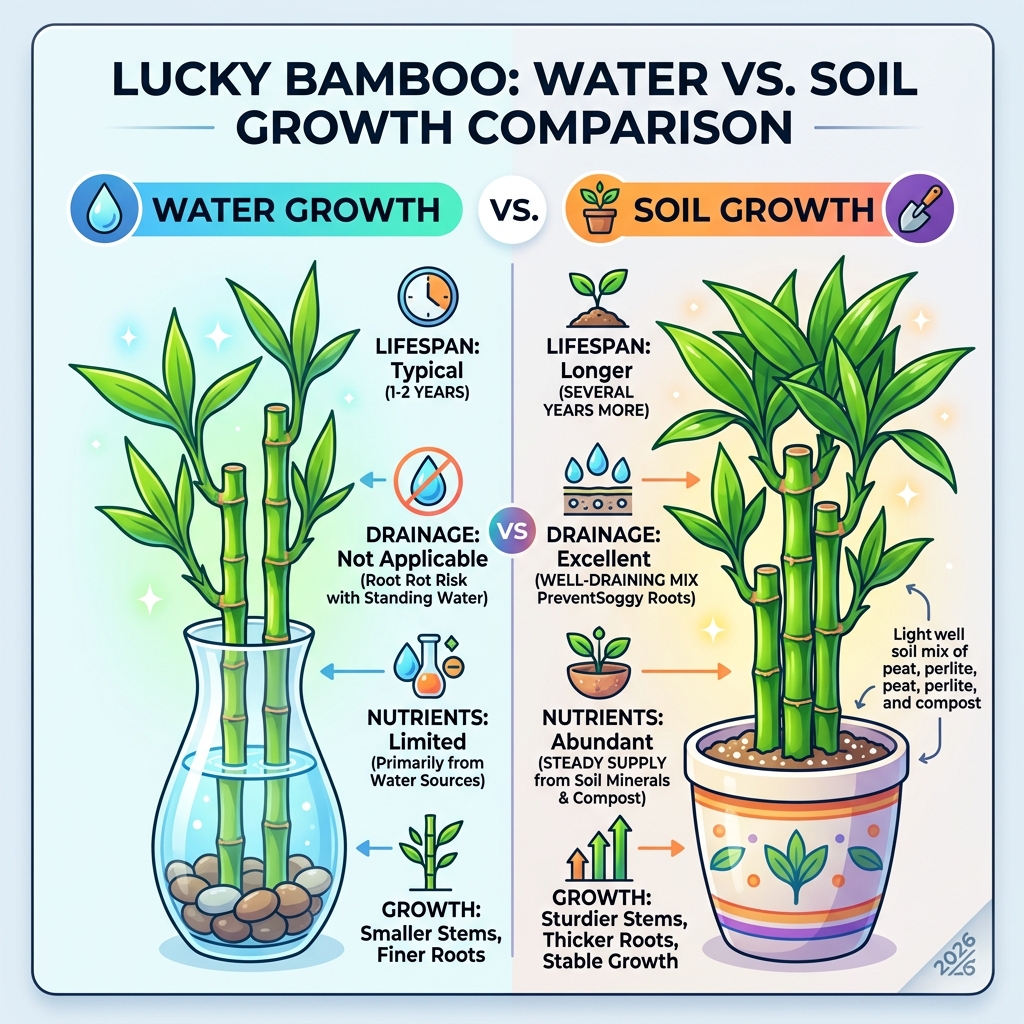
Grown in the right soil, lucky bamboo can live several years longer than in water, which typically supports the plant for only one to two years. It also develops stronger roots, thicker stems, and more stable growth.
The catch? Soil choice matters a lot. The wrong mix — too dense, too alkaline, or too soggy — can cause yellow leaves, root rot, and a very unhappy plant.
This guide covers everything you need to know to get the soil right from the start.
Why Grow Lucky Bamboo in Soil?
While it is almost a rite of passage to keep lucky bamboo in a glass vase with pebbles and water, we often find that transitioning these plants to soil is the secret to true longevity. Lucky bamboo is not actually bamboo at all; it is a member of the Dracaena family, specifically Dracaena sanderiana. In its native habitat in the tropical rainforests of Africa, it grows in the ground, not in ponds or vases.
Growing in soil provides a much more stable environment. Water-grown plants are susceptible to rapid temperature fluctuations and lack the complex mineral profile found in earth. Soil acts as an insulator for the roots and provides a steady “buffet” of nutrients that water simply cannot match.
| Feature | Water Cultivation | Soil Cultivation |
|---|---|---|
| Lifespan | 1–2 years typically | Several years to a decade |
| Nutrient Access | Low (depends on additives) | High (natural minerals/compost) |
| Stability | Low (can be top-heavy) | High (roots anchor the plant) |
| Maintenance | Weekly water changes | Weekly/Bi-weekly watering |
| Growth Rate | Slow and steady | Faster, more robust growth |
Long-term Health and Growth Rates
If you want a plant that makes a statement, soil is the way to go. Statistics show that lucky bamboo can grow more than a foot in just six months when provided with the best soil for lucky bamboo and proper light. In water, the plant often survives but rarely “thrives” to its full potential.
In a soil medium, the root system becomes much more expansive. You might notice that healthy lucky bamboo roots are naturally a vibrant orange or red color—don’t panic! This is a sign of a strong, healthy plant. These robust roots allow the plant to support taller stalks, often reaching between 3 to 5 feet indoors, whereas water-grown stalks often remain stunted or thin.
Choosing the Best Soil for Lucky Bamboo
Selecting the right medium is about mimicking that tropical forest floor: loose, airy, and rich in organic matter. We want a soil that breathes. If the soil is too dense, the roots will suffocate; if it’s too loose (like pure sand), it won’t hold enough moisture to keep the plant hydrated. Achieving Growing Indoor Plants with Success starts with a pH balance between 6.0 and 6.5. This slightly acidic environment is the “sweet spot” for nutrient absorption.
Essential Components of the Best Soil for Lucky Bamboo
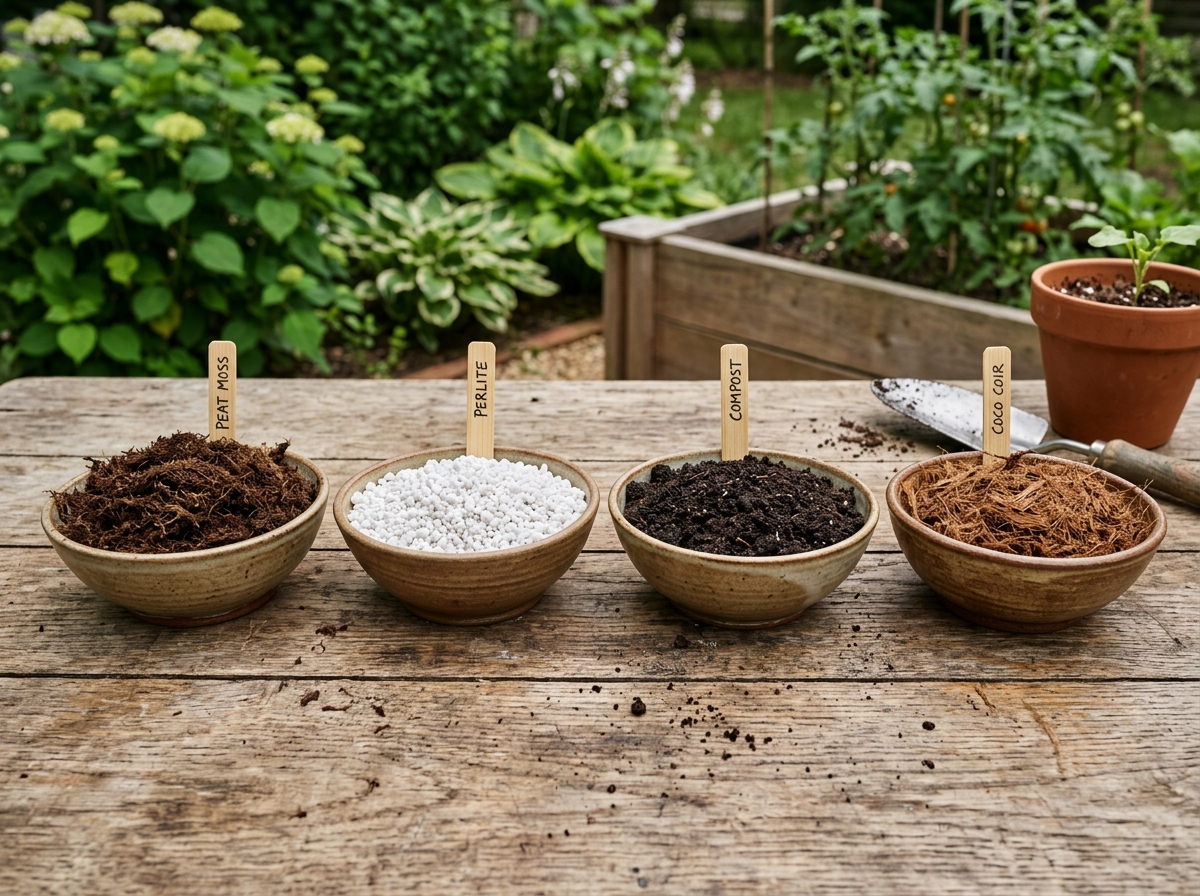
To build the perfect home for your Dracaena, you need a combination of ingredients that balance drainage and moisture retention. Here are the heavy hitters:
- Peat Moss or Coco Coir: These form the base of the mix. They are excellent at holding onto moisture without becoming “muddy.” Coco coir is often preferred by eco-conscious gardeners as a sustainable alternative to peat.
- Perlite: These white, volcanic glass “pebbles” are essential for aeration. They create tiny air pockets in the soil, ensuring the roots get the oxygen they need to perform metabolic functions.
- Pine Bark Fines: These help lower the pH to that ideal acidic range and add structure to the mix, preventing it from compacting over time.
- Well-Aged Compost: This provides a slow-release source of nitrogen, phosphorus, and potassium.
For a deeper dive into how different mediums affect different species, check out our More info about indoor plant soil guide.
DIY Recipe for Lucky Bamboo Success
If you’re feeling adventurous, we recommend mixing your own batch. It’s often cheaper and higher quality than “all-purpose” bag soils that might be too heavy for a Dracaena.
The Futuro Ciencia Signature Mix:
- 2 Parts Peat Moss or Coco Coir (for moisture)
- 1 Part Perlite or Pumice (for drainage)
- 1 Part Well-Aged Compost (for food)
- A handful of coarse sand (for weight and stability)
Mix these thoroughly in a bucket until the texture is loamy and light. When you squeeze a handful of moist mix, it should hold its shape for a second but crumble easily when poked.
Potting and Transitioning from Water to Soil
Moving a lucky bamboo from a water vase to a pot of soil can be a bit like moving from a pool to a garden—it’s a big change! The biggest risk is “transition shock.” Because the roots have grown accustomed to being submerged, they are very fragile and lack the “hairs” that soil roots use to suck up moisture.
Step-by-Step: Planting in the Best Soil for Lucky Bamboo
- Root Inspection: Carefully remove the stalks from the water. Rinse the roots to remove any slime or algae. If you see any black or mushy roots, trim them off with sterilized scissors.
- Choose the Right Pot: Select a container with ample drainage holes. We suggest a pot that is about 2–4 cm wider than the root ball. A pot that is too large will hold too much water, leading to rot.
- Sterilize: If you are reusing an old pot, clean it with a 10% bleach solution to kill any lingering pathogens.
- The Drainage Layer: While not strictly necessary if your soil is good, a thin layer of gravel at the bottom of the pot can help ensure water doesn’t pool at the base.
- Planting: Hold the stalks in the center of the pot and fill in around them with your best soil for lucky bamboo mix. Bury the roots and about an inch or two of the lower stem for stability.
- The First Soak: Water the plant thoroughly with distilled or filtered water until it runs out the bottom. This settles the soil around the roots.
- The “Wet Week”: For the first 7–10 days, keep the soil slightly wetter than usual to help the “water roots” adjust to their new home.
Maintenance: Watering and Fertilizing in Soil
Once your lucky bamboo is settled in its new loamy home, the rules of engagement change. You no longer need to change the water weekly, but you do need to monitor soil moisture.
Lucky bamboo is notoriously sensitive to chemicals. Tap water often contains chlorine and fluoride, which can cause the leaves to develop brown, crispy tips. We recommend using distilled water or rainwater. If you must use tap water, let it sit in an open container for 24 hours to allow the chlorine to evaporate.
Watering Rule of Thumb: Stick your finger into the soil. If the top inch (about 2–3 cm) feels dry, it’s time to water. Depending on your home’s humidity, this usually happens every 7 to 10 days.
Feeding Your Lucky Bamboo
In soil, your plant has access to more nutrients, so you don’t need to fertilize as often as you might think. Over-fertilizing is a common mistake that leads to “nutrient burn,” characterized by yellowing stalks.
We recommend a balanced liquid fertilizer with a 1-1-1 NPK ratio.
- Frequency: Once a month during the growing season (Spring and Summer).
- Dosage: Use a very weak solution—usually just a single drop of liquid fertilizer diluted in a quart of water is enough.
- Dormancy: Stop fertilizing in the winter when the plant’s growth slows down.
To avoid salt buildup in the soil, you can read more about the risks of Over-Fertilization of Potted Plants to keep your greenery safe.
Troubleshooting Common Soil Issues
Even with the best soil for lucky bamboo, problems can arise. The plant is a great communicator; you just have to know how to read the signs.
- Yellow Leaves: This is often the plant’s way of saying “too much.” It could be too much direct sunlight, too much fertilizer, or—most commonly—too much water. If the soil feels like a swamp, your drainage is likely failing.
- Mushy Stalks: This is a sign of advanced root rot or a fungal infection like Fusarium solani. If a stalk feels soft, remove it immediately to prevent the rot from spreading to healthy canes.
- Alkalinity: If your soil pH creeps too high, the plant won’t be able to “eat.” You can lower the pH by adding a bit of peat moss or pine bark fines to the top layer of soil.
Signs of Poor Soil Conditions
If you notice the soil is pulling away from the edges of the pot or water is sitting on top of the soil for a long time without draining, you have compaction. This happens when the organic matter breaks down and the air pockets disappear.
Another issue is salt buildup. If you see a white, crusty film on the soil surface or the rim of the pot, these are mineral salts from tap water or fertilizer. To fix this, “leach” the soil by running distilled water through the pot for several minutes to wash the salts away.
Frequently Asked Questions about Lucky Bamboo Soil
Can I move my lucky bamboo from soil back to water?
While possible, it is much harder than the initial move to soil. The plant will have developed “soil roots” which may rot if suddenly submerged in water. If you must move it back, do so very carefully and change the water every few days to keep oxygen levels high.
How often should I repot lucky bamboo grown in soil?
Lucky bamboo doesn’t mind being a little bit “root-bound,” so you only need to repot every 2 to 3 years. Signs that it’s time for a bigger home include roots growing out of the drainage holes or the plant becoming so top-heavy that the pot tips over. Always move up only one pot size (about 2 inches wider).
Is lucky bamboo toxic to household pets?
Yes. Despite its name, lucky bamboo is a Dracaena, and Dragon trees are toxic to pets. If ingested by cats or dogs, it can cause vomiting, drooling, and dilated pupils. Always keep your bamboo on a high shelf or in a room where pets aren’t allowed.
Conclusion
At Futuro Ciencia, we believe that your home should be a tranquil oasis, and there is no plant quite like the lucky bamboo to bring that sense of peace and prosperity into a room. By choosing the best soil for lucky bamboo—a mix that prioritizes drainage, acidity, and aeration—you are giving your plant the best possible chance at a long, vibrant life.
Whether you are just starting your plant journey or looking to save a yellowing bamboo from its water vase, transitioning to a high-quality soil medium is a game-changer. For more tips on transforming your space with greenery, explore our More indoor plant care guides and let us help you grow your indoor jungle with confidence!
